Throughout history, the Druze in Lebanon have been affected by numerous political and social changes. During the Ottoman period, there were conflicts and tensions between the Druze and the Ottoman authorities. Despite this, the Druze succeeded in preserving their identity and their lands in Mount Lebanon.
During the period of the French occupation of Lebanon (1920-1943), the relationship between the Druze and the occupying authorities witnessed some challenges and tensions. Initially, the French authorities dealt with the Druze with caution, due to the complex sectarian and political factors in Lebanon.
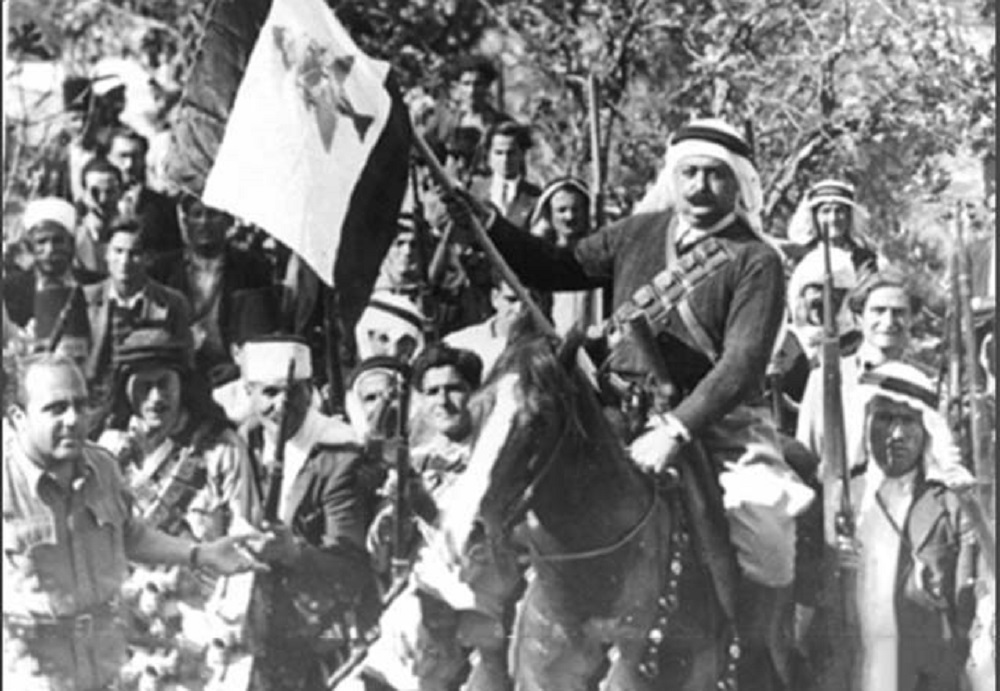
Attached image in light of the French Mandate in Mount Lebanon
In the modern period, Lebanese societies were affected by political conflicts and internal wars. The Lebanese Civil War (1975-1990) witnessed tensions between the Druze and other groups. Although the Druze were not among the main parties to the conflict, they were affected by the repercussions of the war and suffered from divisions and displacement.
After the end of the civil war, political forces in Lebanon were unified and the country was rebuilt. Power was distributed according to the sectarian system, where different sects are represented in the government and official institutions. Consequently, the Druze hold a specific seat in Parliament and occupy positions in the government.
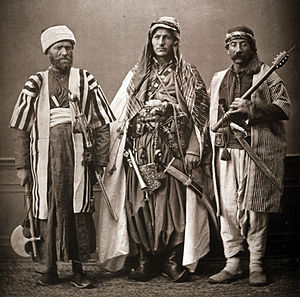
Attached image Christian men alongside a Druze man from Mount Lebanon in 1873.
; The Druze have made significant contributions in several fields in Lebanon, and they have played a prominent role in political, social, economic, and cultural life. Here are some notable contributions:
1. Political Life: The Druze participated in Lebanese political life and the formation of governments. Druze figures have been appointed to important ministerial positions, such as Minister of Defense, Minister of Interior, Minister of Justice, and others. They also founded their own political movements, such as the "Progressive Socialist Party" led by Kamal Jumblatt, which played a prominent role in the Lebanese political arena.
2. Cultural Life: The Druze contributed to cultural life by establishing important educational and cultural institutions. They created schools and educational institutes to teach the Druze and other students. They also founded universities and research centers, such as the University of Rawche. The Druze were also distinguished by their literary, poetic, and artistic contributions, having accomplished important works in these fields.
3. Social Work: The Druze were interested in establishing social associations and institutions to provide assistance and support to the poor and needy. They provided health, social, and educational services to the community and worked to provide job opportunities and develop economic projects.
4. Defending the Druze Identity: Druze leaders sought to preserve the cultural and religious identity of the Druze in Lebanon. They defended the rights of the Druze and their political representation.