
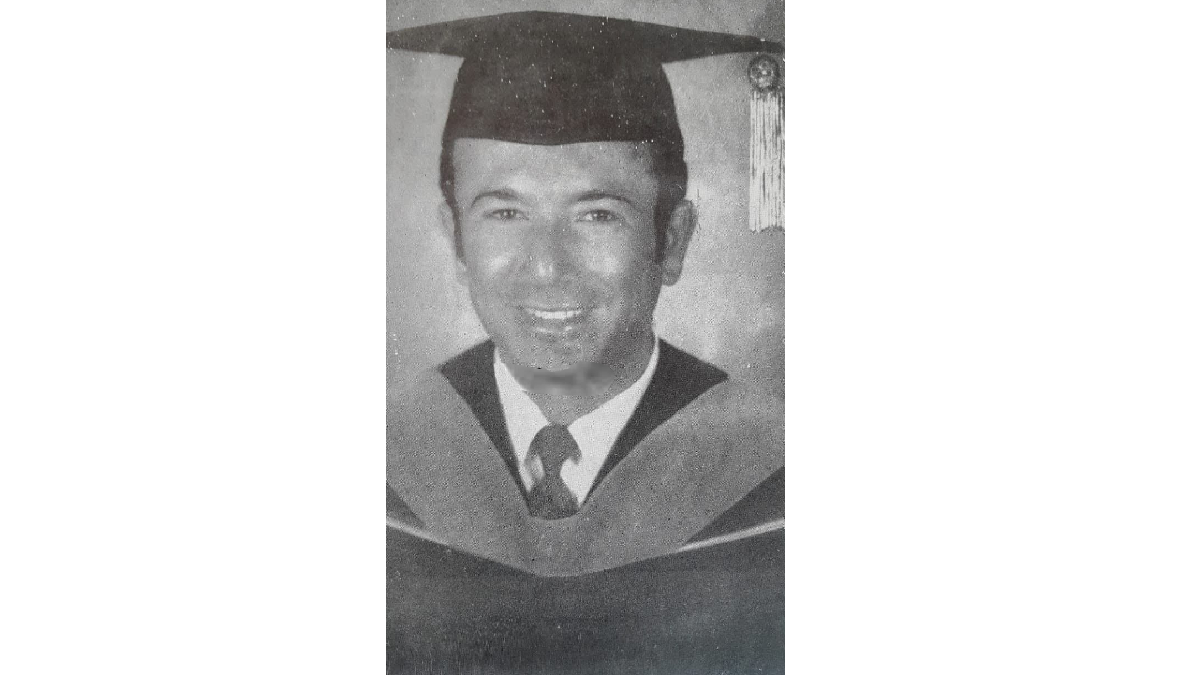
Samir Hussein Al-Shaar (June 16, 1934 – April 4, 1972) was a Lebanese biomedical engineer. He was born in the town of Aainab in the Aley District. He received his primary education at the Dawoudia School and obtained the official high primary certificate in 1949. He graduated from the School of Arts and Crafts in Beirut with a degree in assistant mechanical engineering in 1959.
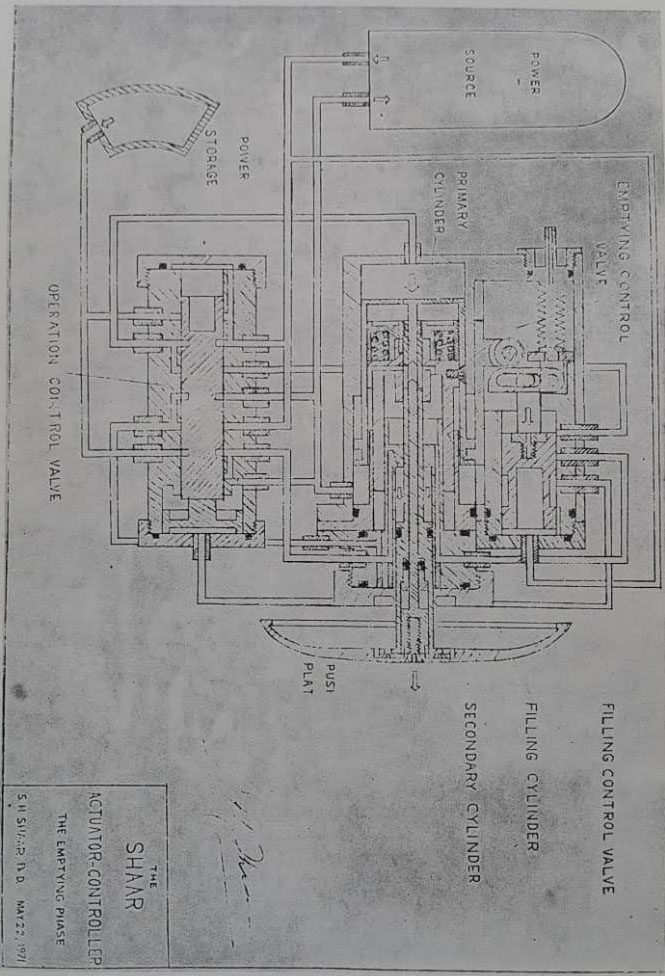
He traveled to the United States to specialize in electronic engineering in 1959. He received his undergraduate degree, a Bachelor of Science, from the University of Southern California in 1963. In 1964, he suffered from kidney failure. He then obtained a Master of Science degree from the same university, with his thesis topic being an advanced artificial kidney device in 1966. Later, he earned a doctorate in biomedical engineering. He completed his invention and signed a contract with the Moog company to produce it in 1971.
He passed away on April 4, 1972, following a brain hemorrhage. In 1973, a memorial ceremony was held for him at the UNESCO Palace in Beirut, where prominent scientific and community figures spoke, and the state awarded him a high honor. A memorial monument was erected in his hometown.