
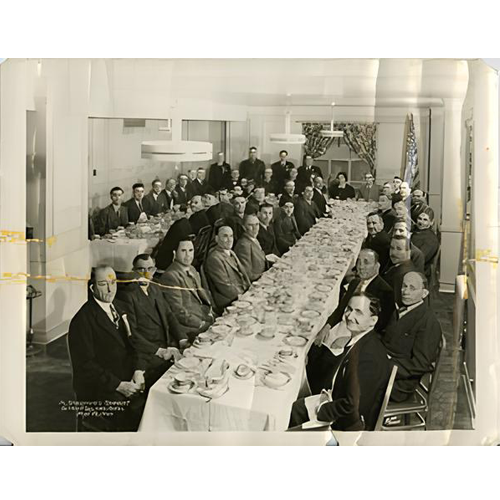
In the late 19th century, Druze immigrants began arriving in the United States. As their numbers grew, they felt a need to establish an organization that would bring them together and strengthen the bonds of brotherhood among them. In 1907, a group of these immigrants in Seattle, Washington, founded the first Druze fraternal organization in the United States, which they called "El-Bakaurat Ed-Dirziyat."
The word "El-Bakaurat" in Arabic means "the first fruit." This name was chosen to signify that it was the first Druze fraternal organization in the United States. Among the founding members of this organization were Mr. Assad Karami from Ain Zahalta, Lebanon, and Dr. Nasim Salem from Joub, Lebanon.
El-Bakaurat Ed-Dirziyat was legally registered under the laws of the State of Washington. In 1911, the society was incorporated in the city of Seattle.
El-Bakaurat Ed-Dirziyat aims to foster brotherhood and solidarity among the Druze in the United States. It also works to preserve Druze culture and traditions, and to assist those in need within the community.
Over the years, El-Bakaurat Ed-Dirziyat has expanded and now includes branches in many American cities. Today, it is considered one of the most important Druze organizations in the United States.
Social and Cultural Role
El-Bakaurat Ed-Dirziyat has played a significant role in the lives of the Druze in the United States. It has helped strengthen the bonds between community members, spread Druze culture, and support the needy.
Among the most notable achievements of El-Bakaurat Ed-Dirziyat are:
- Establishing branches in many American cities, which contributed to connecting the Druze across the country.
- Organizing numerous cultural and religious events, such as festivals and religious celebrations.
- Providing humanitarian aid to those in need within the community.
El-Bakaurat Ed-Dirziyat continues to play its important role in the lives of the Druze in the United States. It strives to foster brotherhood and solidarity among community members and to preserve Druze culture and traditions.