
The Druze Orphanage and Charitable Organization in New York is considered one of the leading charitable institutions in the world, working with clear dedication to serve orphans and needy families in the Druze community.
This organization was founded on the values of justice, compassion, and solidarity, and strives to achieve its vision of building a warm and sustainable society where everyone lives with dignity and equal rights.
Building Shelter and Providing Care
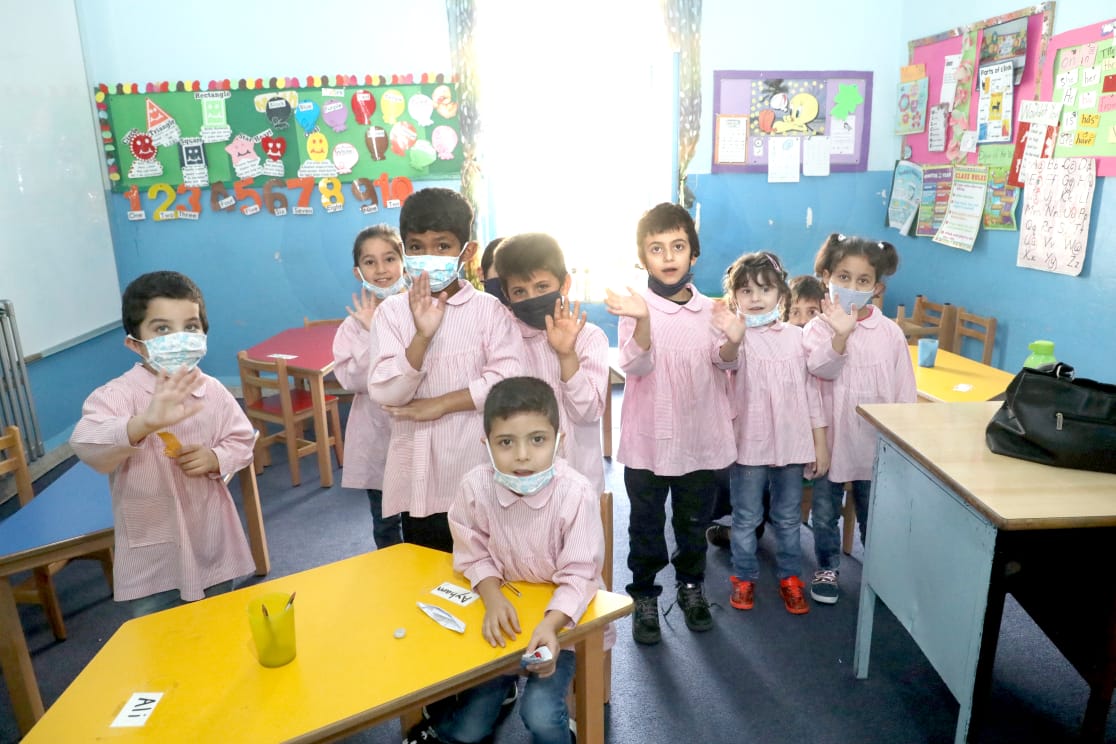
The Druze orphanage at Beit Al-Yateem (House of the Orphan) is one of the most prominent initiatives offered by the organization. The orphanage provides a safe and loving home for orphans who have lost their parents, where they receive full accommodation, medical care, education, and proper nutrition. A supportive environment is provided to foster their personal and emotional growth, helping them build a bright future.
Higher Education and Scholarships
The organization also strives to support higher education for talented and high-achieving Druze youth. It offers university scholarships aimed at empowering Druze students to pursue their university studies without financial obstacles. Druze university students are given the opportunity to learn and grow in their chosen fields, which contributes to community development and the creation of new job opportunities.
Supporting People with Special Needs and Needy Families
The Druze Orphanage and Charitable Organization cares about supporting people with disabilities in the Druze community. It provides the necessary support for people with disabilities, such as physical therapy, rehabilitation, and psychological and social support, with the aim of enabling them to fully participate in society and achieve their personal ambitions.
In addition, the organization provides general support to needy families in the Druze community. By providing financial, food, and urgent aid, the organization works to alleviate the burden on destitute families and enable them to meet their basic needs.
Awareness and Education
The organization is also a powerhouse in educating the community on issues of orphanhood, poverty, and social rights. It organizes events and awareness campaigns to speak about the importance of supporting orphans and providing equal opportunities for all. It also works to promote awareness of children's rights and protect them from all forms of exploitation and violence.
Partnerships and Cooperation
The organization recognizes the importance of cooperation and partnerships with other institutions and organizations to achieve its goals. It works on building strategic partnerships with the local government, non-governmental organizations, and private companies to enhance its efforts in providing support and care for orphans and needy families.
Founders of the Orphanage:
Mrs. Aniseh Assaf (1908-2002)
She turned her love and dedication to orphans into a lifelong vocation. After volunteering to help launch the Druze Orphanage with the late Aref Nakadi and other prominent Druze figures in 1941 and in As-Suwayda in 1948, she worked tirelessly and selflessly to change the lives of the children at Beit Al-Yateem, many of whom called her "Mother." Her services included taking orphans from their villages, purchasing daily necessities, teaching, and fundraising. She continued to do this, with love, for over fifty years, until her name became synonymous with Beit Al-Yateem.
After retiring and immigrating to California, USA, she continued to advocate for the orphanage. She was recognized and honored several times. However, she was happiest when someone approached her with an unsolicited donation for the orphans. Her presence seemed to stir the spirit of charity in the hearts of all, and they would give generously.
As she grew older and could no longer travel, she continued to think of her beloved Beit Al-Yateem, and how to keep it strong. With the help of her sister, Mrs. Afifi Masri, and her late relative, Dr. Fouad Muakkasa, she founded the Druze Orphanage and Charitable Organization (DOCO) in the United States in 1999, to ensure continued financial support for the home. She watched, with joy and enthusiasm, as the DOCO mission was realized and became successful. The "Aniseh Assaf" library was established in her memory.
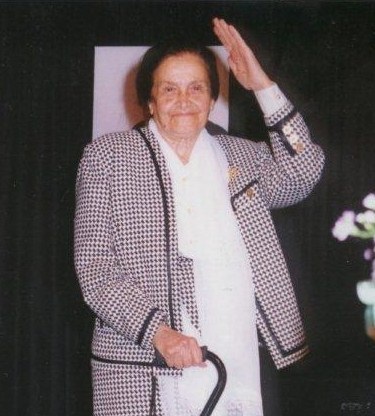
Mrs. Afifi Assaf Masri (1916-2017)
She shared her sister Aniseh's lifelong commitment to serving Druze orphans. After spending many years as a teacher and school principal, she moved to Liberia in Africa where she helped her husband run a successful business. There, she continued to raise funds for the orphanage regularly. In the early 1970s, she and her husband intended to retire and move to California to be near their family. She remained steadfastly committed to Beit Al-Yateem, and in 1985, she founded the "Druze Community Infants in America." She encouraged parents of Druze infants to make donations to Beit Al-Yateem in honor of their children's births. The parents loved the idea and continue to send donations to the orphanage on their children's birthdays. She remained active in fundraising throughout her life. The Druze Orphanage at Beit Al-Yateem named a recreation room after Mrs. Afifi Masri in recognition of her dedication and contributions.
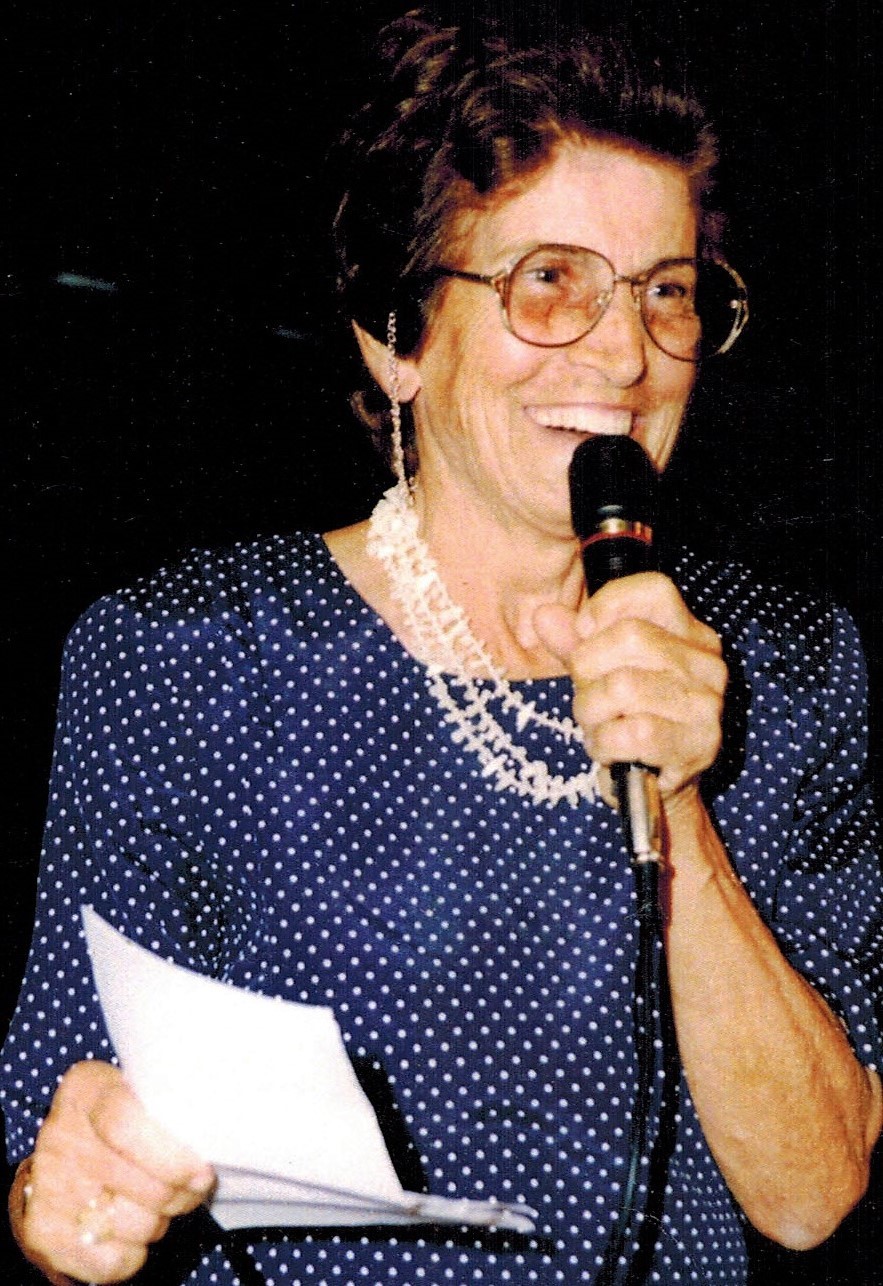
Dr. Fouad K. Muakkasa (1914 – 2000)
He was always a huge admirer of Beit Al-Yateem. Having suffered the pain of losing his father at an early age, he grew up determined to help others. He credits his mother with instilling the love of giving and the duty to help orphans. He faithfully supported Beit Al-Yateem once he began practicing medicine. In 1943, Dr. Muakkasa gave his entire first paycheck to his relative, Mrs. Aniseh Assaf, as a donation to the orphanage, which was still in its infancy. When Mr. Aref Al-Naddadi, the founder of Beit Al-Yateem, asked Mrs. Assaf to return the money because Dr. Fouad had a mother to support, Dr. Fouad sent it back with a blessing. From then on and throughout his career and retirement, he continued to make regular monthly donations, leading the late Mr. Al-Naddadi to name a building after him in recognition of his extensive support.
The story did not end there. Dr. Muakkasa's six children followed in his footsteps, by donating their first salaries to the orphanage and continuing to make regular donations. Dr. Muakkasa's resolve to help this institution was strengthened by founding the Druze Orphanage and Charitable Organization (DOCO) in the United States. Dr. Muakkasa passed away in 2000. The donations made in his memory helped fund the dispensary at Beit Al-Yateem, which now bears his name. Dr. Muakkasa's children have pledged to fund and expand the dispensary in line with Dr. Muakkasa's legacy of treating the sick, especially the orphans among them.
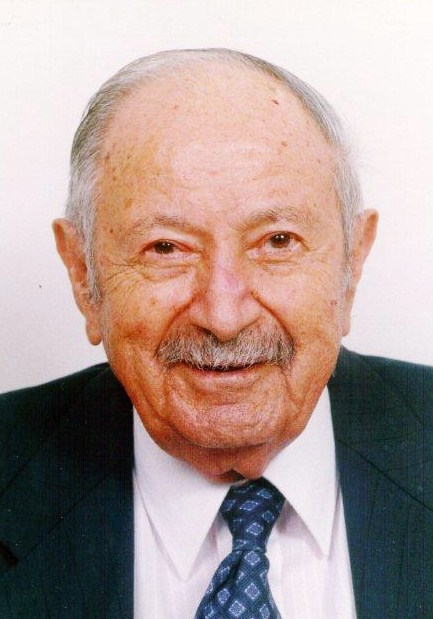
Dr. Kamal Muakkasa (1949 – 2012)
He followed in his father's footsteps, becoming a generous and regular benefactor of Beit Al-Yateem. Dr. Kamal served as the president of DOCO for over a decade. Together with other members of the American Druze community benefactors, he raised funds to provide medicine and medical equipment for the benefit of the Druze orphanages in Lebanon and Syria. This is in addition to donating to many other non-profit Druze organizations. His family, friends, and colleagues donated more than $44,000 in his memory for the benefit of the orphanage. This rallying around Kamal's beliefs is a testament to his love, dedication, and commitment. The Druze Orphanage at Beit Al-Yateem named a bedroom after Dr. Kamal Muakkasa in recognition of his dedication and contributions.
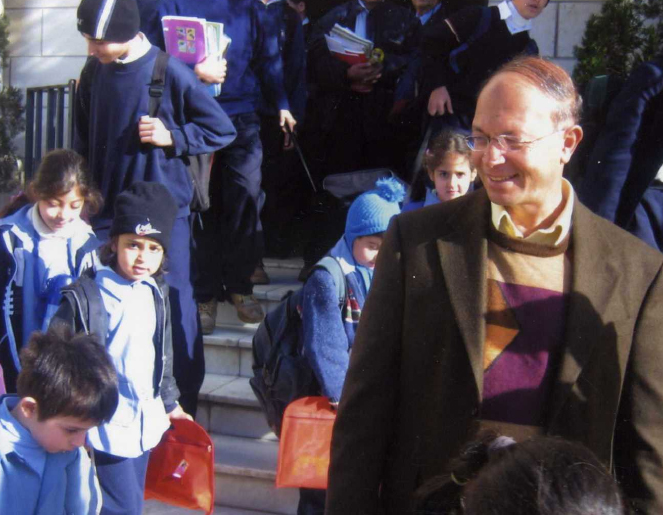
The Druze Orphanage and Charitable Organization is an inspiring humanitarian force, working with clear dedication to improve the lives of orphans and provide support to needy families. Through its diverse programs and strong partnerships, the organization strives to build a society filled with justice, compassion, and solidarity. Its continuous efforts reflect its deep commitment to achieving sustainable development and improving the quality of life for underprivileged individuals.