
“Kayan 24” Exclusive
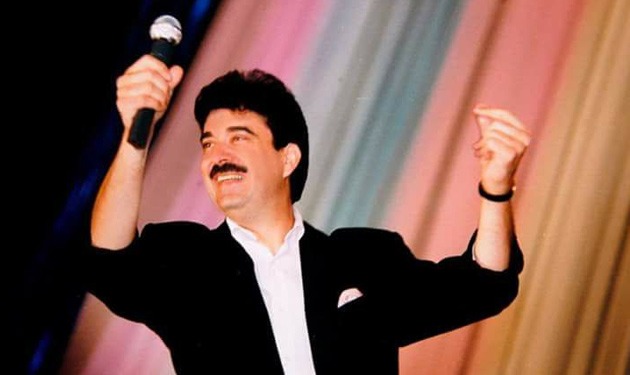
Following in the footsteps of Farid al-Atrash, the son of the town of Sofar walked toward stardom, imbued with the authenticity of the mountains and a love for the land. With a resonant voice that reflected his love for the land, the nation, and the mountains he belonged to, he began his artistic journey filled with milestones and successes that were not limited to Lebanon but extended across the Arab world. He became a name that had a special resonance in the world of art in Lebanon.... Nihad Tarabay and his voice were unique and irreproducible.
Singer Nihad Tarabay was born in the town of Sofar, in the Mount Lebanon Governorate, in 1950. He studied at the Al-Birr wal-Ihsan school in Beirut, then joined the Lebanese National Higher Conservatory of Music, where he learned to play the oud and graduated after completing his years of study. His father supported him greatly, as he was an art lover, a poet, and an author; he had a book containing 400 lines of poetry titled "Ayail al-Sahra" (Desert Deer), from which Nihad later sang.
He loved singing dearly, so his father took him to the home of the late artist Wadih El Safi, who encouraged him until he applied to the "Studio El Fan" program, where people admired his voice, and he began performing concerts one after another.
Nihad Tarabay began his artistic journey after graduating from the conservatory and experienced several cultures, as he moved between Beirut, Paris, and Cairo. This influenced his singing career and shaped its direction. From his home to school, and then joining a choir directed by the late Lebanese artist Zaki Nassif, he absorbed authentic art and reflected it in his songs, which were unlike any others, containing enough of Tarabay's own style to ensure they could not be copied.
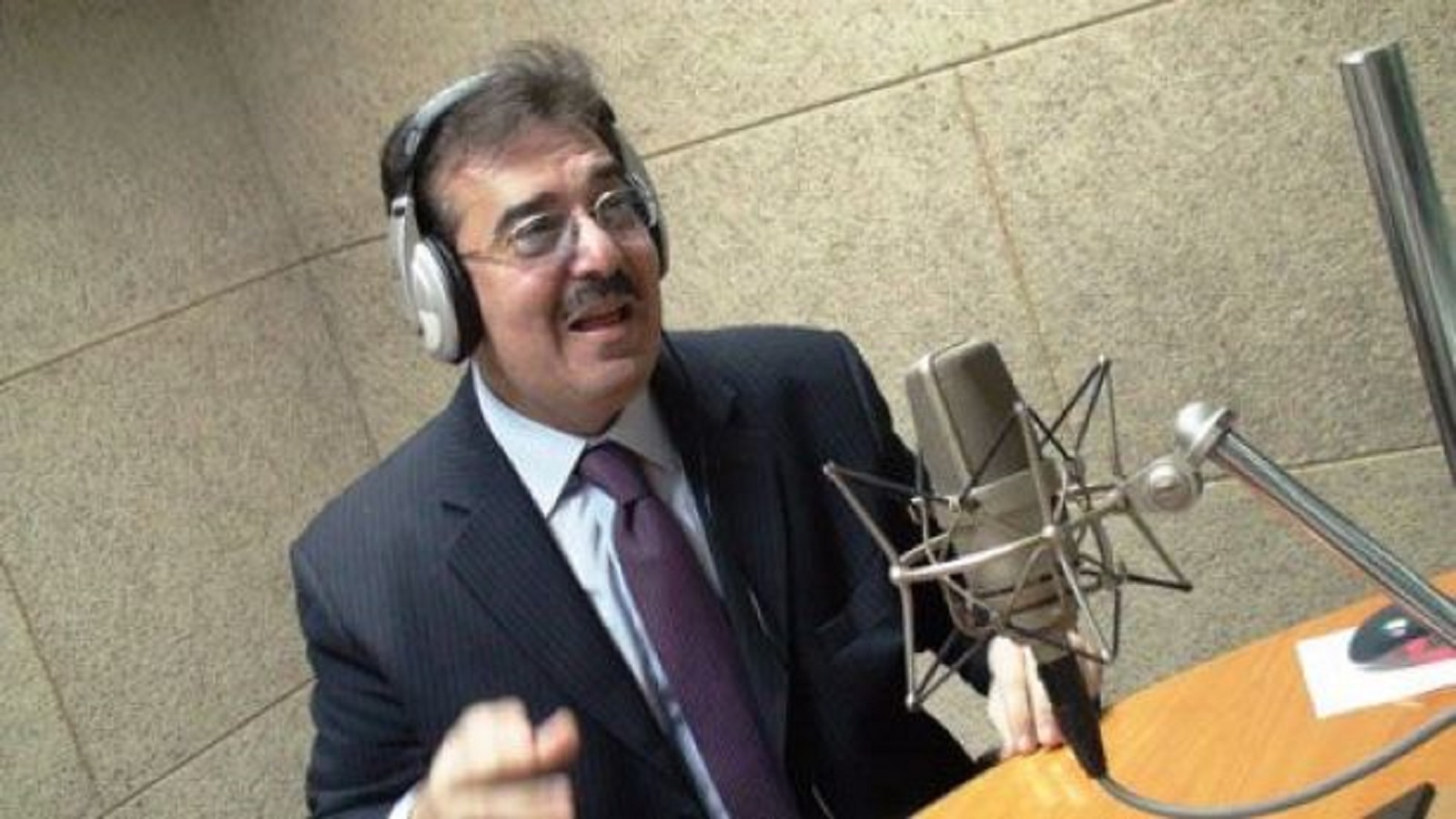
In the footsteps of Farid al-Atrash
He was influenced by Farid al-Atrash and mastered his style, singing in it, yet he maintained his own identity. He built strong relationships with many stars in the industry, such as Farid al-Atrash, with whom he shared a friendship, as Tarabay was one of his favorite singers and friends.
He also enjoyed a friendship with the musician Melhem Barakat, and Tarabay mentioned that he frequently met with him and sought his advice for his songs. He also stated in one of his interviews that he was related to the late artist George Yazbek, who wrote a famous song for him. He also shared friendships with the star Ahmed Adawiya in Egypt.
Over an artistic career spanning about 35 years, Tarabay presented more than 300 songs in Egyptian, Lebanese, and Bedouin dialects. Perhaps the most famous is the song "Badna Nitjawaz Aal Eid" (We Want to Get Married for the Holiday), which was highly acclaimed by the public and spread across the entire Arab world. He released it after moving to Paris due to the civil war in Lebanon. In Paris, Tarabay found the legendary Sabah (Al-Shahroura) by his side; she supported him and asked promoters and producers to help him in any way they could.
In Cairo, too, Tarabay found himself surrounded by admirers. He met the musician Mohammed Abdel Wahab, who gave him his confidence, following Wadih El Safi and others, and allowed him to re-record his masterpiece "Albi Byelli Kalam" (My Heart Tells Me Words), which he later released in an album bearing its name.
Among his other most famous songs are "A Abwabkum Da'ait" (I Knocked on Your Doors) and "Warda Likum" (A Flower for You). He also collaborated with poets and composers, especially composer Hassan Abu Al-Saud, who composed one of his songs titled "Khalas Hasibak" (I Will Leave You Now). He also sang songs written by his father, including a song titled "Mal Al-Hawa wa Mali" (What Does Love Have to Do with Me).
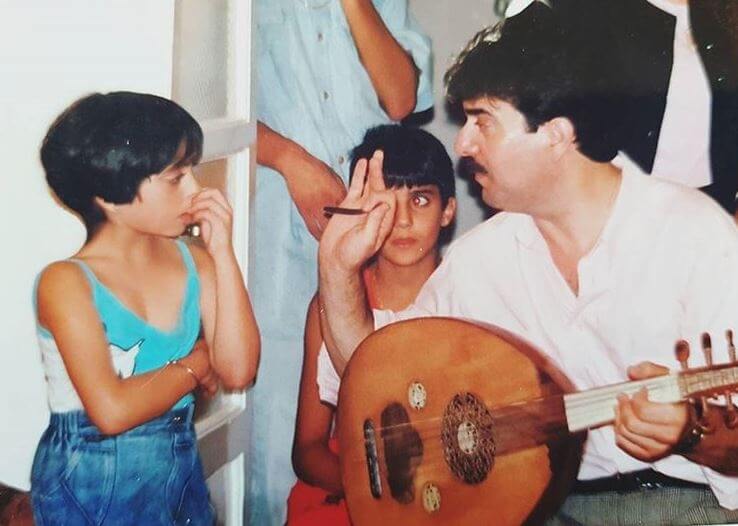
Passed away in Paris
He received many honors, awards, and titles, but illness betrayed him. Diabetes was the cause behind Tarabay's suffering and the loss of his sight. He passed away in Paris, where he was receiving treatment, at the age of 67, but he left an impact on the hearts of his audience.
In an interview, Nihad Tarabay said in response to a question about the "golden era" that "the golden era did not end and was not buried; on the contrary, all the Tarab (traditional music) and Mawwals we presented are still stuck in the audience's minds." And so, his songs remain in people's memories, reminding them of a beautiful era and a generation of giants and greats, of whom Nihad Tarabay is one.
Some of Nihad Tarabay's songs:
The song "Qalu Al-Azab Mishwar"
The Mawwal "Ana Lubnani"
The song "Al-Qamar Musafir"
The song "Habibi"
The song "Amira Bint Al-Umara"
The song "Tayyib Jiddan"
The song "Bahbak"
The song "Lubnan Ya Hubbana Raji'inlak Raji'in"
The Bedouin song "Wein Al-Khail"
The Bedouin song "Weina Zina"
The Bedouin song "Bi-Azz Al-Lail"
The Bedouin song "Turid Truh wa Tinsana"
The Bedouin song "A Abwabkum Da'ait"
The Bedouin song "Al-Nabi Tidhaki"