
Exclusive to “Kayan 24”
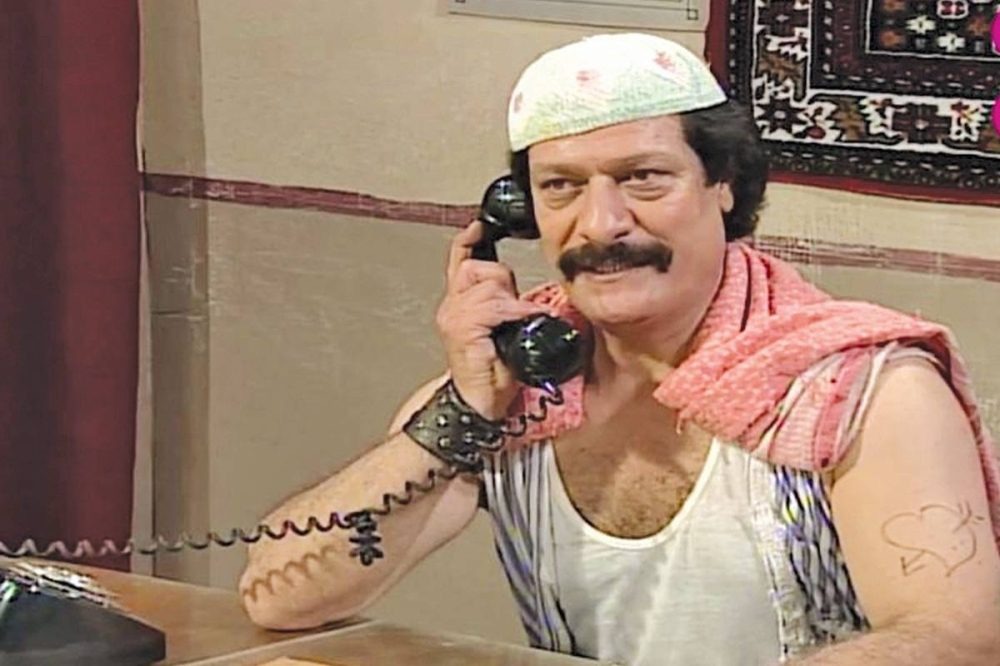
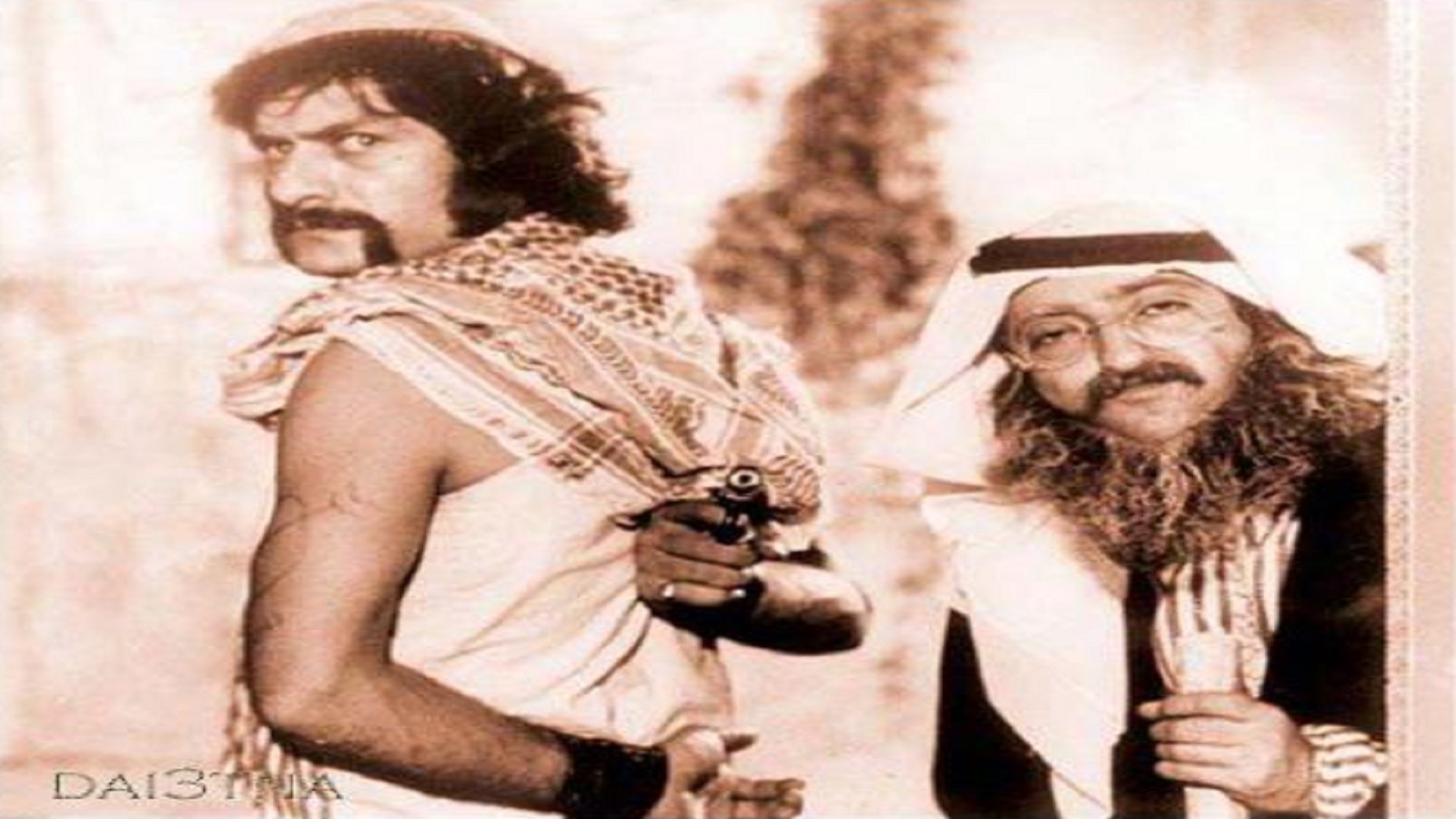
“Abu Antar” is a name that fits the character, a title that became inseparable from the star of Syrian drama at the time, Naji Jabr. He was an artist in every sense of the word, performing alongside the greatest actors of that generation.
He was born into an art-loving family in the city of Shahba, in As-Suwayda Governorate, on October 26, 1940. From his noble Arab family, which is characterized by authentic Eastern customs and traditions and has a distinguished artistic history on the Syrian scene, Jabr imbibed a love for acting. He was the brother of actors Mahmoud Jabr and Haitham Jabr, brother-in-law to actress Haifa Wassef, and uncle to actresses Laila Jabr and Marah Jabr. His older brother, Mahmoud Jabr, was his gateway into the world of art; from his early beginnings, he participated in many theatrical performances with his brother Mahmoud and his troupe, including works such as "Sayyad wa Sadouni" (Hunter and They Hunted Me) and "Tarat al-Baraka" (The Blessing Has Flown).
Naji Jabr joined the Syrian Artists Syndicate in 1972 and continued his work with Nihad Qal'i and his partner in success, Duraid Lahham. He appeared in the character of “Abu Antar” in the works “Ghawwar” and “Sah al-Nawm” (Wake Up), for which he became famous and known. He presented many important television, theatrical, and cinematic works that are still shown to this day, having participated in more than thirty films, fifty series, and dozens of plays.
Son of the Mountain of the Arabs
The son of the Mountain of the Arabs, who became the “Qabaday” (tough guy) of Syrian drama, could embody any role given to him. He adopted the character of “Abu Antar”—the tough guy—in the series "Sah al-Nawm" with the great artist Duraid Lahham (Ghawwar al-Toushi) and developed the character in his own way. He then further evolved the character from a troublemaker and aggressive thug to a folk hero under popular labels that were previously familiar, such as the "Zaghart" and "Qabaday" (the neighborhood tough guy). The character thus drew closer to the people, especially when he presented it in the series “Yawmiyat Abu Antar” (Diary of Abu Antar), which marked the official return of the “Abu Antar” character with a new vision representing a noble, generous, and moral man who acts as a pillar in his community, someone others rely on and turn to for protection and to restore the rights of the oppressed.
After years of absence from working with Duraid Lahham, the latter enlisted Abu Antar for his series “Awdat Ghawwar” (The Return of Ghawwar), presented in 1998. He appeared as Abu Antar, and the character seemed closer to kindness than to thuggery. Through this work, he managed to secure a larger space for himself alongside “Ghawwar,” and the role of “Abu Antar” appeared larger and deeper than his previous roles with Lahham. After “Awdat Ghawwar,” Naji Jabr decided to retire the “Abu Antar” persona for good—a character that had become deeply attached to him—and never return to it. However, directors and producers brought him back to it without him realizing it, as he participated in many works and appeared as a “Qabaday” but under other names far removed from Abu Antar. Thus, Jabr appeared as a tough guy in “Ayyam Shamiyah” and “Al-Khawali” for Bassam Al-Mulla, and with Seif Sbeai in “Awlad Al-Qaimariyah”.
Artist Naji Jabr married Laila Jarmani in 1984 and had four children: Lujain, Haya, Ribal, and Mudar. The latter followed in his father's footsteps in the field of acting and participated in several famous series, the first of which was the series “Bayt Jaddi” in 2008.
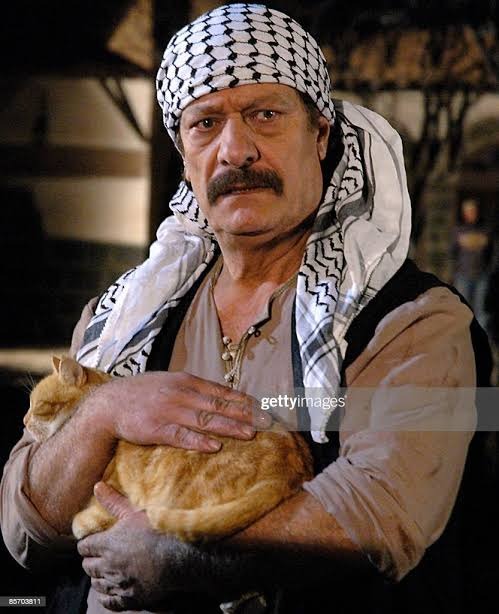
Jabr left this world, leaving behind a large archive of works and creativity, in March 2009 at the age of 69, due to his struggle with lung cancer. He was loved by young and old alike and left a great mark on the memory of Syrian art. It is worth noting that he was known for his benevolence and spent his life helping the needy and the poor.
Television works:
Series “Hikaya al-Layl” (Night Tales), 1968.
Series “Maqalib Ghawwar” (Ghawwar's Pranks), 1968.
Series “Awla Biladi” (My Country First), 1971.
Series “Milh wa Sukkar” (Salt and Sugar), 1973.
Series “Ayyam Shamiyah” (Damascene Days), 1992.
Series “Yawmiyat Abu Antar” (Diary of Abu Antar), 1996.
Series “Awdat Ghawwar: Al-Asdiqa’a” (The Return of Ghawwar: Friends), 1998.
Series “Al-Khawali”, 2000.
Series “Abu al-Mafhawiyah”, 2003.
Series “Ala al-Makshuf” (In the Open), 2004.
Series “Arabiyat”, 2005.
Series “Ghazlan fi Ghabat al-Dhiab” (Gazelles in the Forest of Wolves), 2006.
Series “Aseer al-Intiqam” (Prisoner of Revenge), 2007.
Series “Awlad Al-Qaimariyah”, 2008.
Series “Bayt Jaddi” (My Grandfather's House), 2008.
Series “Ahl al-Rayah” (People of the Banner), 2008.
Cinematic works:
Film “Ghazlan” (Gazelles), 1969.
Film “Awdat Hamido” (Hamido's Return), 1971.
Film “Jisr al-Ashrar” (Bridge of the Wicked), 1971.
Film “Maqlab Hub” (Love Prank), 1972.
Film “Hawi Mashakel” (Troublemaker), 1974.
Film “Gharamiyat Khasa” (Private Romances), 1974.
Film “Al-Ja’iza al-Kubra” (The Grand Prize), 1974.
Film “Al-Istirad al-Kabir” (The Grand Review), 1975.
Film “Su’ud al-Matar” (Ascent of Rain), 1995.
Theatrical works:
Play “Sayyad wa Sadouni”.
Play “Saradeeb al-Daye'een” (Cellars of the Lost).
Play “Hutt bil-Kharj”.
Play “Masrah al-Shawk” (Theater of Thorns), 1968.
Play “La Tesamehouna” (Do Not Forgive Us).