
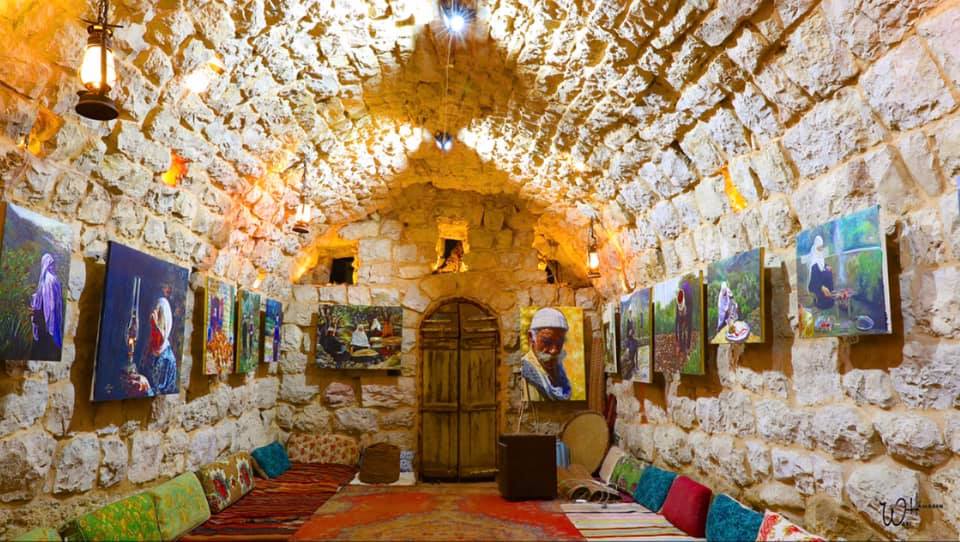
In the town of Jahliyeh in the Chouf region, began the journey of artist Ghandi Abu Diab, a talented young man who loved writing as much as sculpture and painting. He discovered a cave in his village dating back to the Ottoman era, approximately 400 years old, consisting of three adjacent vaulted cellars spanning an area of 1500m2 along with the surrounding heritage garden. He began a rehabilitation workshop for the cave, only to discover an additional cave in the form of a narrow grotto with walls two meters thick and a height of one and a half meters. He worked on excavating the rock to a depth of one and a half meters in an artistic way that helped open up the space, without disturbing its uneven rocky floor.
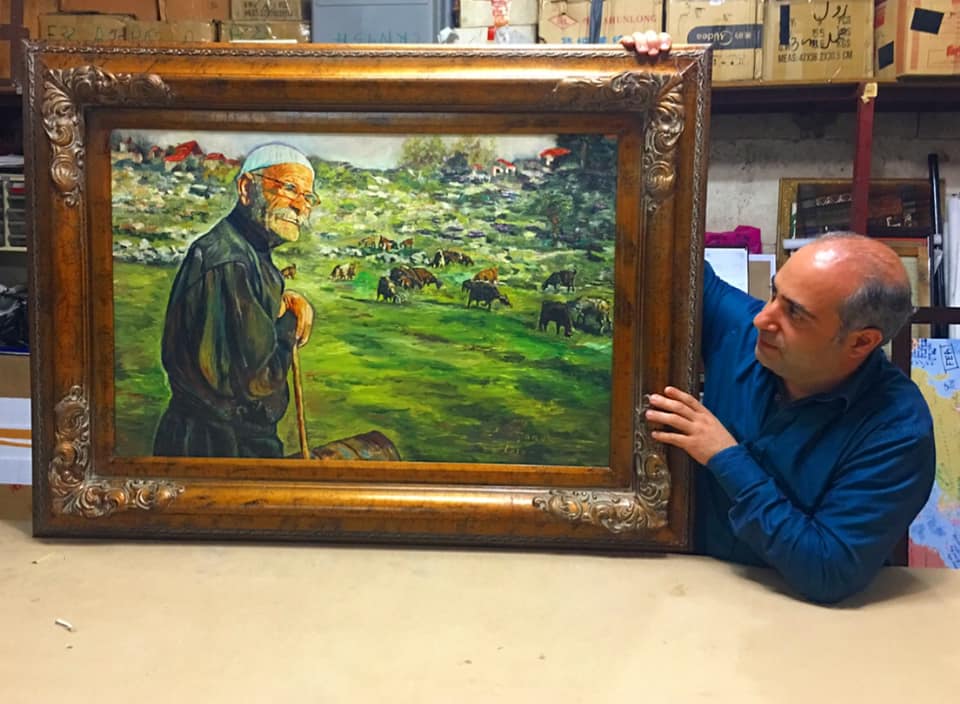
After years of effort and hard work, these heritage cellars were transformed into the "Cave of Arts" in its current form. It is adorned with Ghandi's oil paintings, most of which were inspired by the life, characters, and customs of the Lebanese village, in addition to artistic sculptures and models, where he used ancient tree roots to create expressive pieces.
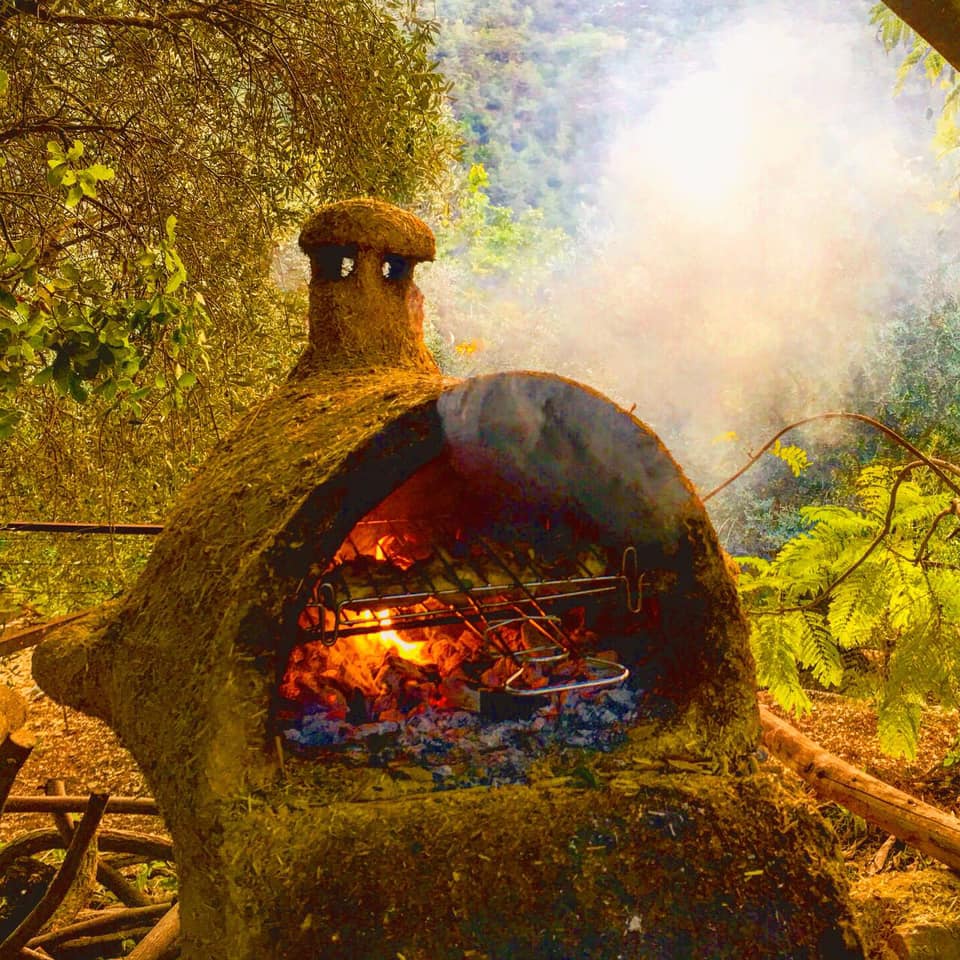
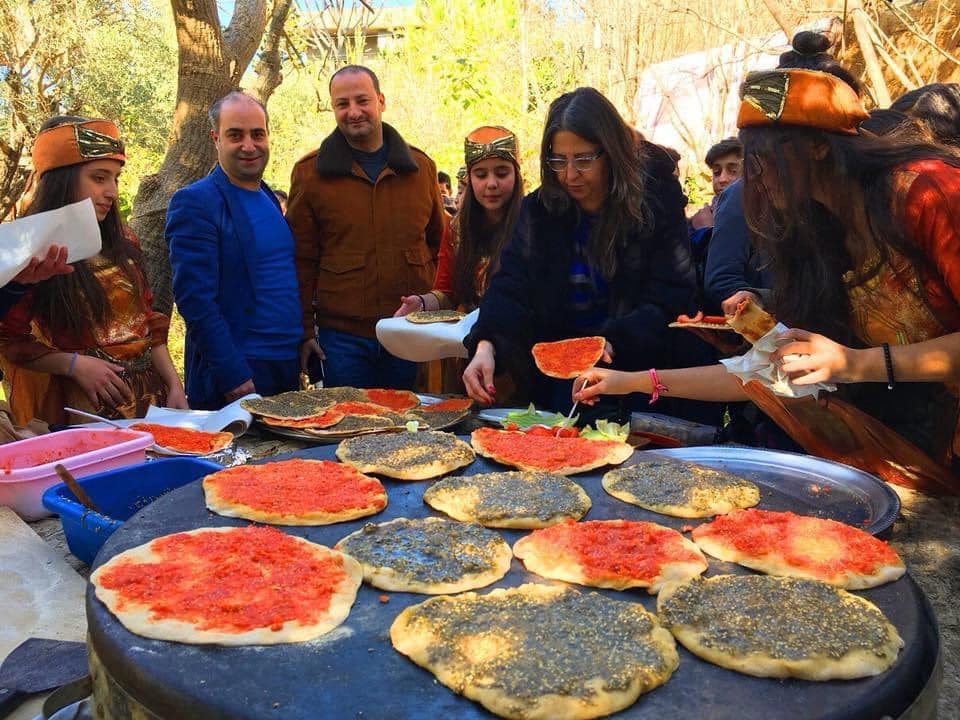
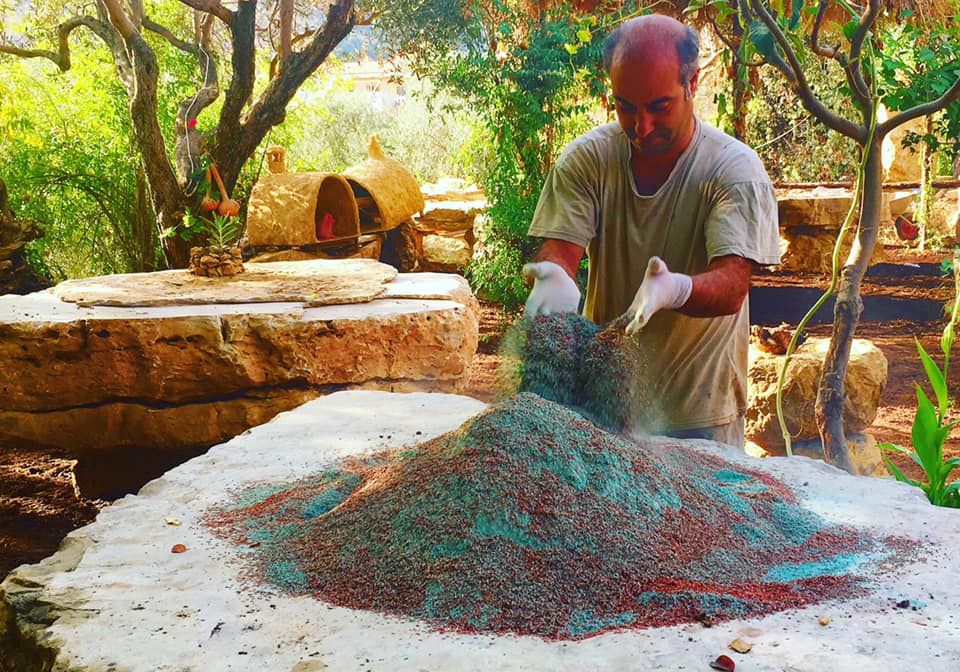
One cannot visit the "Cave of Arts" without tasting Lebanese village food; for this purpose, he built earthen ovens to roast and cook village dishes and local manakish. This is in addition to the fruit trees he planted in the cave's garden and its surroundings, amidst an environmental diversity that combines about 40 types of trees and plants.
What adds to the splendor and diversity of this place are the fish farms that Ghandi made sure to provide a warm space for among these natural and artistic masterpieces.
Ghandi's creativity is not limited to painting and sculpture; he is also a poet and has published more than one poetry collection.