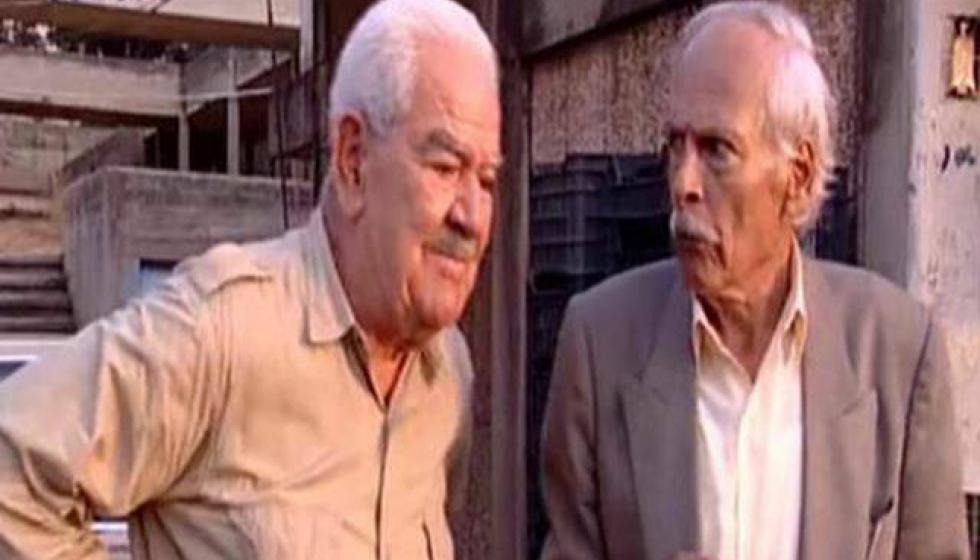

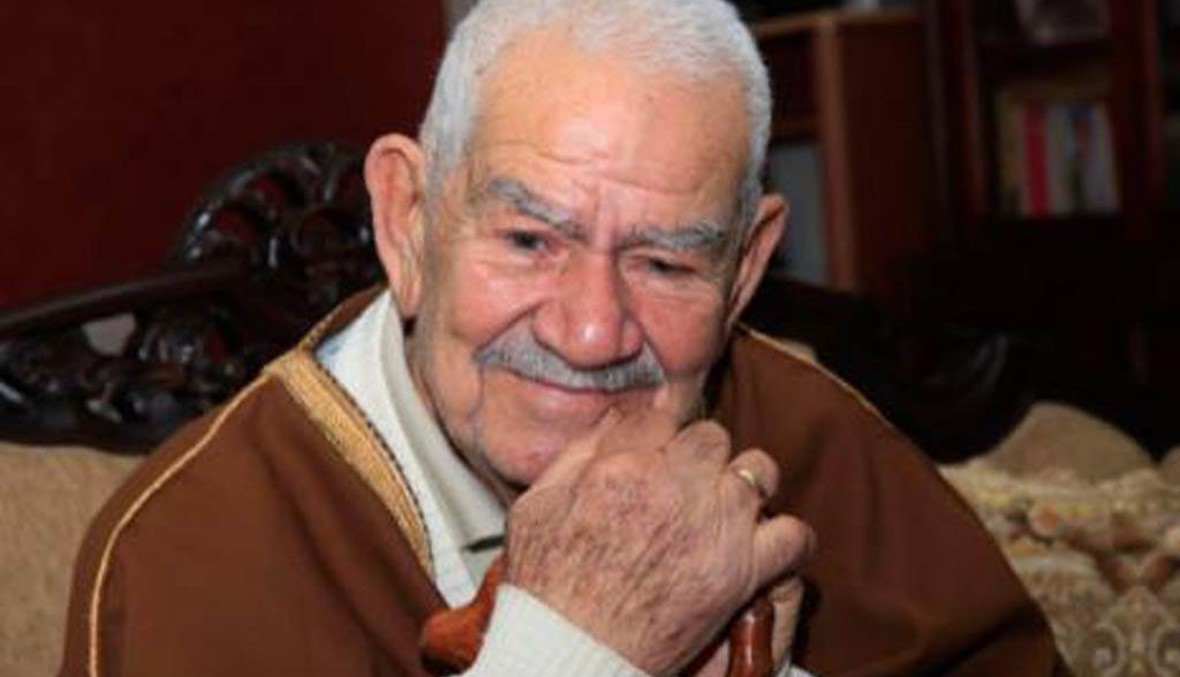
The name Suleiman Al-Basha was not like others in the world of acting. The esteemed actor who excelled and mastered all the roles assigned to him left a different mark on the hearts and minds of viewers. He performed his roles with such fluidity and embodied his characters so well that people forgot he was playing a role in a series. He also left a milestone in the life of every artist who came after him..
The beginnings of the son of the mountain were with a love for art when his father, Khattar, opened a shop near the theater of the "Ras Beirut Al-Alawi" school. In his twenties, Suleiman Al-Basha was invited to a theatrical performance by Abdelhafiz Mahmassani in Bhamdoun. After watching it, he began to frequent the Mahmassani troupe during their rehearsals at Burj Square in downtown Beirut. He insisted on pursuing acting, and after the approval of his parents, he joined the Mahmassani troupe "without pay."
The Son of the Mountain
Suleiman Al-Basha was born in the Shouf village of Dmit in Mount Lebanon in 1926. The beginnings of the son of the mountain were with a love for art when his father, Khattar, opened a shop near the theater of the "Ras Beirut Al-Alawi" school. In his twenties, Suleiman Al-Basha was invited to a theatrical performance by Abdelhafiz Mahmassani in Bhamdoun. After watching it, he began to frequent the Mahmassani troupe during their rehearsals at Burj Square in downtown Beirut. However, his father's circumstances forced him to join his father Khattar's shop in Beirut, but work did not deter him from continuing his education in some free night schools in Ras Beirut. Years later, he began to frequent the Mahmassani troupe, which held its rehearsals at Burj Square. After several attempts, the intervention of his mother, and his threat to go to Egypt to study acting, his father agreed to let him practice art, provided that he went to the theater after work.
Suleiman Al-Basha joined the Mahmassani troupe without pay, where he met Moussa Khasho and other faces who later played a prominent role in the artistic scene in Lebanon. A few months after joining the troupe, Al-Basha acted in the play "Virginie," based on the novel "Paul and Virginie" by the French writer Bernardin de Saint-Pierre, which was presented at that time on the occasion of Independence Day.
Three years after the establishment of "Télé Liban," his former colleague in the Mahmassani troupe, Nezha Younes, called him and asked him to play the role of the father in the series "Taht Al-Sindiyana" (Under the Oak Tree) by writer George Tawil. He participated in it alongside Nezha, her sister Hiyam, Ihsan Sadek, Elie Sanefer, and others. The episodes of the work were broadcast live. At this time, Ihsan Sadek had begun broadcasting his program "Sandouq Al-Furja" (The Curiosity Box), the episodes of which remained live for four years, and Al-Basha soon joined this work and played notable roles in it.
The Ideal Man
From the series "Hikmat Al-Mahkama" (1963) by Elias Matta, to "Kanat Ayyam" (1964) by Bassem Nasr, his star gradually shone, especially in the roles of the strict father or the ideal mountain man holding on to customs and traditions. His presence was cemented in the memory of television through his notable participation in the series "Abu Melhem" by Adib Haddad and his wife Salwa (Umm Melhem), which continued to be broadcast intermittently between 1967 and 1976. However, his constant longing for his theatrical beginnings, as he said in one of his interviews, pushed Al-Basha to answer the call of the pioneer of mobile theater, Jalal Khoury, and accompany him in many of his works, including "Juha in the Frontline Villages" (1972), "Al-Qabdai" (1973), and "The Comrade Sajaan" (1974).
He also stood on stage alongside Nidal Al-Ashkar, Antoine Kerbage, and Leila Karam in a play directed by Berge Fazlian, with music by Ziad Rahbani, based on the text of the Turk Khaldoun Thaer titled "Abu Ali Al-Asmarani" (1974). He participated in the film "The Sniper" (1980) by Iraqi director Faisal Al-Yasiri, and the film "Ghost of the Past" (1985) by George Fayyad.
He also wrote and directed theatrical texts and performed them in Lebanese regions, including "The Senior Employee," "My Misfortune is My Son," and "Martyred Against His Will."
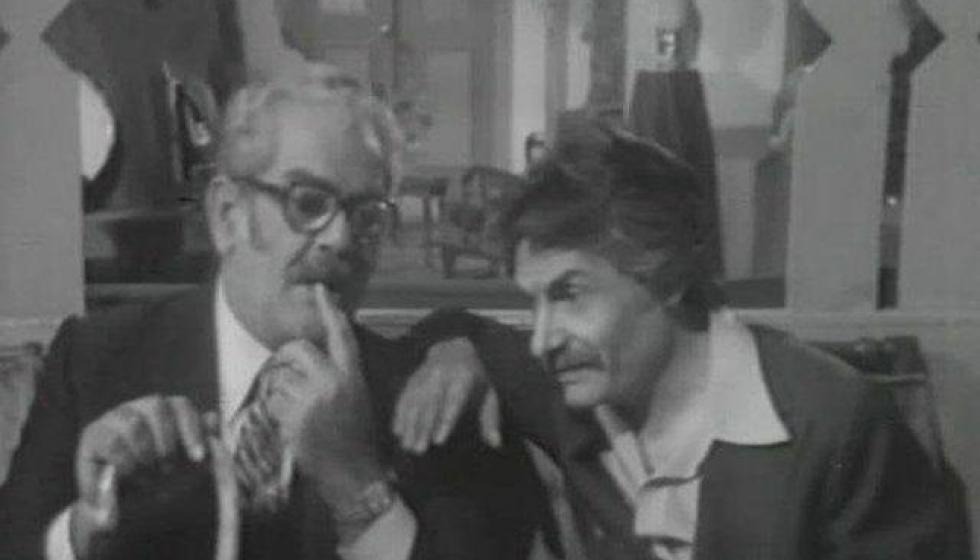
Union Struggle
In 1951, he joined the "Progressive Socialist Party" and focused his partisan work on union interests, which qualified him to become the official in charge of unions within the party. Suleiman Al-Basha's constant alignment with the rights of his fellow artists, and his work to resolve their functional and administrative problems, made him one of those who sought the birth of a syndicate to shelter them. He contributed to the founding of the Artists Syndicate and to organizing its affairs. Along with a number of his colleagues, he was able to establish the "Mutual Aid Fund" for the artists registered in it in 1999, which was chaired by Ihsan Sadek, while Suleiman Al-Basha took on the responsibility of vice president. Although he retired from acting in 2007 after his appearance in the series "Something of Strength" by Elie Maalouf, he used to attend the Artists Syndicate in Sin el Fil every Tuesday to follow up on union and health matters.
The Lebanese actor Suleiman Al-Basha passed away on the evening of Friday, December 6, 2017, at the age of 91, leaving behind a legacy of many works and achievements that will continue to be remembered.