

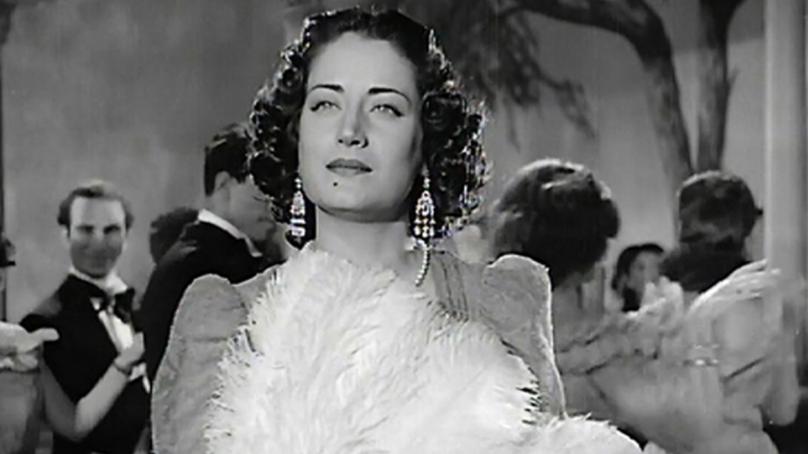
A “Kayan 24” exclusive
On the bright side of the life of the Syrian and Arab singer and actress “Asmahan” was the radiance of a star who shone in record time, captivating the artistic scene and the environment that embraced her. She took confident steps toward stardom during a period dominated by great art giants, singers, composers, and prominent artistic figures.
On the dark side of the late Asmahan's artistic and social journey lies a great mystery surrounding the secrets of her death in a water canal, while she was on her way to the coast for a period of rest and recuperation during the filming of the movie “Gharam wa Intiqam” (Love and Revenge). What kind of love was it that plucked the life of a girl in the prime of her youth? And what kind of revenge ended her life before she could complete her leading role, and the cycle of the water of life, at a moment in art deeply linked to the historical and social events occurring before the mid-1940s, at the height of the intense Anglo-Gaullist conflict, and at a moment of escalating social and familial problems and intersecting interests to end the career of an artist who occupied a large space on the artistic level in singing, music, and acting, and on the social level in connection, beauty, charm, and nights out? Or perhaps the water swallowed her mirage in that canal, according to what has been said in her biography and the end of her journey?!
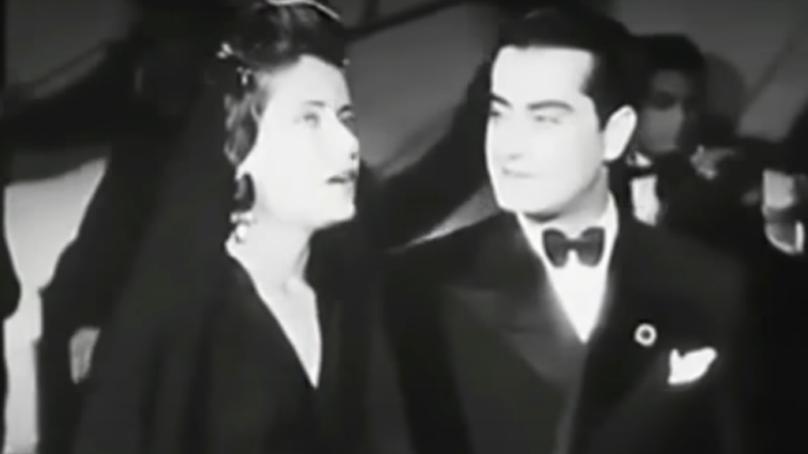
The Angelic Voice
Amal Fahd Al-Atrash, known artistically as Asmahan, is considered a problematic artistic figure; much has been said about her, and many rumors, tales, and stories have been attributed to her. Despite everything said or that may be said, Asmahan remains a unique imprint in the world of singing. She possessed an angelic, melodic, and sweet voice that captured the attention of the greatest composers, poets, and artists, especially since her voice and performance impressed the great Egyptian composer Dawoud Hosni. He discovered her extraordinary talent during a visit to Asmahan's brother, the late musician Farid Al-Atrash, and was so impressed by her voice that he embraced her and gave her the name “Asmahan,” named after a singer he had been training who died before gaining artistic fame.
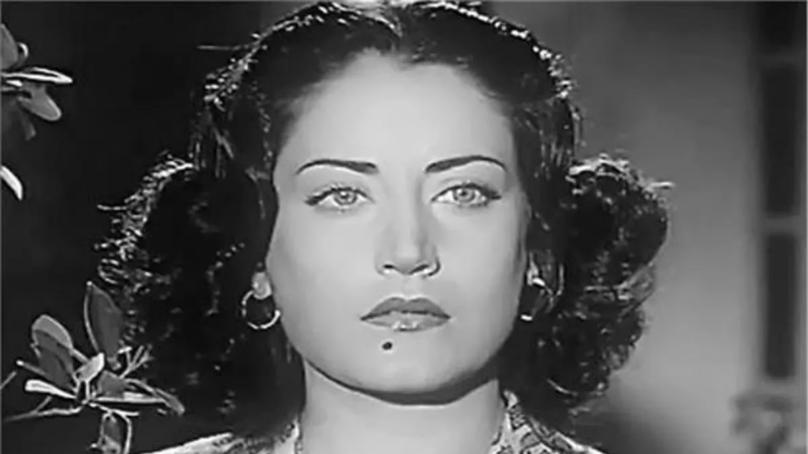
Birth on a Steamer
On board a steamer crossing the sea to take her family from Turkey to Beirut, Amal Al-Atrash was born in 1912. The family later moved and settled in Syria until her father passed away in 1924. This prompted her mother to leave Syria during the outbreak of the Great Syrian Revolt, where she took her children and went to settle in Egypt, the “Mother of the World,” as it was called.
In that country, Asmahan's artistic journey began alongside her brother, the great musician and artist Farid Al-Atrash, who guided her and composed her most beautiful songs.
Asmahan was granted Egyptian citizenship, but lost it upon marrying her cousin, Hassan Al-Atrash, when she moved to Syria. In 1933, she stopped performing for nearly six years due to her husband's conditions. Following disputes between them, she returned to Egypt in 1939 to regain her artistic brilliance and enter the world of cinematic acting. In 1941, she starred in her first film, “Intisar al-Shabab” (Youth Victory), sharing the lead role with her brother Farid Al-Atrash and participating in the film's songs.
Fame in Egypt
In Egypt, she sang alongside famous female singers of that time, such as Umm Kulthum, Najat, Laila Mourad, and others.
Asmahan began participating with her brother Farid Al-Atrash in singing at the Marie Mansour hall on Emad El-Din Street, performing and holding concerts. This followed a successful singing experience alongside her mother at weddings, events, and on local radio, where her star shone in the firmament of Arabic music and romantic songs.
It is said that Mohammed Abdel Wahab said of Asmahan when she was sixteen: “Asmahan is a young girl, but her voice is the voice of a mature woman.”
She had previously participated with her voice in some films, such as the movie “Yawm Said” (A Happy Day), where she sang with Mohammed Abdel Wahab in the operetta “Majnoun Laila.” She also recorded the song “Mahla-ha Aishat al-Fallah” in the same film, note that the song was composed by Mohammed Abdel Wahab, who later recorded it himself. She also recorded the song “Layta lil-Buraqi Ainan” in the film “Laila Bint al-Sahra” (Laila, Daughter of the Desert).
Asmahan worked with a group of composers, refusing the idea of being limited to one composer. She brilliantly performed timeless melodies by her brother Farid Al-Atrash, singing his two most famous songs for her: “Layali al-Uns fi Vienna” (Nights of Joy in Vienna) and “Ana Ahwa” (I Love) from the movie “Gharam wa Intiqam.” She also sang for Riad Al-Sunbati “Ya Le-Aynayki” (Oh, for your eyes), “Qurtuba al-Gharra” (The Radiant Cordoba), and “Al-Dunya” (The World), as well as her song from the movie “Gharam wa Intiqam,” “Ayyuha al-Na'im” (Oh Sleeper).
She also shone in songs composed by Mohammed El Qasabgi, including: “Ya Tuyour” (Oh Birds), “Isqiniha” (Pour it for me), “Kalima Ya Nour al-Ayn” (A word, oh light of my eyes), “Farraqa Ma Baynana al-Zaman” (Time separated us), “Kunt al-Amani” (I was the wishes), and “Hal Tima al-Baan,” along with two songs from the movie “Gharam wa Intiqam”: “Imta Hata'raf” (When will you know) and “Ana Illi Astahel” (I am the one who deserves it).
During the filming of “Intisar al-Shabab” in 1941, she met director Ahmed Badrakhan, whom she married in a customary (urfi) marriage. Their marriage quickly collapsed and ended in divorce, without her being able to regain the Egyptian citizenship she lost when she married Prince Hassan Al-Atrash. She then married “Ahmed Salem,” with whom she suffered marital problems. It is said that a major dispute occurred between them before her death, to the extent that many speculations point to their responsibility for her death.
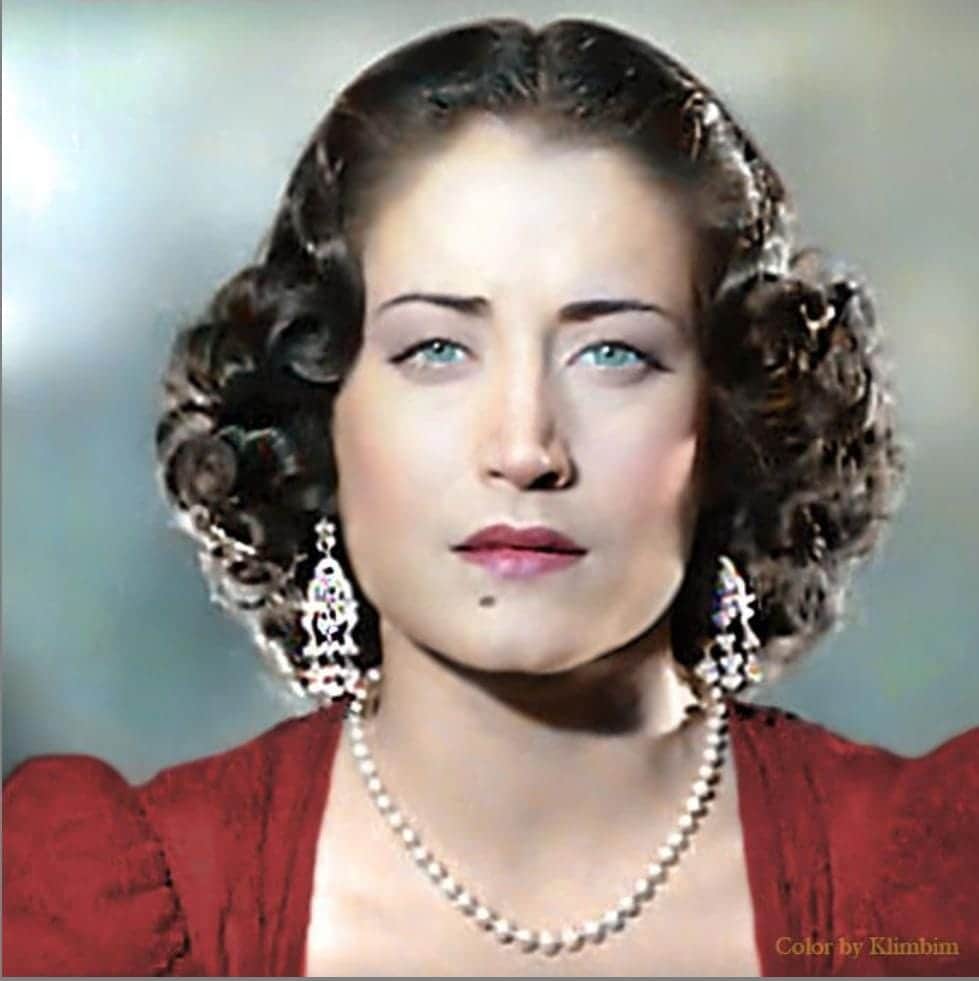
Tragic End
It was as if the finger of fate was drawing an early and tragic end for her in her second and final film, “Gharam wa Intiqam” in 1944, alongside Youssef Wahbi, Anwar Wagdi, Mahmoud El-Meliguy, and Bechara Wakim, and fate willed that she record some of her most beautiful songs in it.
At the age of 32, at the peak of her fame, distinction, and giving in Egypt, the artist Asmahan was killed in a mysterious car accident with her friend after her car fell into a water canal. The driver survived and disappeared from view, leaving fingers of accusation pointed at more than one party, and there are many theories about the cause of the accident. However, fingers of accusation remained pointed at many entities.
In 1941, it is said that Asmahan worked with British intelligence, as she played a key role in convincing the leaders of Jabal al-Arab not to confront British and Gaullist French armies. The goal was to liberate Syria, Palestine, and Lebanon from the French Vichy forces, as at that time, the French government was merely a puppet in the hands of the Nazis who had occupied France.
While her life ended at an early age and her artistic career was very short, she remains to this day one of the most prominent classical faces of Arab art at the beginning of the twentieth century.