

Exclusive to “Kayan 24”
The voice that the generations of the eighties and nineties grew up with and loved remains ingrained even today. “Grendizer,” the hero, was voiced by a “hero’s voice.” The voice of Lebanese artist Jihad Al-Atrash.
Jihad Al-Atrash was born on August 28, 1943. He wanted to study aviation and loved the field, dreaming of becoming a pilot, but his passion for art was greater.
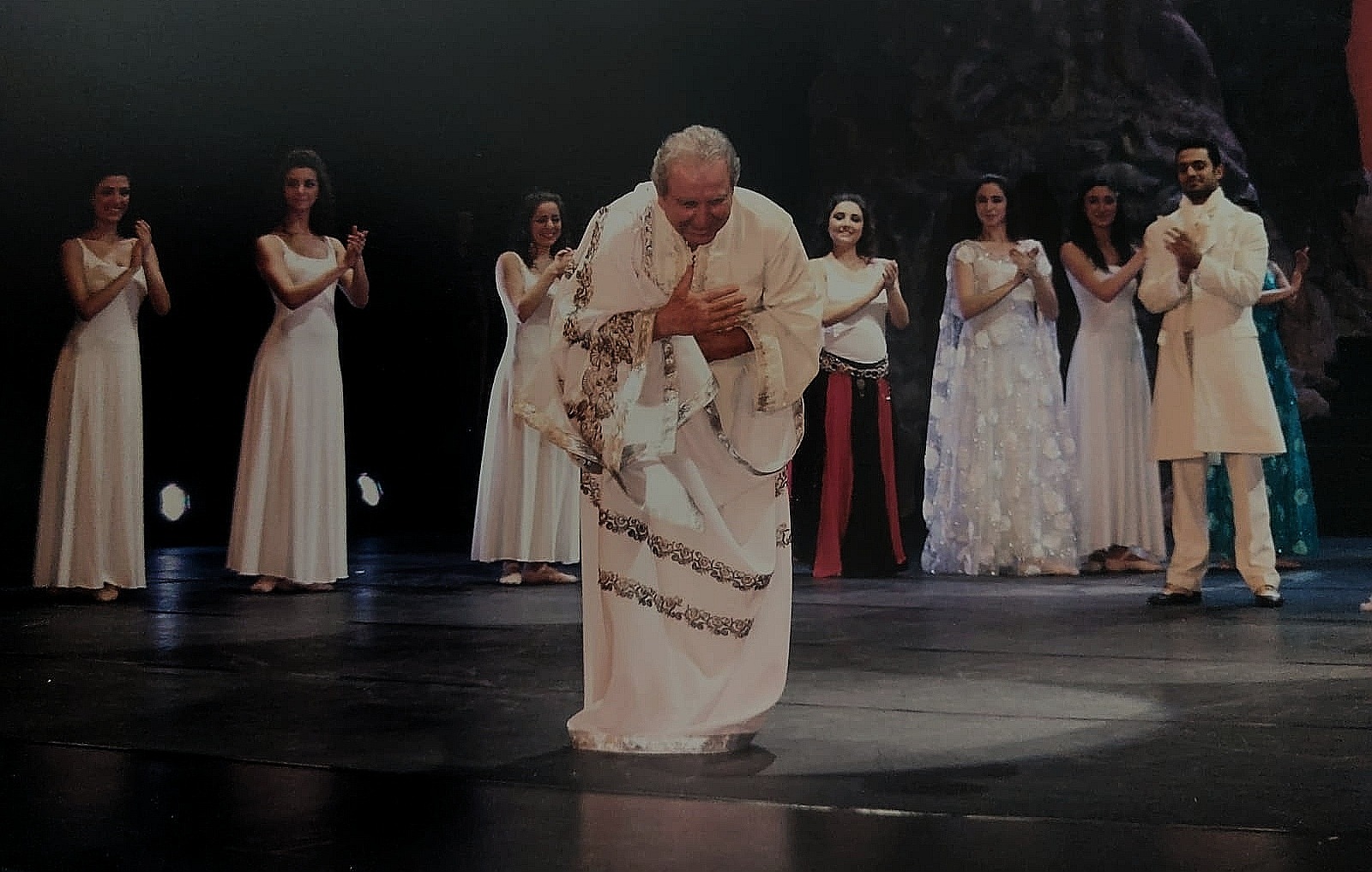
He began his artistic career in Lebanese radio with small roles before director Chakib Khoury, who believed in his talent, chose him to play a lead role in the radio program “Al-Malik bin Dhi Yazan,” which marked his true artistic breakthrough. He then moved to television with director Bassem Nasr in the program “Ibn Shari’.” The journey continued, and he subsequently participated in many series, embodying, through his primary roles, important figures who left a significant mark on Arabic poetry, literature, science, and philosophy. He also had various experiences in cinema and theater.
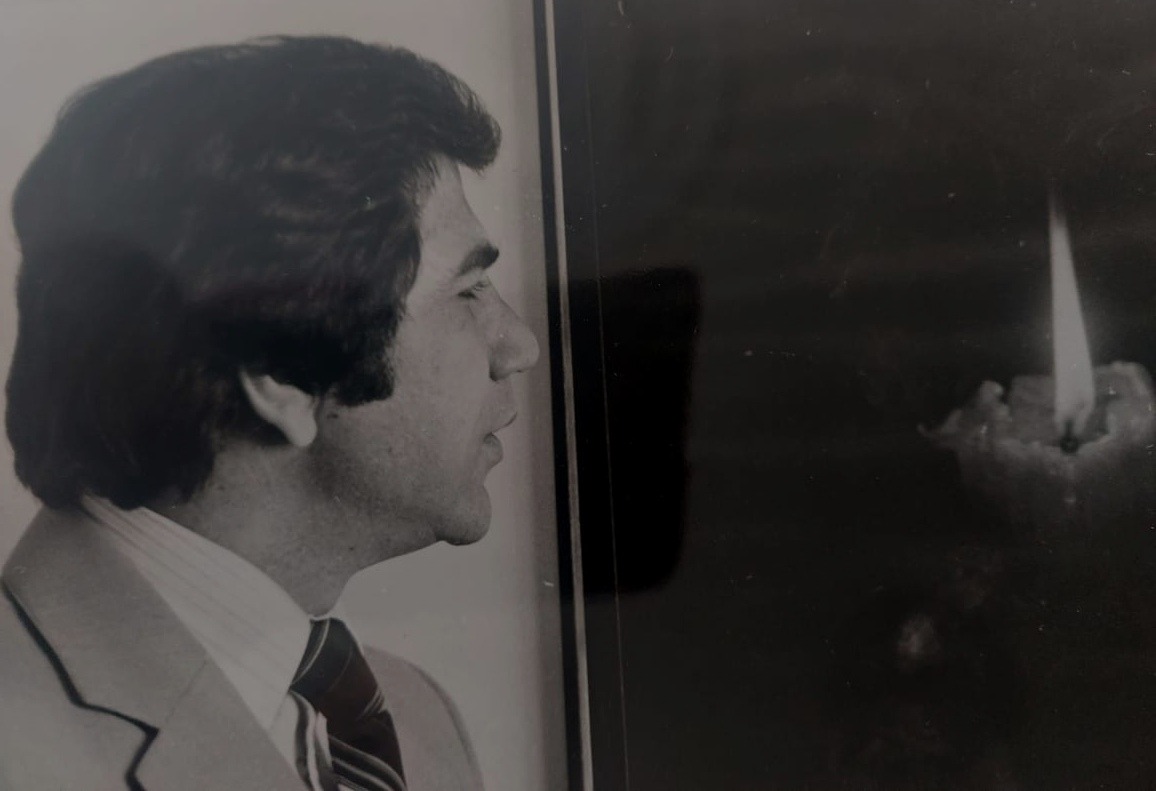
He is one of the most important Lebanese actors who played a significant and fundamental role in enriching Arab art in general and Lebanese art in particular, through his radio and television works and the dubbing of foreign films and series. He used his voice to embody animated characters that spread widely, most notably the character of “Duke Fleed” in the famous cartoon series “Grendizer,” and he also provided his voice for many documentary programs. He also participated in one of the most successful songs by the retired artist Adham Nabulsi, “Noskhet Mennak,” enriching every word of the poet Ali Al-Mawla and adding beauty to its beauty.
Lebanese and Arab Drama
Al-Atrash is considered one of the most prominent actors who contributed to the establishment and dissemination of Lebanese and Arab drama. He began his artistic path in 1962, and about this stage, he says, “We were working live, and there was a high level of cooperation between writers, directors, and actors, which contributed to the development of drama in a later phase. (Télé Liban) produced, specifically for the Arab world, the entire Arab heritage in terms of writers, poets, philosophers, and thinkers, and we performed all these roles live on air. I was fortunate because I played 90 percent of these characters, as the directors were impressed by my pronunciation and performance. Everyone who succeeded in performing in Arabic started from the radio specifically. However, in my childhood, I was fascinated by airplanes, and I felt amazed when I watched this massive object taking off from the runway and then flying into the air, soaring high before disappearing from sight. If I hadn't succeeded in acting, I would have chosen to be a pilot, and even now, the airplane still amazes me.”
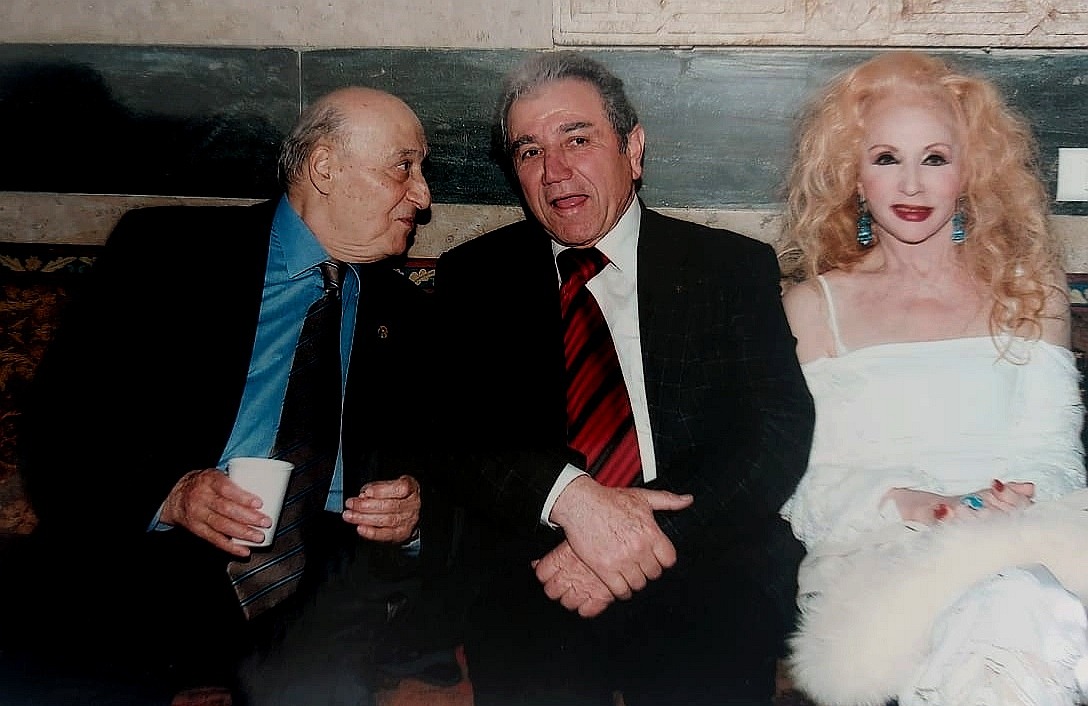
Al-Atrash has been honored on several occasions. Most recently, Al-Atrash was honored by the College of Islamic Da'wah at the Al-Azhar Center for his acting roles through which he embodied many figures from Arab and Islamic heritage and numerous Arab scientists and philosophers. The Al-Azhar invitation had an influential impact on him, and he expressed his joy, saying: “I loved the recognition at Al-Azhar, as it is enough that I embodied the most beautiful roles for comprehensive Arab philosophy, heritage, and Arabic poetry. Knowledge is very important, and I have likened it to joy, and I hold fast to the culture moved by the voice of thought, awareness, and actual and true belonging. The most important global revolutions were cultural, moved by a word.”
As for today, having become a reference in elocution and performance, he works in the field of training on elocution in the acting and media arena. Regarding his future works, Al-Atrash recently revealed his recording of the documentary “Hajj: Rituals and Lessons,” and he continues to record documentaries dealing with mosque Imams in the Kingdom of Saudi Arabia.