

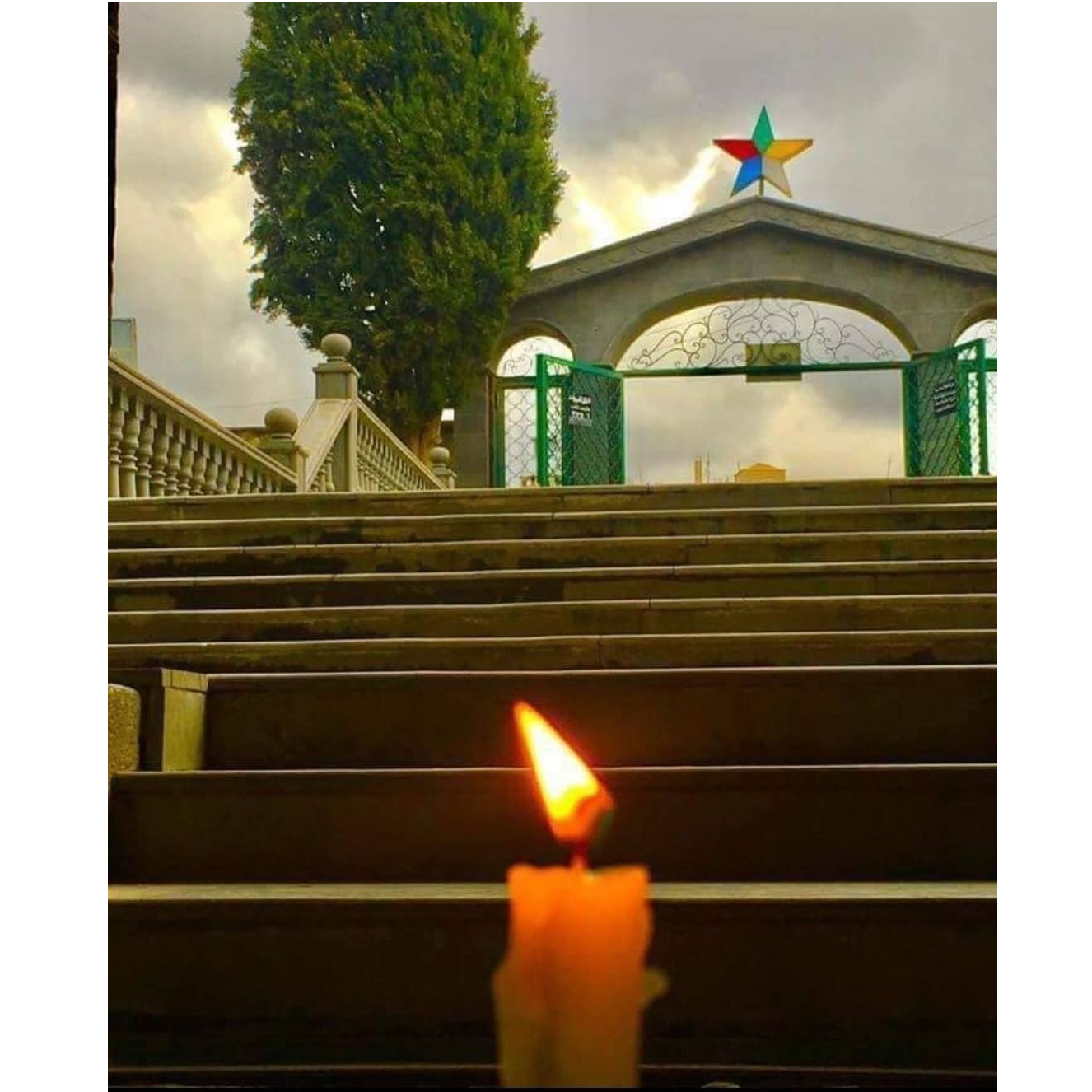
The city of As-Suwayda in Syria is distinguished by a rich history and an ancient cultural heritage. Among the landmarks that stand out in this charming city is the “Ain al-Zaman” shrine. This shrine is considered a historical and cultural symbol that embodies numerous stories and events that shaped the course of the city's development and its people.
History of the Shrine
It is believed that the “Ain al-Zaman” shrine dates back to the Byzantine period, having previously served as a place of worship and social gatherings. With the development of the city and the expansion of its borders over time, the shrine became part of As-Suwayda's urban fabric.
The Role of the Shrine
The “Ain al-Zaman” shrine shone with its diverse history filled with significant events. In the past, it was a venue for resolving disputes and conflicts among individuals, making it a pivotal center in the life of the local community. Additionally, it was used to repel invasions and resist colonial rule. Over the ages, leaders and rebels gathered there during the Great Syrian Revolt to consult and coordinate efforts.
Restoration of the Shrine
The “Ain al-Zaman” shrine sustained damage during various periods of its history. It was bombarded during the Great Syrian Revolt in the 1920s and was later restored by Sheikh Hassan Jarbou. In addition to the restoration, the shrine was repurposed as an educational religious school. The Holy Quran, the Arabic language, and Islamic legal sciences were taught in this sacred place.
Community Unity
The “Ain al-Zaman” shrine represents not only a rich history and cultural heritage, but also reflects the unity of the community of the Druze Unitarian sect in As-Suwayda. People gather at this shrine for religious, social, and cultural purposes. It is also used to provide social assistance and distribute food rations to the poor and needy families. It is a place of unity and cohesion among various segments of As-Suwayda's society.
The “Ain al-Zaman” shrine is a living symbol of history and culture in As-Suwayda. It bridges heritage and the present, reflecting a multifaceted role in promoting education and communal unity. This shrine reminds us of the importance of preserving heritage and utilizing it to foster charitable work and education in the community.