
Kayan 24 Exclusive
The late Sheikh al-Aql of the Unitarian Druze community, Muhammad Abu Shaqra, is remembered for his proud, courageous stances and the wisdom and exceptional nature of his decisions at various junctures and during decisive and fateful moments in the history of Lebanon and the Unitarian Druze community.
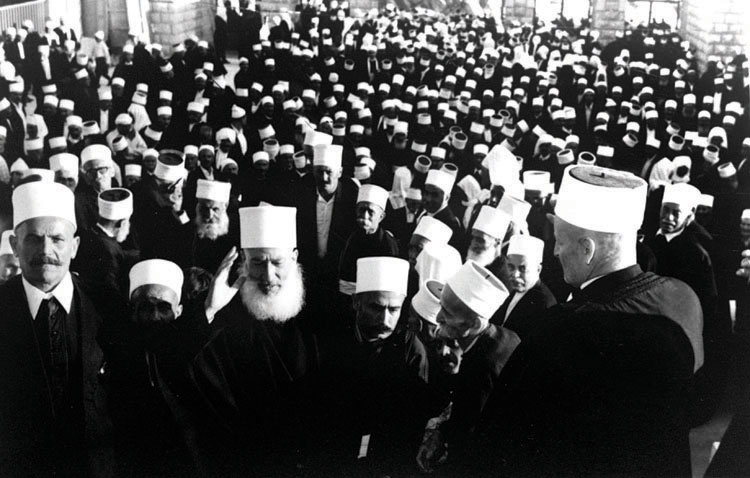
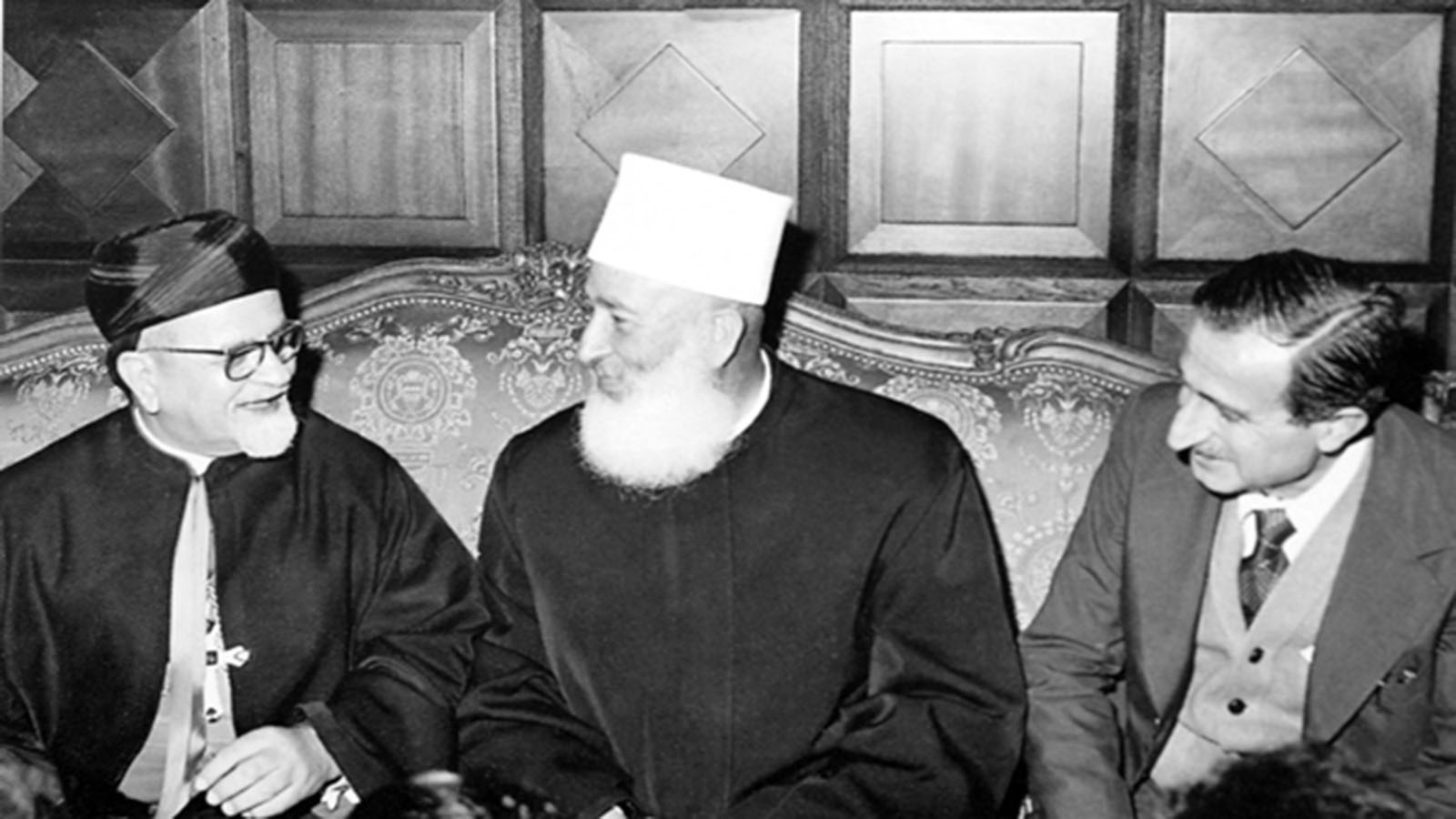
Through his wisdom, patience, and deep insight, he was able to build a bridge of unity on the Islamic level in general, and on the level of his own Druze community in particular. He sought, on several occasions, for this bridge of wisdom, discernment, and open-mindedness to serve as a crossing point between all sects and components of the nation. His participation in most of the spiritual summits held in Lebanon was not merely the ordinary participation of a sect leader; rather, it was a balanced and influential participation possessed of a vision, program, proposals, and solutions. His presence was impactful, effective, and transformative, leading to recommendations that served the supreme national interest and cemented and strengthened relations between different sects.
Prominent Influence
Furthermore, His Eminence had a prominent influence on issues surrounding Lebanon and affecting it. He stood firmly, steadfastly, and with deep conviction by the side of the Palestinian people's cause and their rights usurped by the Israeli entity, as well as their natural right to liberate and reclaim their land. He also adopted the positions of the late leader Gamal Abdel Nasser, stood by national and popular movements, and supported the right of Arab peoples to self-determination, while upholding national and Arab positions in Syria and the Arab region and rejecting the annexation of the Golan Heights by the usurping Israeli entity.
In Damascus
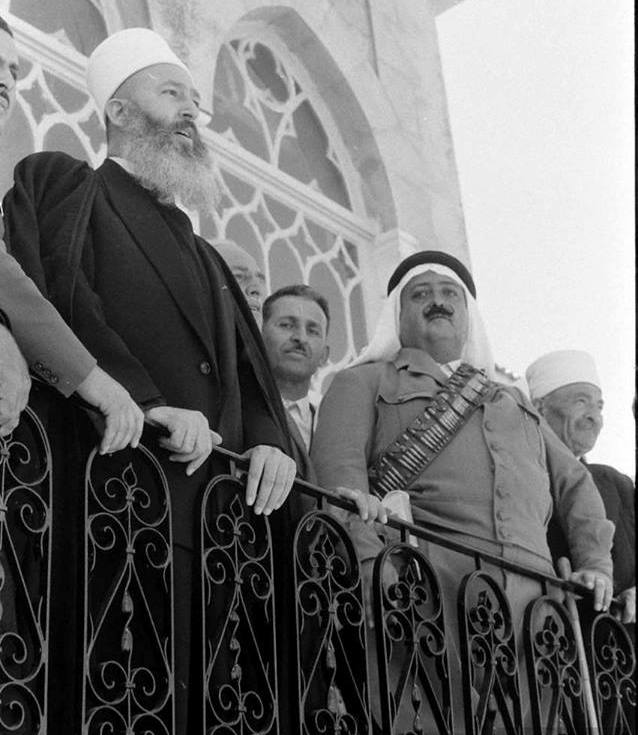
Sheikh Muhammad Abu Shaqra was born in the Shouf town of Ammatour, one of the villages in the Mount Lebanon Governorate, on March 2, 1910. He received his primary education there. In 1923, having reached the age of thirteen, he joined his father, Sheikh Daoud Abu Shaqra, who was engaged in trade in Damascus, and continued his education in its schools. He then joined the Great Syrian Revolt led by Sultan Pasha al-Atrash in 1925 against the French. Having turned sixteen, he entered the fray, embodying exceptional merit and recording the most magnificent acts of heroism alongside his fellow mujahideen.
Fire consumed the warehouses and the commercial store owned by his father in Damascus on November 17, 1925, when it was attacked by rebels, and volunteers in the French army had looted his home in Jaramana, in Jabal al-Druze, leaving his father in a difficult and desperate financial situation.
Sheikh Abu Muhammad Daoud settled in the town of Jaramana for a few years, then moved to the town of Hayneh in 1928, belonging to the Qatana district, Wadi al-Ajam, in Jabal al-Druze, and engaged in agriculture and plowing. His son, Muhammad, worked in trade and built a house in Hayneh. He was twenty years old when he married his cousin, with whom he had two daughters and four sons: Nabih (engineer), Nazih (emigrant), Suleiman (lawyer and notary public), and Mufid (retired department head).
Immortal Imprints
Sheikh Muhammad Abu Shaqra left immortal imprints and luminous pages regarding major achievements in building Druze institutions and implementing organizational and reformatory measures that launched a new dynamic within the community on more than one level.
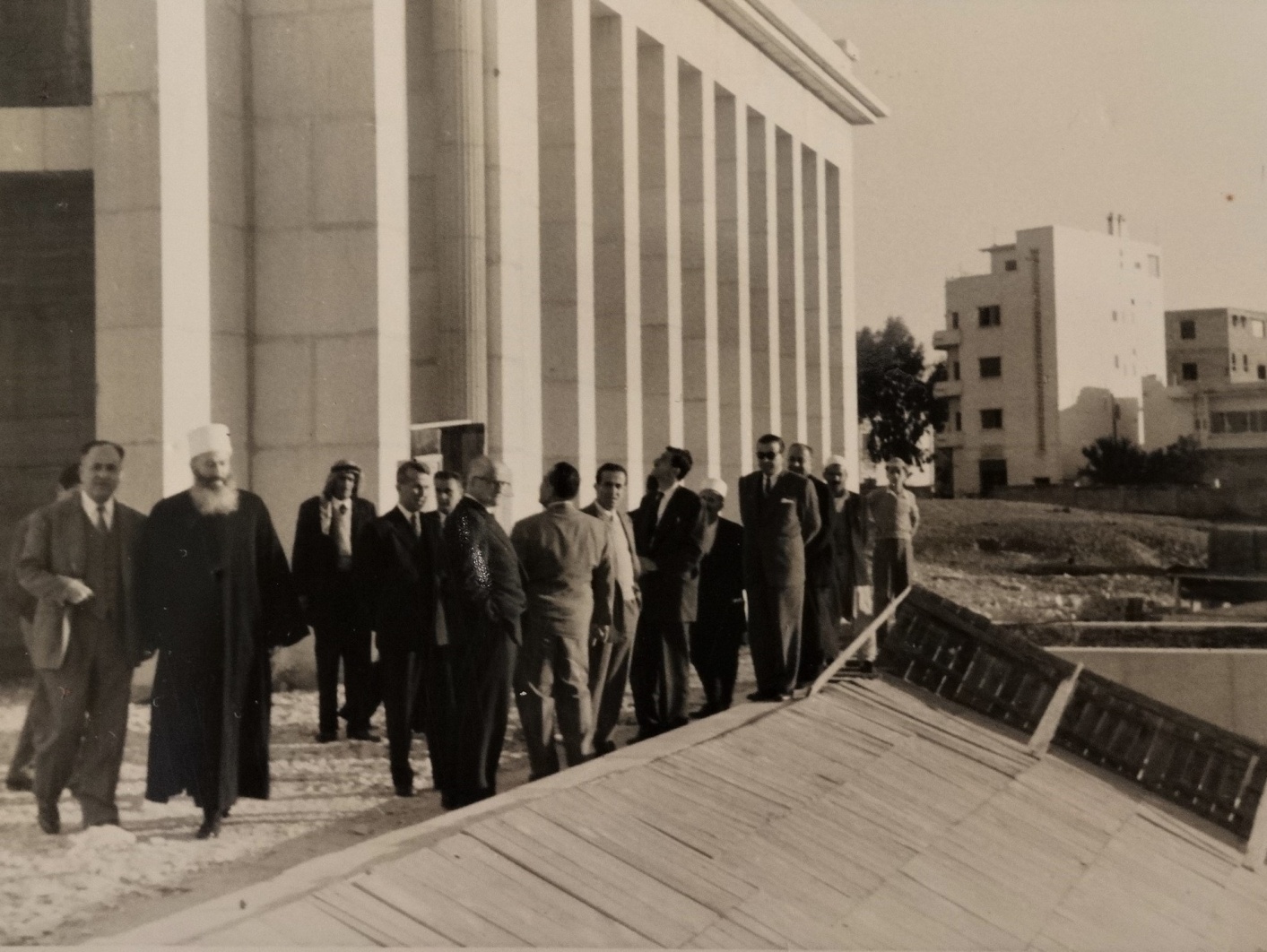
He established the Druze Community House in Verdun, Beirut, to serve as the headquarters for the Sheikhdom of the Aql, community institutions, and a venue for spiritual meetings, various conferences, and occasions. He made great efforts to collect donations, contributions, and grants in Lebanon and abroad to construct this great edifice and provide the means to assist the needy and provide social services. He established the Druze Community Council, assuming its presidency, and also established a General Directorate for Druze Endowments, as is customary among other sects. In 1968, he established the Supreme Druze Court, which was headed by the late Sheikh Halim Taqi al-Din; these decisions had a profound impact on organizing the affairs of the community, securing its national rights, and integrating it into state institutions.
Among the Sheikh al-Aql's imprints was the construction of "Al-Ma'roufiyah" in the area of Ain Aanoub to serve as a headquarters for the immigrants from Jabal al-Druze in Syria, in addition to securing housing for families of the Druze community in Wata al-Musaitbeh after a crisis with the government and some rulers at the time.
Ain Wazein Hospital
With his signature, Sheikh Muhammad Abu Shaqra added a dazzling development and service imprint, manifested in the establishment of the health institution in Ain Wazein, Shouf district, in 1983. He had overseen the organization of a donation campaign to support this health institution in the Shouf and made exceptional efforts to secure medical, hospital, and nursing equipment for it, in addition to constructing modern buildings around this health edifice. He also restored and renovated buildings at religious sites, including the Maqam of Prophet Ayoub and the Sharif Maqam, and restored and rebuilt the Maqam of Prince al-Sayyid Abdullah al-Tanoukhi in Abey, which had suffered cracks and partial collapse during the Lebanese Civil War.
On the internal level, His Eminence had an effective dynamic for bridging the rift between members of his community and preserving their unity, cohesion, and solidarity against any danger threatening their existence or attempting to tear that unity apart. He supported the positions of the leader of the Progressive Socialist Party, Walid Jumblatt, and stood by his side in the struggle during the Mountain War.
He blessed the positions of the leader Walid Jumblatt and stood by him in his struggle during the Mountain War. His positions were characterized by supporting and assisting the Lebanese national resistance for the sake of liberating the South from the Israeli occupation. He also rejected violence, calling for the use of weapons in their natural location against the occupation. He often called for adopting dialogue to reach common denominators between internal components, and belief in a just and strong state that must be based on equality, values, social justice, and the embodiment of morals and virtue.
Encyclopedic Culture
Although he did not complete his university education, His Eminence acquired an encyclopedic culture in language, literature, jurisprudence, Quranic sciences, religion, and various sciences. He read extensively and engaged in cross-cultural exchange, mastering the art of writing in literature, science, and religion. He authored a book titled "Lubab al-Ulum" (Essence of Sciences), published by the Sheikhdom of the Aql in Beirut in 1980.
Passing
On the morning of October 24, 1991, death turned the page of an honorable Sheikh who wrote lines of pride, dignity, and courageous and wise positions in the history of Lebanon. He was, in every sense of the word, a national and Druze authority, and a Sheikh al-Aql of the great and influential figures in modern Lebanese history.
His town of Baadaran, the Unitarian Druze community, and Lebanon bid him farewell in a solemn popular and official funeral attended by thousands of mourners from all over Lebanon, including Sheikhs, spiritual and religious authorities, political and partisan leaders, and national and union figures. The authorities of the three Islamic sects issued a joint obituary on the day of his passing.