
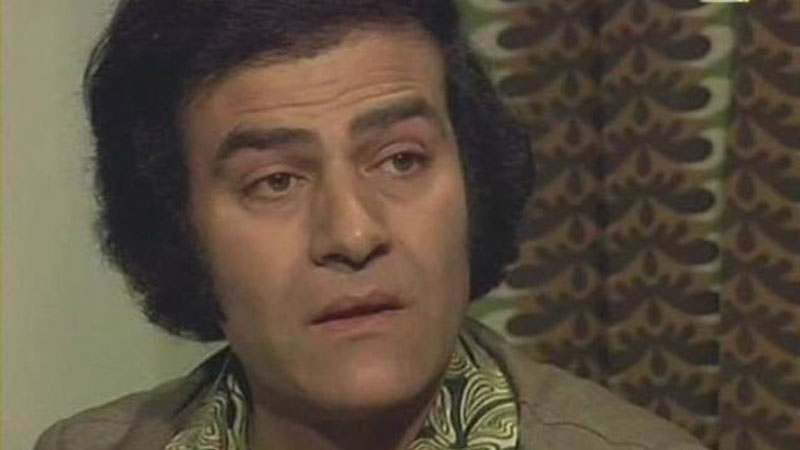
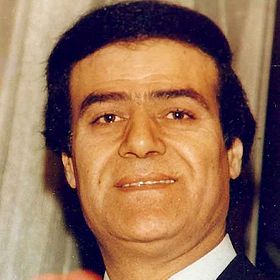
Mahmoud Jabr was a Syrian actor born in the city of Shahba, As-Suwayda Governorate. He was born on December 14, 1935, and passed away on July 17, 2008, at the age of 73. He was a first-class theater artist who left a clear mark on the history of Syrian theater since the 1960s. He was the founder of the Syrian Military Theater, the Syrian National Theater, and a distinguished artistic family. He presented dozens of plays, had his own theatrical troupe, and worked with many Syrian theater companies.
An Artistic Family
Mahmoud Jabr came from a Syrian Druze family of artists. His brothers include the artist Naji Jabr, known as "Abu Antar," and the artist Haytham Jabr. His wife was the artist Haifa Wassef, sister of actress Muna Wassef. His two daughters are the artists Laila and Marah, and his granddaughter is the actress Dana Jabr, daughter of his daughter Hanadi.
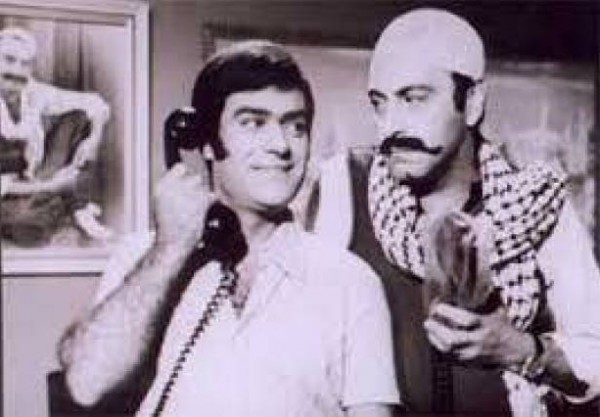
The late artist Mahmoud Jabr mentored several artists who influenced the movement of theater and, later, Syrian drama. Most notably his brother Naji Jabr, famous for the character "Abu Antar," with whom he worked in theater before moving on to work with Duraid Lahham, portraying the villainous "Qabaday" (tough guy) character before transforming into a "good Qabaday" after his work in the Military Theater.
Mahmoud Jabr also introduced the sisters Muna and Haifa Wassef to the Military Theater; the latter later became his wife and mother to his two daughters, Laila and Marah Jabr. Laila graduated from his artistic school.
40 Artistic Works
Mahmoud Jabr presented more than 40 artistic works, spanning theater, cinema, and television, although theater held the largest space in his artistic life, as he presented nearly 19 theatrical works.
The success of Mahmoud Jabr's plays stemmed from his reliance on simplicity and his portrayal of the daily life of the Syrian citizen.
Several plays by the late artist have been published on various websites, some of which are available on YouTube.
He presented several cinematic works in addition to many radio and television productions. He was known for his dedication, energy, and love for theater, and he worked hard to bring smiles to the faces of the audience who loved his art. His theatrical works were known for their distinction, and he had a loyal following, especially in the 1970s and 1980s. He passed away in Damascus on July 27, 2008.