
Prophet al-Khidr (PBUH) is one of the most important prophets in the Druze Tawhid faith, and many sites have been built to commemorate his memory in Palestine, Syria, and Lebanon. As for the sites located within the borders of the State of Palestine, we find them in the village of Kafr Yasif, in the city of Haifa, near the village of Deir al-Asad, and in the town of Daliyat al-Karmel; in addition to a number of sites in the Golan Heights region.
The shrine located in the village of Kafr Yasif is considered the most important site commemorating Prophet al-Khidr (PBUH) in the country, where Druze monotheists visit it on the twenty-fifth of January of each year. This shrine is known as the "Northern Shrine" to distinguish it from the "Western Shrine," which is the Cave of Prophet Elijah in the city of Haifa, and the "Eastern Shrine," located in the town of Al-Ba'neh – which is Deir al-Asad.
Prophet al-Khidr (PBUH) is mentioned and discussed extensively in the Books of Kings "I" and "II" in the Old Testament of the Holy Bible, as well as in the Holy Quran (in Surah As-Saffat (37), for example). According to these two holy books (the Torah and the Quran), al-Khidr (PBUH) lived in the Holy Land during the reign of Ahab and Ahaziah, kings of Palestine, who lived, according to estimates, in the 9th century BCE. Prophet al-Khidr (PBUH) appears in the holy books as a solitary man who loves God Almighty, is keen on believing in His oneness, calls people to it, fights against idolatry, resists injustice, oppression, and vice, and does not hesitate to enter into confrontations and clashes with kings.
Prophet al-Khidr (PBUH) is an important and sacred figure, shrouded in mystery; according to the Druze Tawhid tradition, al-Khidr (PBUH) used to help the weak and the needy, fight for his faith in God Almighty and His oneness, and was famous for his ability to perform miracles and wonders. The miracles performed by Prophet al-Khidr, peace be upon him, formed the basis for many legends and folk tales woven around him. In the Druze religious tradition, this famous prophet symbolizes justice, virtue, generosity, munificence, open-mindedness, courage, and heroism.
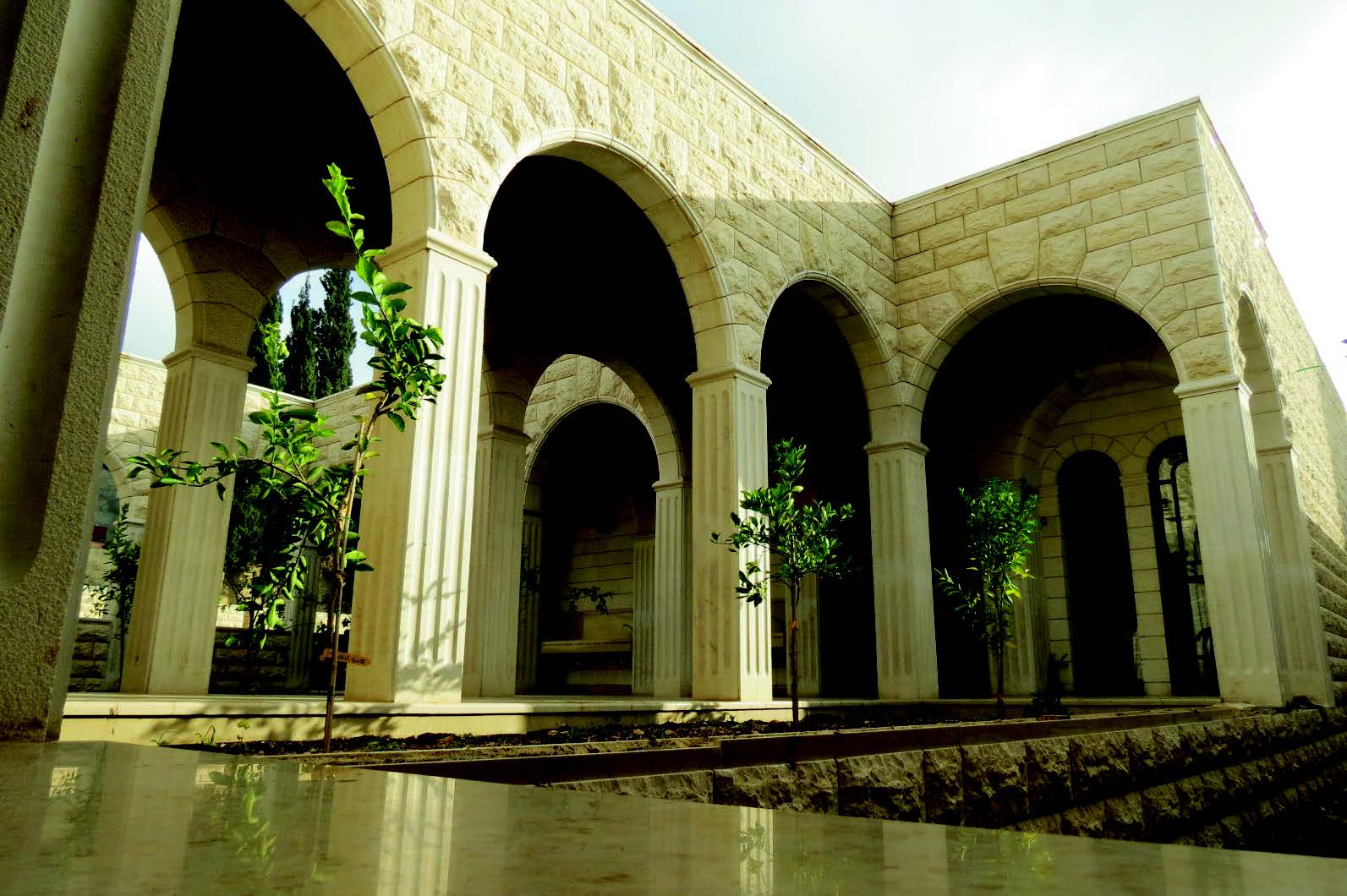
The shrine is located in the village of Kafr Yasif in an area residents call "Tin al-Khidr" (The Fig of al-Khidr). The shrine has very spacious courtyards, trees, a domed shrine room, a Khalwa (prayer hall), and other rooms. According to accounts, Prophet al-Khidr (PBUH) was in this place, and since then his blessing has resided there. There are those who believe that the tomb of al-Khidr (PBUH) is at the site of the shrine, unlike the Jews, who say that Prophet Elijah (al-Khidr) (PBUH) was never buried, but rather "went up by a whirlwind into heaven" (The Holy Bible, Old Testament, 2 Kings, Chapter 2, Verse 11).
One ancient account says that Prophet al-Khidr (PBUH) was called by this name ("al-Khidr," meaning the Green One) because the land would turn green around him when he prayed. There are other names and titles for Prophet al-Khidr (PBUH); his name in the Old Testament of the Holy Bible (the Torah) is "Elijah" or "Elijah the Tishbite"; in the Holy Quran he is mentioned by the name "Ilyas," and he is also called "the righteous man/servant"; as for the Christians and in the New Testament of the Holy Bible (the Gospel), his name is "Elijah" or "Mar Elias."