
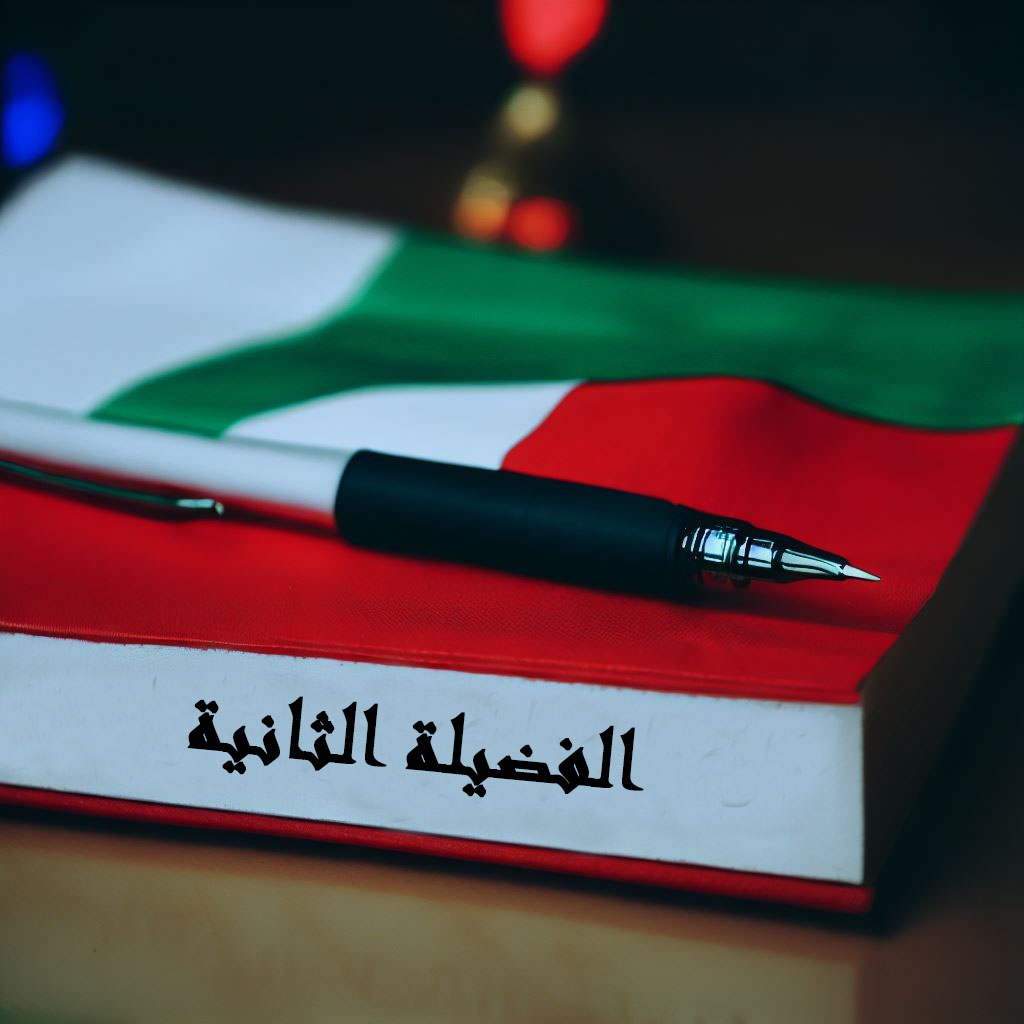
The second virtue in the Tawhid faith is the preservation of brothers.
Belief in the Tawhid faith is the path that organizes the Muwahhidun, acting as the bond that makes them a cohesive group,
an integrated society, and a unified community. The Druze Muwahhidun community is composed of different families, and while not all Druze Muwahhidun know each other personally, there is a long-standing brotherhood that unites them, creating a sense of shared responsibility and mutual solidarity among them.
According to the virtue of the preservation of brothers, the Muwahhid bears the responsibility of defending their brothers in the faith, their honor, dignity, wealth, and property, and refraining from arrogance toward them. This virtue also requires that the relationship between believing Muwahhidun be based on unity and compassion, rather than division and discord. When a dispute arises between two Muwahhidun, it is the duty of the rest of the Muwahhidun to work toward reconciliation and establishing peace, judging between them with justice, fairness, truth, and integrity. It must also be emphasized that a believing Muwahhid should stand by their brother in the faith as long as they are in the right. If the situation is otherwise, there is a moral duty upon the Muwahhid to guide their wayward brother back to the right path after they have strayed from the straight path. It is stated in the Holy Quran: "The believers are but brothers, so make settlement between your brothers. And fear Allah that you may receive mercy." (Surat Al-Hujurat (49), Verse 10).
The virtue of the preservation of brothers is embodied in extending a helping hand to members of the community in times of hardship and during occasions of joy alike. This phenomenon is represented in various forms within the Druze Tawhid society. In funerals, for example, many members of the community participate in the funeral procession and burial ceremonies, and they come to the bereaved family's home to offer solace and condolences. When a member of the community falls ill in a town, many residents—whether close or distant—visit them, wishing them health and safety, and extend a helping hand to them and their family. Conversely, during occasions of joy, such as weddings and other celebrations, family members, neighbors, acquaintances, and friends gather at the home of the hosts, assisting them in preparing for the celebration, decorating the house, helping prepare food, and sharing in their joy. These actions and others like them are considered religious and social duties that fall under the virtue of the preservation of brothers in religion, faith, and community.
Quoted from the Tawhid heritage