
Arabic literature is considered a fundamental component of the Arab cultural heritage, and many poets and writers have contributed to enriching this heritage with their literary works. Among these prominent poets is Salman Naffa, who was famous for his beautiful and deep poems that are fragrant with the spirit of the land and love. In this article, we will take a look at the life and achievements of this poet and his prominent role in Arabic literature.
The Life of Salman Naffa
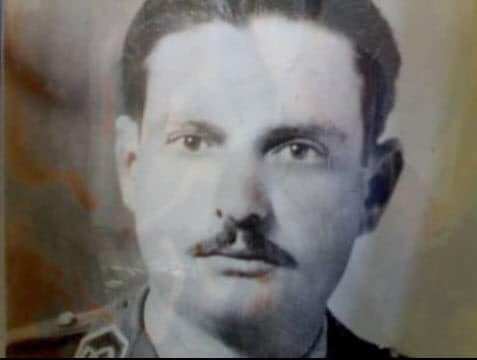
He was born in As-Suwayda, Syria, in 1923. He was part of a simple family working in agriculture and livestock farming. Salman grew up in a rural environment characterized by simplicity and hard labor. Despite this, Salman showed poetic talent at an early age.
He received his literary education from his father, who was also a poet, and his uncle, the poet Ali Naffa. These poet relatives guided him, taught him poetic arts, and helped develop his talent.
He grew up in an atmosphere of love for poetry and literature, and began writing his own poems from a young age. His poems express his personal feelings and experiences, and he had a great interest in emotions and romance.
His Poetic Path
Naffa presented many poems covering a variety of topics and poetic styles. He composed enthusiastic poems expressing his love for the land and the place where he grew up. He also presented sad and deep poems that express his personal experiences and feelings.
Among his most famous works are those that express love and romance. He was famous for the title "Mountain Songbird," and this title reflects his great influence in the world of poetry and literature. In addition to his poetry, Salman was skilled at playing the rababa, and he participated heavily in poetic debates and folk literature.
The Legacy of Salman Naffa
The poet left a strong mark on Arabic literature. His poems express love and nostalgia for the land and the homeland, making them close to the hearts of readers and listeners. His poems are still recited at weddings and celebrations in the regions of Jabal al-Arab, the Golan, and Jordan.
He founded an educated and cultured family, and he had children and grandchildren who followed in his footsteps in the world of poetry and literature. Thanks to his talent and great contributions to Arabic literature, Salman Naffa has become an important part of the heritage of Arabic poetry and its cultural legacy.
The Original Poem (Mahboub Qalbak Bil-Hawa Sammitni)
This poem is by the poet Naffa, written in 1942, and after about 20 years, he gifted it to the late artist Nasri Shamseddine, who sang it at a concert held in the city of Latakia in 1962.
We present it here with its original lyrics (in the colloquial dialect):
Mahboub qalbak bil-hawa sammitni
Wa min ba'ad ma sammitni sammitni
'Allaytni 'ajwanhak fawq as-sama
Wa min ba'ad ma 'allaytni 'allaytni!
...'
You can listen in the attached video to the song "Mahboub Qalbak Bil-Hawa Sammitni" by artist Louay Al-Oqabani... with lyrics by poet Salman Naffa.
In conclusion, it can be said that Salman Naffa was a distinguished poet with his pen and soul, and he expressed love, the land, and the homeland in a delicate and touching style, making him an integral part of the legacy of Arabic literature.