
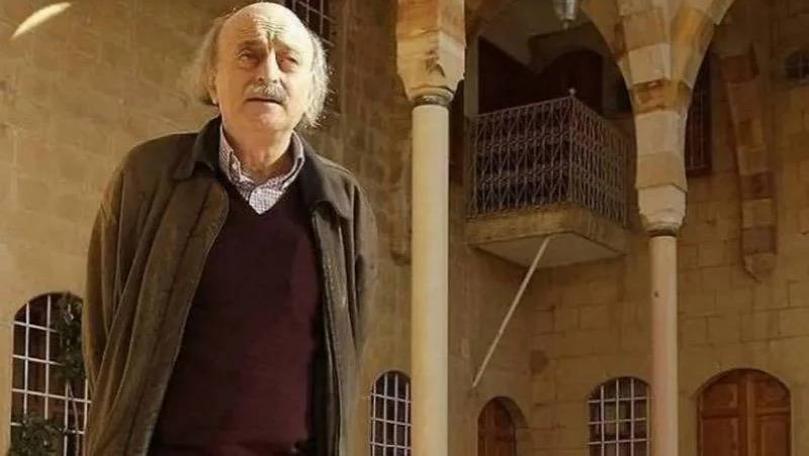
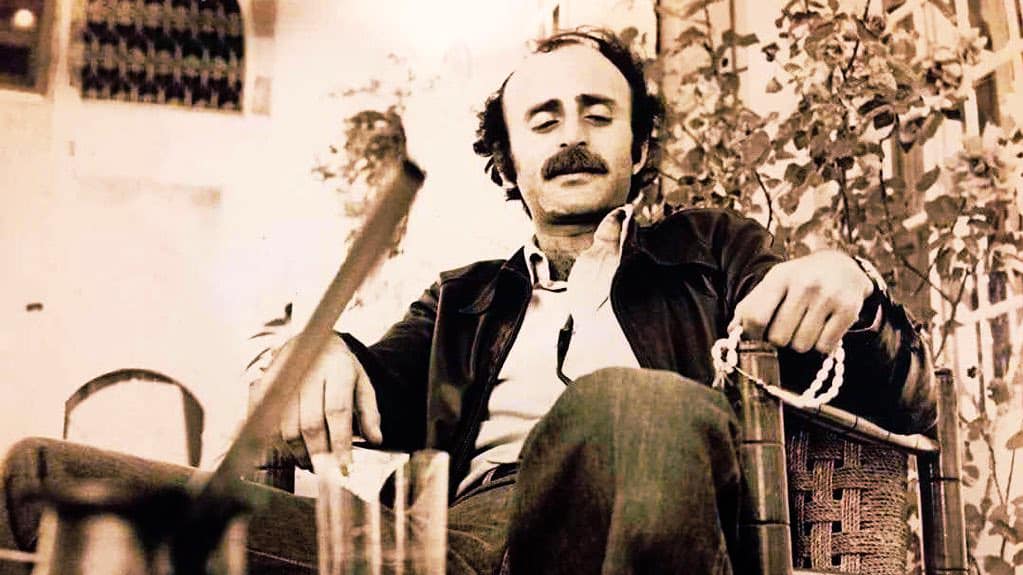
A Lebanese Druze leader with a 40-year political career, which fate decreed would begin the moment his father, the martyr Kamal Jumblatt, was assassinated on March 16, 1977.
Jumblatt, born on August 7, 1949, assumed the presidency of the Progressive Socialist Party after his father's assassination and led it during the Lebanese Civil War. He was one of the founders of the March 14 Alliance and the Cedar Revolution.
He was born in the town of Moukhtara in the Chouf District of Lebanon. His mother is May Arslan, daughter of Shakib Arslan, one of the historic Druze leaders. He completed his primary education at the "French Secular School" in Beirut until 1961, finished his secondary education at the International College in Beirut in 1969, and on July 3, 1973, he obtained a Bachelor's degree in Political Science from the American University of Beirut. He worked for the supplement of An-Nahar newspaper for less than a year and wrote many economic and political articles.
His Family Life
He married Jervette Jumblatt in 1981, and they have three children: Taymour (born 1982), Aslan (born 1983), and Dalia (born 1986).
His current wife is Nora Al-Sharabati, the daughter of the former Syrian Minister of Defense, Ahmed Al-Sharabati.
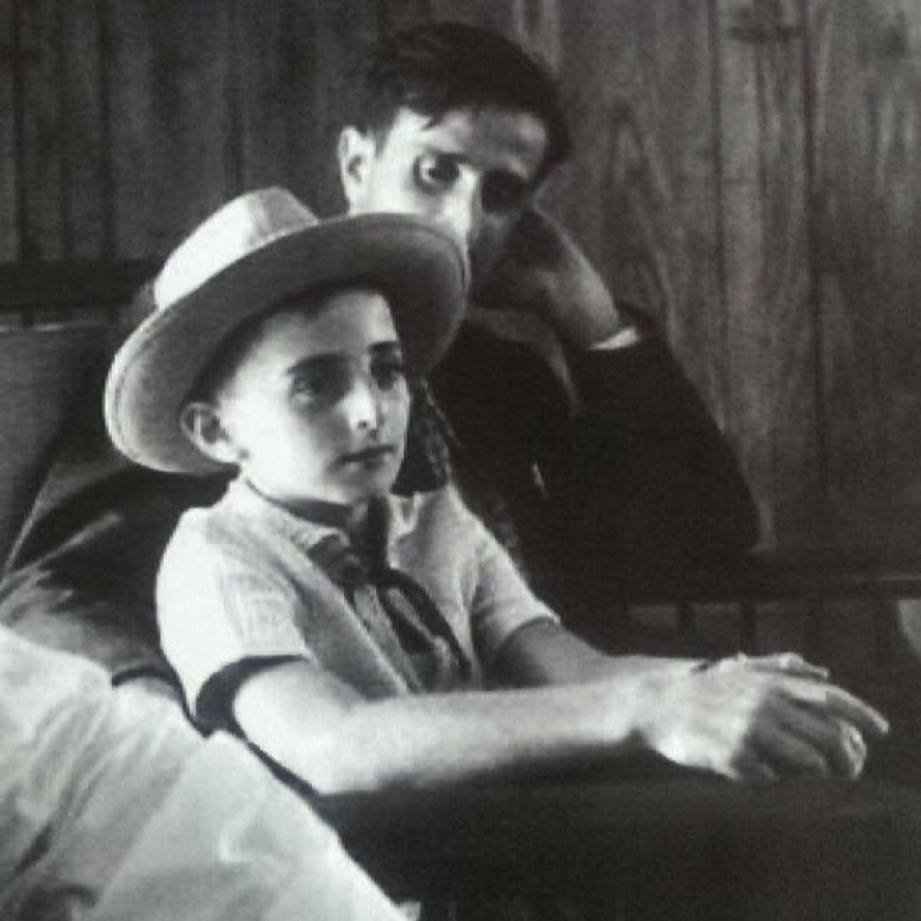
The Lebanon War
He bore the most difficult task after his father's martyrdom, forcing him to enter the turmoil of the Lebanese Civil War at the head of the Socialist Party and the National Movement, defending the Druze community in the Mountain War in 1984 at the head of the Popular Army – the Martyr Kamal Jumblatt Forces. He also participated with Nabih Berri, head of the Amal Movement, in the February 6, 1984 uprising in Beirut, which toppled the May 17 Agreement, and he led the Battle of Souk El Gharb, which he considers to have opened the door to peace and the crossing toward the Taif Agreement that ended the war in Lebanon.
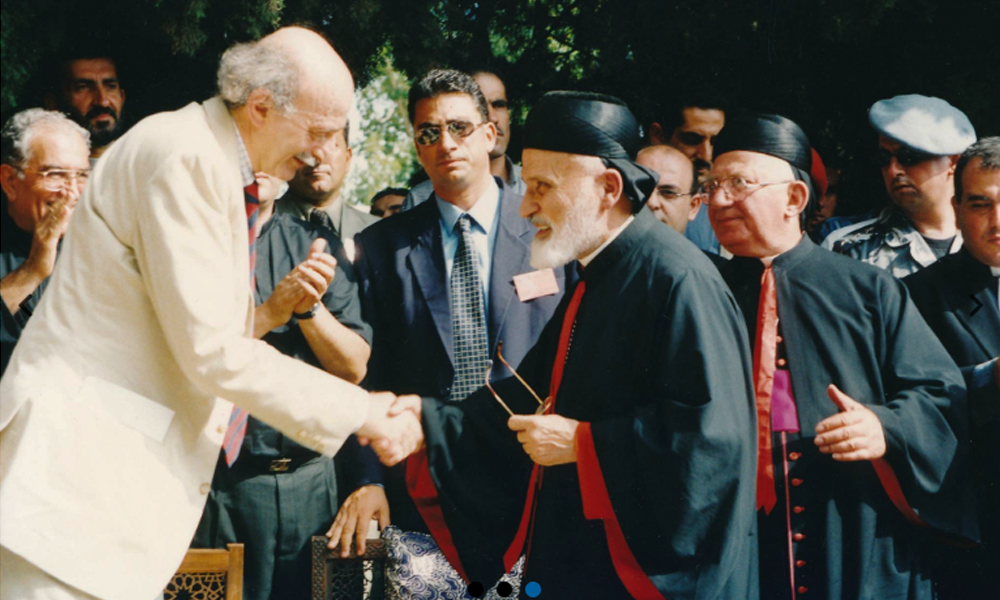
However, Jumblatt was also the pioneer in turning the page on the war through the historic reconciliation he established with the late Maronite Patriarch Mar Nasrallah Boutros Sfeir.
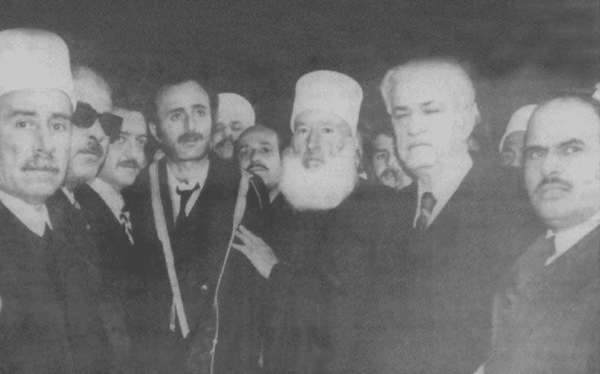
Political Work
After the end of the war, Jumblatt entered the Lebanese Parliament as a member in 1991 following the signing of the Taif Agreement to fill the seats vacated by death, as he was chosen as a replacement for his father, Kamal Jumblatt. He was subsequently elected as a member in all following parliamentary elections until his son Taymour ran in the 2018 elections.
He was appointed as a minister and held several ministries, including:
From April 30, 1984, until September 22, 1988, he served as Minister of Public Works and Transport and Minister of Tourism in the government of Prime Minister Rashid Karami during the era of President Amine Gemayel.
From November 25, 1989, until December 24, 1990, he was Minister of Public Works and Transport in the government of Prime Minister Salim Hoss during the era of President Elias Hrawi.
From December 24, 1990, until May 16, 1992, he was Minister of State in the government of Prime Minister Omar Karami during the era of President Elias Hrawi, and was reappointed to the same position from May 16, 1992, until October 31, 1992, in the government of Prime Minister Rashid Al-Solh during the era of President Elias Hrawi.
From October 31, 1992, until May 25, 1995, he served as Minister of State for the Displaced in the government of Prime Minister Rafic Hariri during the era of President Elias Hrawi, and was reappointed to the same position in the government of Prime Minister Hariri formed on May 25, 1995, which lasted until November 7, 1996, during the era of President Elias Hrawi. He was also appointed to the same position in Hariri's government formed on November 7, 1996, which lasted until December 4, 1998, during the era of Hrawi.
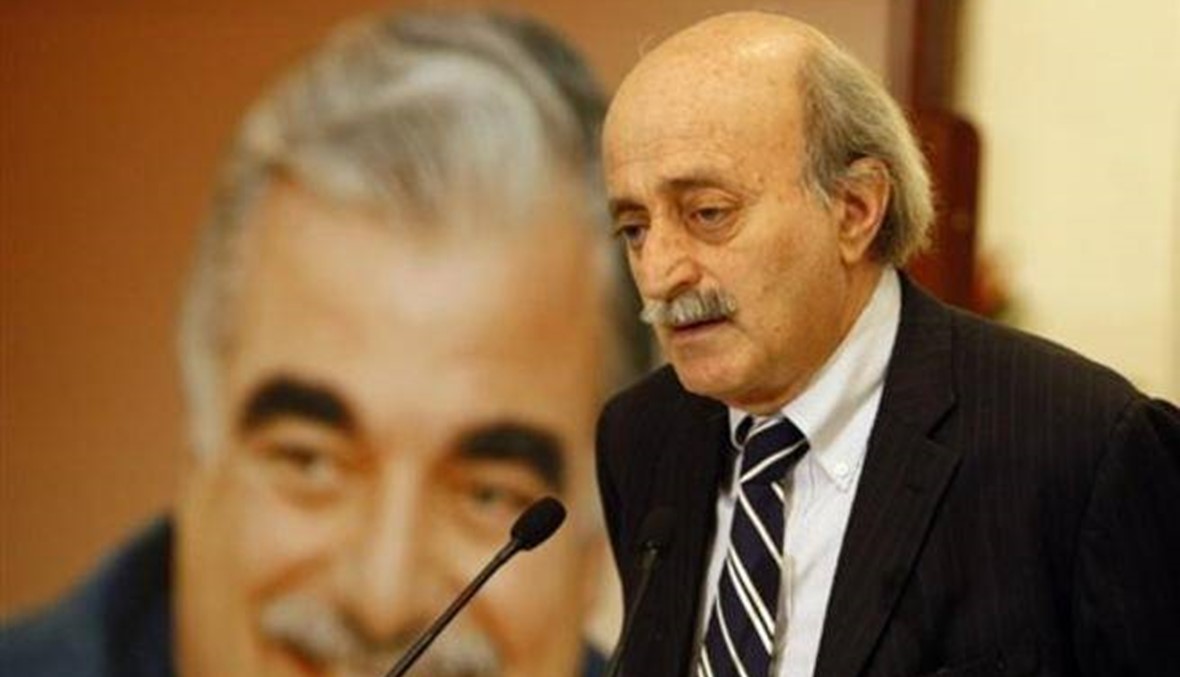
Independence Uprising
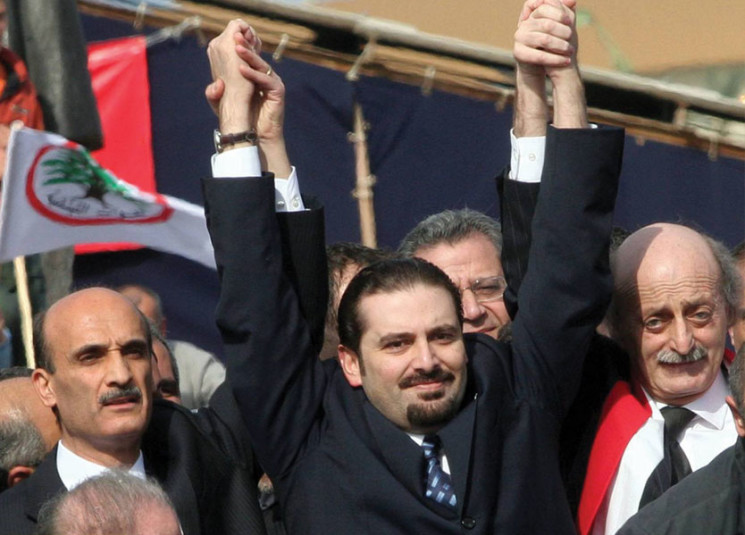
He played a pivotal role in launching the Independence Uprising after the assassination of Lebanese Prime Minister, the martyr Rafic Hariri, in February 2005, and the start of the Cedar Revolution on March 14.
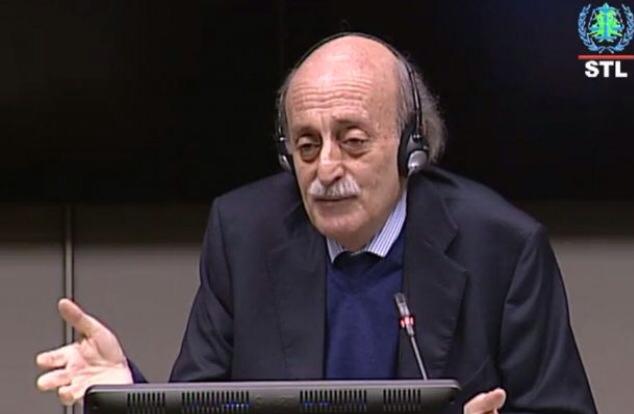
After a difficult period in Lebanon's history that witnessed many assassinations, Jumblatt appeared as a witness before the Special Tribunal for Lebanon, tasked with investigating the Hariri case, on May 4, 2015. His testimony was described as a calm, detailed, and documented narrative, not only for a specific historical period, but as one characterized by facts directly related to the assassination process and the reasons believed to have led to it.
Away from Politics
He chose to step away from political responsibilities by handing over the reins of leadership to his son Taymour in March 2017, and resigned from the presidency of the party in 2023, with Taymour elected as his successor.
Jumblatt is known for his great love of reading; he is a highly cultured personality with a different and unique perspective on approaching and managing events.