
Many know “Abu Assem,” the septuagenarian with the cheerful face, the kind word, the ever-present laugh, and the writer of some prose reflections, but few are those who have come to know Issam Zeidan. For all the longing is there, just like school and love; “Abu Assem” left it all behind on the theater stage one day, and the burdens of life forced him away to another place, to exhaustion and labor for the sake of a decent life, preferring to be a father rather than an artist.
Issam Zeidan, born in 1951, did not graduate from art or theater colleges, but he was born with a talent in his heart and mind that grew with him. From his early youth, he was a child of the stage, which became a part of his personality, and where a creative artist grew. From a young age, he tried to leave his own mark, so he founded an amateur troupe that toured the stages of the “Semiramis” cinema in Ramlet El-Baida, the “Scala” cinema in Furn El-Chebbak, and the “Rivoli” in Nabatieh, moving between various Lebanese regions and theaters.
Television Experience
He ventured into television experience on channels 7 and 11, where he participated in filming many programs, including “Singing Among the Arabs” in the late sixties.
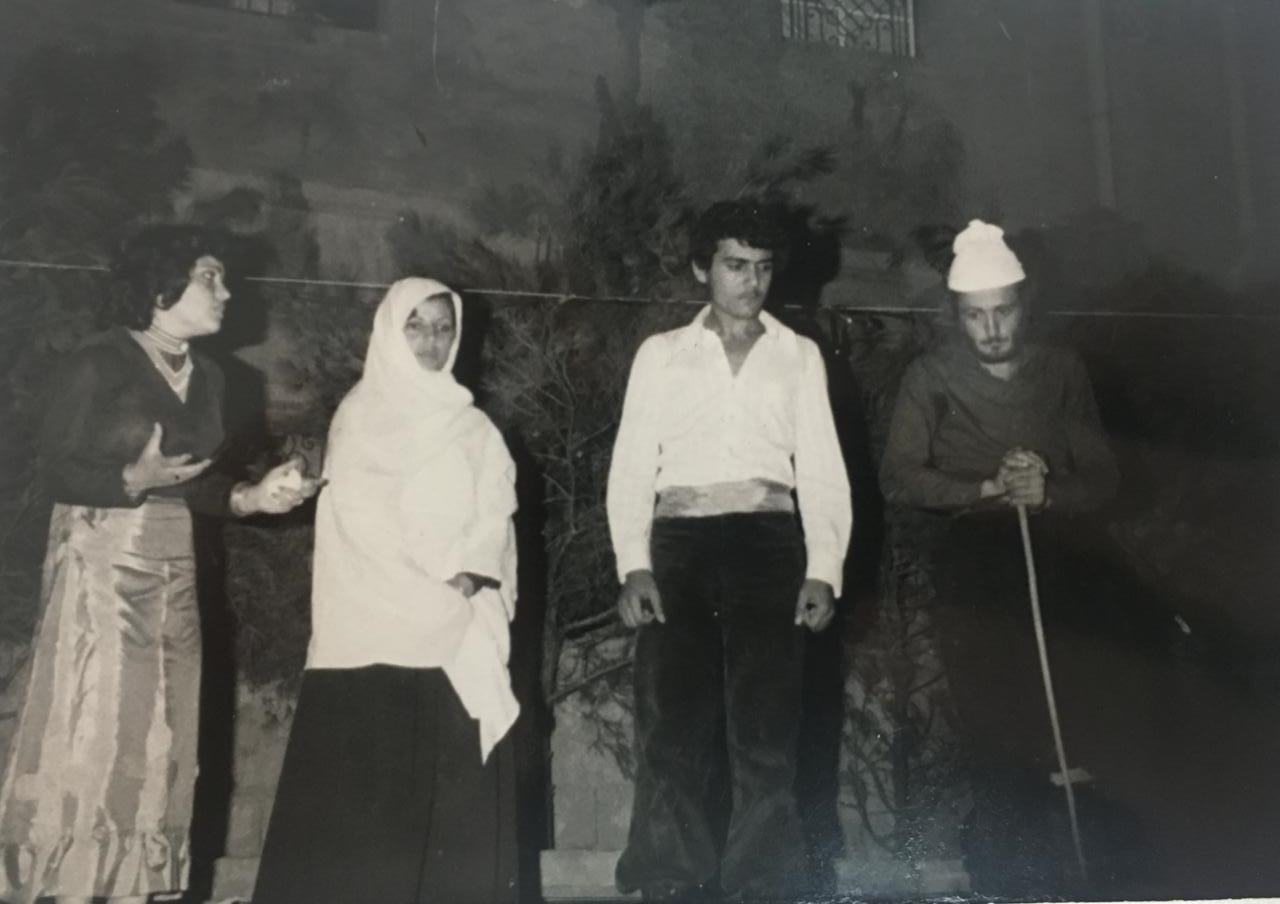
Zeidan's work in his early days was not limited to forming an amateur troupe; he actually wrote two plays. One of them saw the light of day, titled “We Were and Still Are,” which he presented in Aramoun in 1977. All the actors were amateurs, and it achieved great success. He performed it in more than one region, especially in Khalde, Wata El-Msaitbeh, and Ain El-Mraiseh. The play consisted of a theatrical dialogue in addition to poetic and lyrical dialogue.
Companion of Suleiman Al-Basha
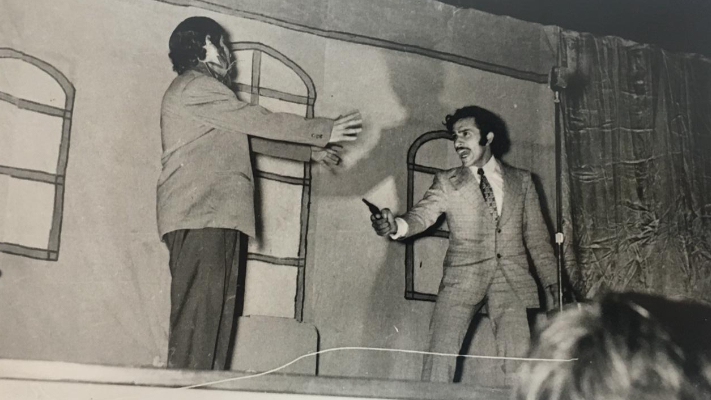
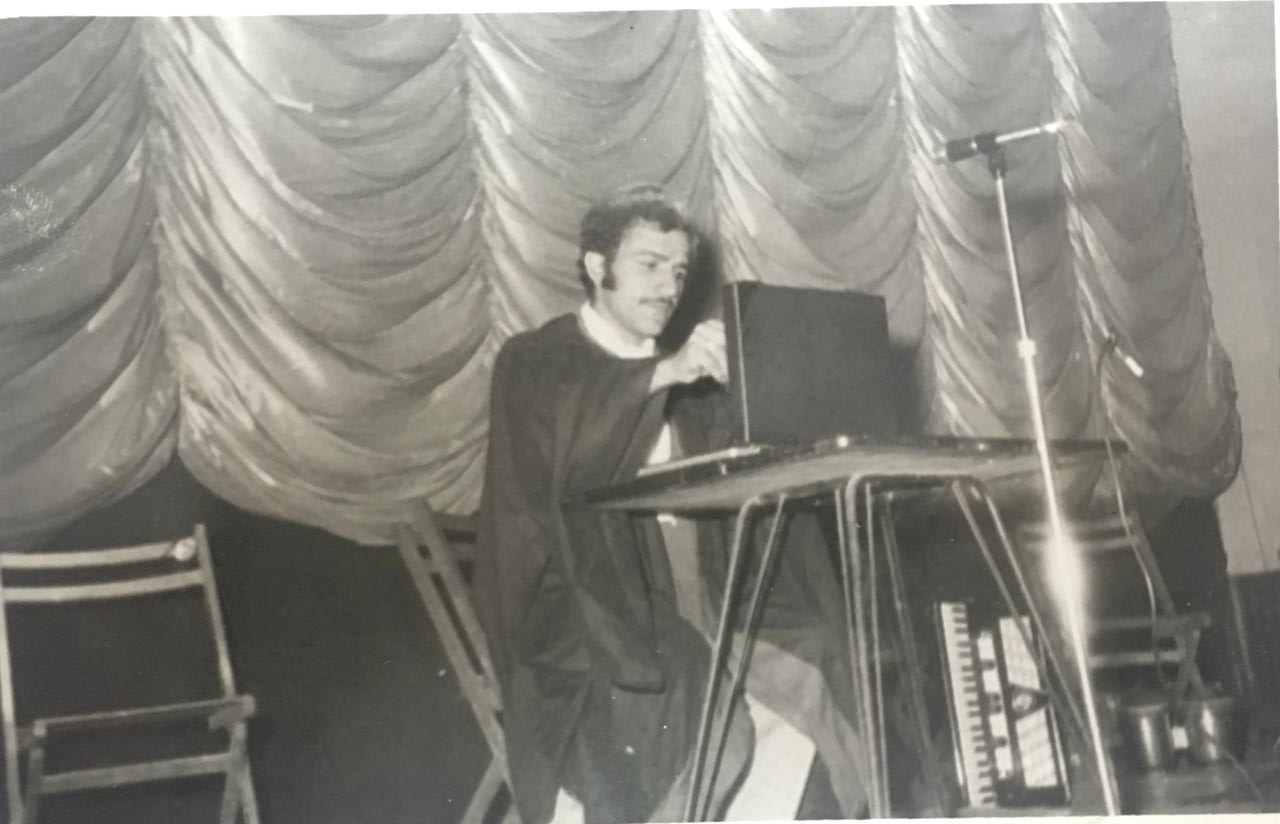
Zeidan met the great artist Suleiman Al-Basha in the late seventies, which was a qualitative shift in his artistic history. He worked with him for many years alongside great artists such as Janah Fakhoury, Suhail Nomani, Omar Mikati, and others—performing their works in Baalbek, in the Traveling Theater, and in many regions. He recalls many works with him, including “Long Live Our Association,” “My Misfortune is My Son,” “The World Shakes but Does Not Fall,” and others. He often took the role of the supporting lead alongside Al-Basha in the late seventies of the last century.
Zeidan also worked with Suleiman Al-Basha on television, where the program “Diary of a Faster” was shown during the month of Ramadan for two years.
Zeidan was influenced by tragic theater, but he worked in comedy and popular theater and excelled in them, which allowed him to participate in the children's play “Tambouz and Antouz” at the “Orly” cinema alongside Omar Al-Shammaa, Omar Mikati, Ghazi Kahwaji, Fayek Hmaissi, and Ziad Makouk.
Stepping Away from Theater
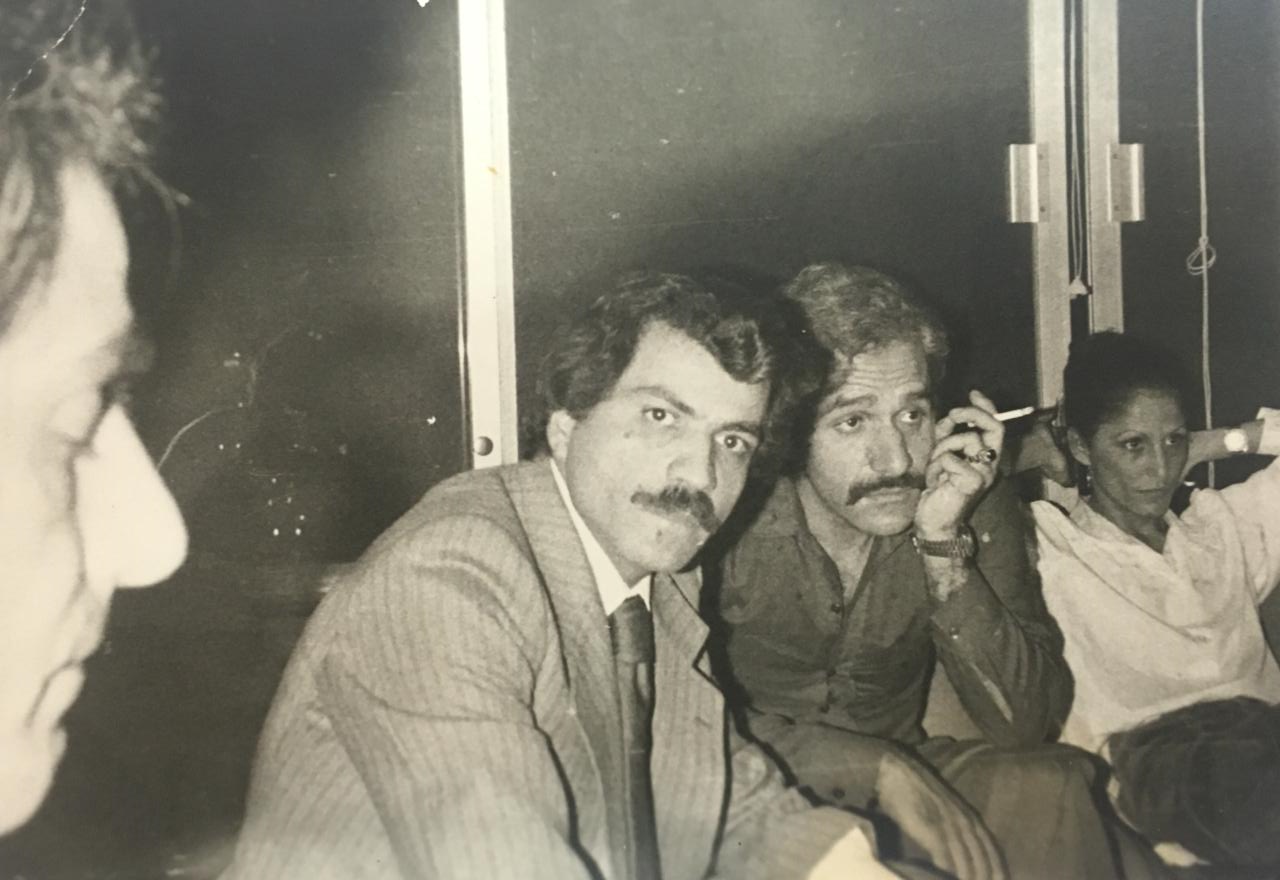
In 1982, the big turning point occurred in Zeidan's life, as he was forced to travel to Abu Dhabi for work. He remained there for several years, during which he lost his home in Wata El-Msaitbeh during the Israeli invasion, along with his library that was looted, as well as his theatrical work archive, of which only a few photographs remained.
Zeidan tried to return to the theater through the play “Al-Shater Hassan” with Omar Mikati and Omar Al-Shammaa, but his personal and living circumstances betrayed him, and he was forced against his will to work, moving away from his dream that remained with him throughout his life.