
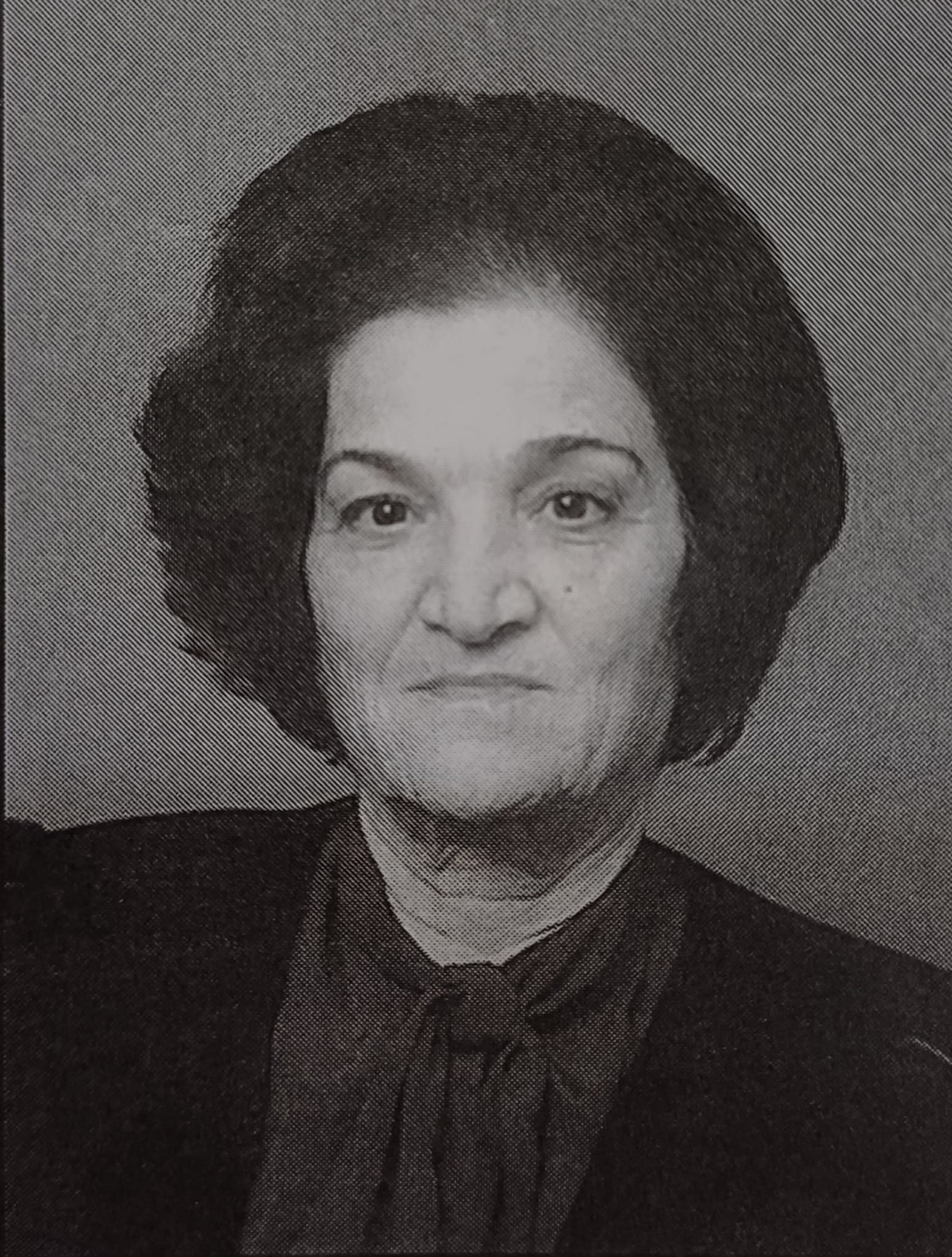
Nadia Al-Jurdi Nuwayhed was a distinguished Druze writer and poet who left a significant mark on humanitarian work and established numerous charitable projects for women.
Born in Choueifat in 1929, she was the daughter of Kamel Murshid Al-Jurdi, a man known for his benevolence in the community. She was educated at the Choueifat School until she traveled with her husband, Mr. Aref Nuwayhed, to Venezuela, where she lived for ten years, learning and mastering the Spanish language.
Upon returning to her homeland, she established the Women's Committee within the Druze Association in 1960. She also undertook many charitable projects for women, including the establishment of a dormitory for female students coming from the mountains to study in Beirut. She carried out other projects such as setting up a dispensary to treat patients from needy groups and creating classes to train secretaries, employees, and teach printing, sewing, and other professions.
She was among the founders of several social and literary associations, and one of the initial founders and honorary president of the Ras Al-Matn Women's Association. She had numerous writings in many magazines and newspapers, including "An-Nahar, Ad-Diyar, As-Safir, Al-Hasna', Dunya Al-Mar'a, Al-Qabas (Kuwait), Asharq Al-Awsat, and Al-Hayat," and she presented the "Happy Kingdom" program on Lebanese Radio.
In addition to her social activism, she was a respected writer and poet.
She published a collection of books and articles in newspapers, and received a large number of awards.
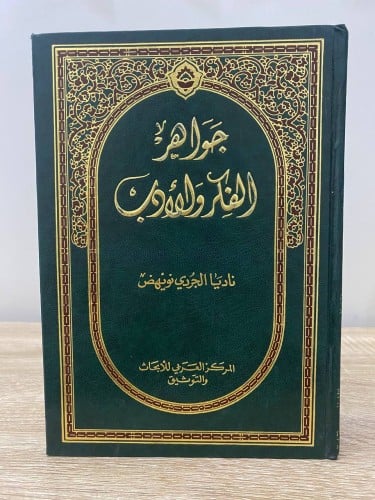
Nadia Al-Jurdi Nuwayhed authored many works, including: Qanadeel (Lanterns), Nisa' min Baladi (Women from My Country), Al-Muharrir Simon Bolivar (The Liberator Simon Bolivar), Wissam Al-Jarrah (The Medal of Wounds), Kalimat min Dhahab (Words of Gold), and Jawahir al-Fikr wal-Adab (Gems of Thought and Literature).
The writer and poet Nadia Al-Jurdi received many awards and honors, including the "International Simon Bolivar Prize," granted by UNESCO every two years with funding from the government of Venezuela, the land of Bolivar.
She also received the shield of the Lebanese National Commission (North Branch), the Lebanese Army shield from Army Commander Emile Lahoud in 1995, the Golden Army shield in recognition of her literary and social efforts in 1997, the shield of the Women's Association for Social Care in 1997, and the silver emblem of the Southern Women's House Association.