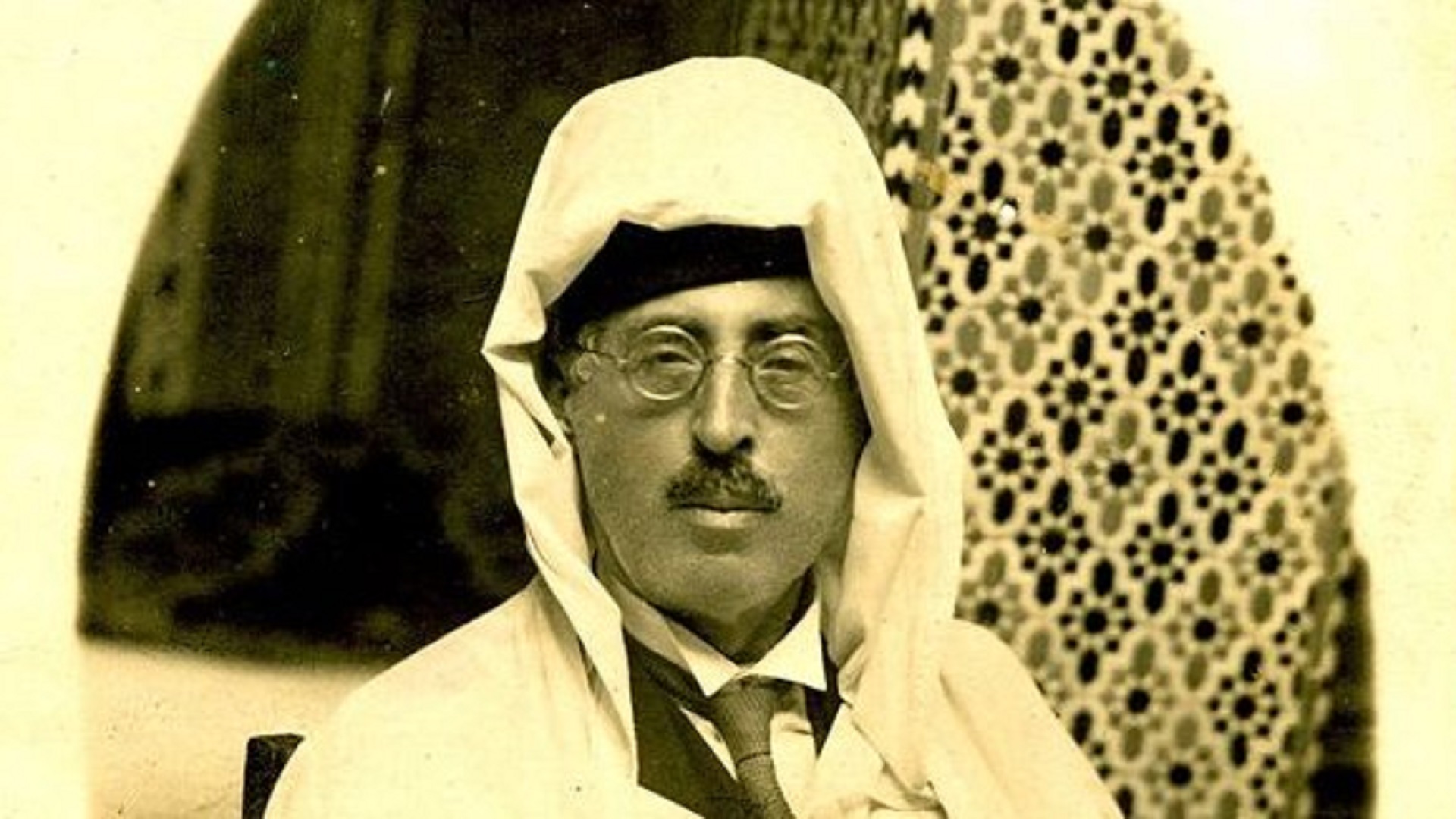

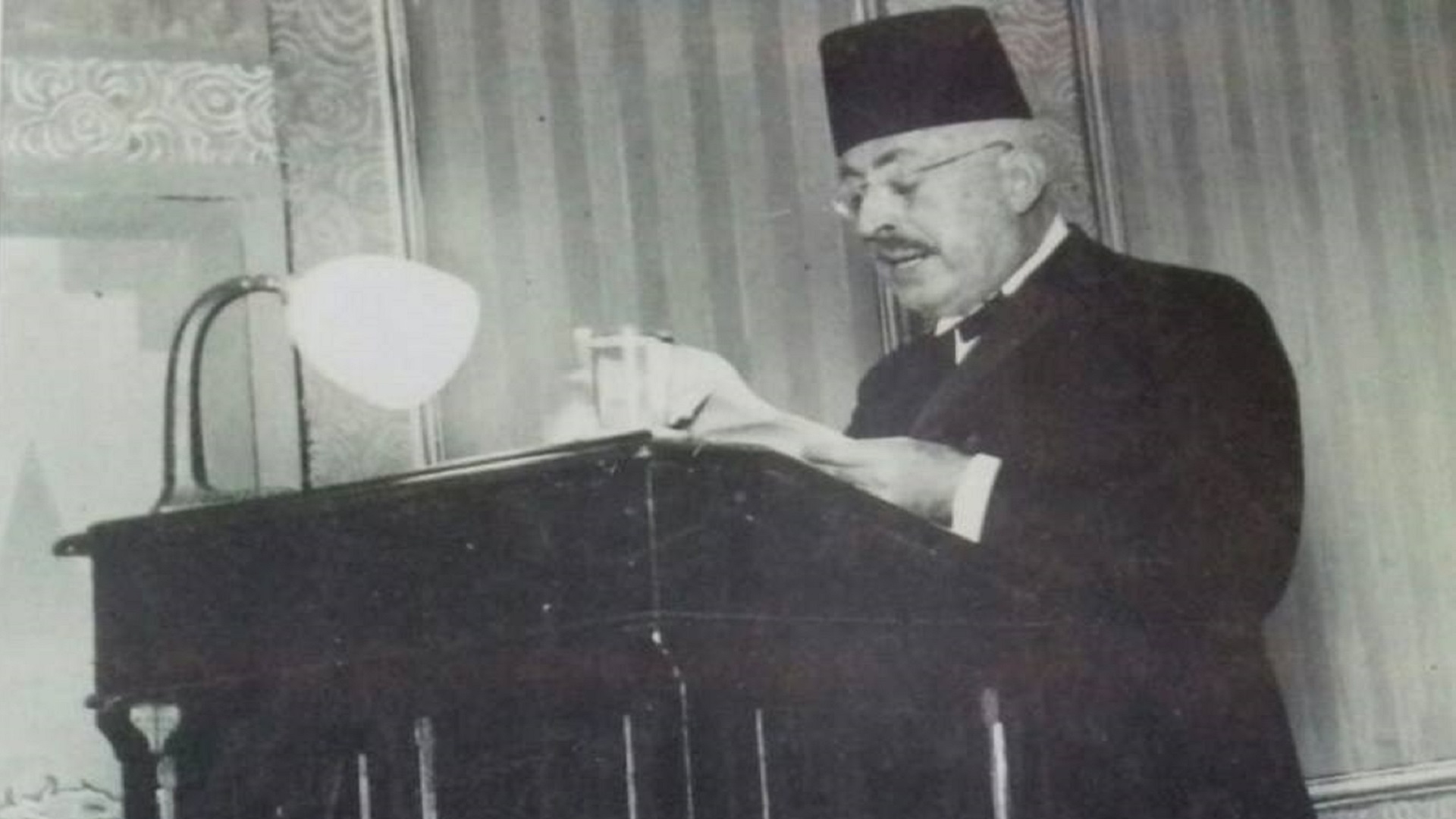
The question of identity takes on a different dimension when it turns into a dilemma that poses the predicament of the Arab mind at the beginning of the last century, as it confronted a present then troubled by the loss of lands, the fragmentation of the nation, the splintering of the concept of Arabism, and anxiety over a future where the questions of the coming era were being formulated with the tools and premonitions of the past.
Ninety-three years ago, the Prince of Eloquence, Prince Shakib Arslan, posed a question that became the title of a book he published in 1930: "Why did Muslims lag behind while others progressed?" The question, which stormed the Arab consciousness, was enough to turn into an intellectual and cultural dynamic that later established a liberation project and a renaissance movement that put everything into question. The essence of this project was to revitalize the renaissance elite, achieve Arab and national unity, and frame ways to confront Western colonialism, especially French and British. Thus, the sword of the word was sharper than the rifles of the tyrants. He carried his ideas and traveled with them across Arab lands, corners of the world, and into exile for more than a quarter of a century of struggle outside his homeland, preaching and stirring the conscience, feelings, and minds of the Arab and Islamic peoples. His poetic talent, solid language, linguistic ability, and eloquence helped him convince, influence, and soar in the orbits of authorship, writing in newspapers and magazines, and publishing books and works until he became a beacon of contemporary Arab thought and a knight of the word, earning him the title "Prince of Eloquence."
His Birth and Upbringing
The Lebanese writer and thinker Shakib Arslan was born on January 25, 1869, in the city of Choueifat to a family belonging to the Druze sect, though he practiced his worship in the Sunni manner. The name Shakib means "the patient one" in Persian, and Arslan means "the lion" in Turkish and Persian. He became famous by the title "Prince of Eloquence" due to the abundance of his writings and works, the depth of his vision, the solidity of his language, and the excellence of his vocabulary. His reputation spread as one of the great thinkers and writers, and he is considered one of the most prominent advocates and theorists for Arab and Islamic unity. Arslan is the grandfather of the leader Walid Jumblatt from his mother, Sitt May Arslan.
Shakib Arslan was a lover of knowledge. He joined the Al-Hikma School in Beirut, where he studied the Arabic language under Abdullah Al-Bustani, mastering it and delving deep into it. He wrote poetry, prose, and articles, and was proficient in Turkish, French, and German, in addition to his religious studies.
Shakib Arslan was influenced by great thinkers, writers, linguists, and jurists, including Imam Muhammad Abduh, Mahmoud Sami Al-Baroudi, Muhammad Rashid Rida, Abdullah Fikri, Sheikh Ibrahim Al-Yaziji, the poet Ahmed Shawqi, and Ismail Sabri. However, his most significant and profound influence was from Sayyid Jamal al-Din al-Afghani, especially in adopting his intellectual approach and political concept, which appeared through his enthusiasm for supporting the Islamic Caliphate and the Ottoman Empire in his early stages.
Shakib Arslan suffered from the frail Arab and Islamic reality and the state of surrender to the invaders and occupying tyrants. He became convinced that exiting this isolation and Arab fragmentation could only happen through the establishment of a complete Arab unity to confront the schemes of disintegration, weakening, and submission of the Arab nation, so that they could gain complete control over Lebanon. Arslan foresaw the existential danger of those practices early on, so he called for confronting them and resisting colonialism, aiming the arrows of his articles at French colonialism, expressing his convictions that there was no salvation except by achieving Arab unity. This made him subject to persecution and pursuit through fierce campaigns of distortion and slander, leading to exile, especially since his trust in the Allies' promises to the Arabs was non-existent, because they did not want good for them, but rather their sole concern was their own interests and the colonization of peoples. His expectations came true immediately after the end of World War I, as the deception of the Allies toward the Arabs became clear through their intentions against them and their colonial practices. Therefore, he remained pursued and chased; the Turks chased him for his interest in Arab issues, and the French and British pursued him for his defense of the Arab nation's peoples and his exposing of their atrocities and crimes against Arab and Islamic peoples. He moved away from Arab countries and Lebanon, traveling between Russia, Spain, America, Rome, and Switzerland, where he was received with hospitality wherever he went and published his articles and writings in the newspapers of those countries.
Supporting Revolutions
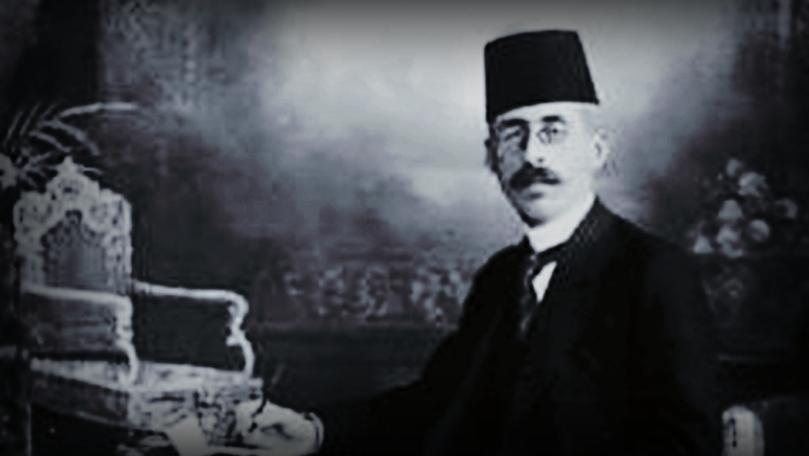
Shakib Arslan supported most of the Arab revolutions that rose against colonialism. Sources mentioned that he personally participated in the fighting in Libya. He also strongly supported the Syrian revolution against the French and stood by the Moroccan revolution. British intelligence accused him of coordinating with the German government to incite an uprising in Iraq, Syria, Jordan, and Palestine.
Shakib Arslan authored dozens of books, including his famous book "Why did Muslims lag behind? And why did others progress?" He also wrote about his Hajj journey, "The Pleasant Impressions in the Mind of the Pilgrim to the Holiest Destination." He authored "The History of the Turks" as a commentary on Ibn Khaldun's history, and "The Brocade Robes in Andalusian News and Monuments" in 3 volumes. He also has a commentary on Lothrop Stoddard's "The Present World of Islam" in 4 volumes, where the explanations and footnotes reached four times the size of the original book, to the point that the original became known by them due to their fame.
Among his other books: "Shawqi or the Friendship of Forty Years," and he published his poetry collection "The Diwan of Prince Shakib Arslan," and "History of Arab Conquests."
He worked in journalism and published the newspaper "Liwa al-Islam" in Berlin in 1921, which aimed to revive the call for the Islamic University after the collapse of the Ottoman Caliphate. In Geneva, he published the magazine "The Arab Nation" between 1930 and 1938 in French, in partnership with Ihsan al-Jabri, and its volumes reached 50 volumes.
While exile stood as a barrier between him and continuing the struggle against the colonizer, that did not stop him from fighting on the front of culture and thought. His activity in authorship, writing poetry and prose, and excelling in the art of oratory continued, leaving behind a great legacy consisting of hundreds of letters, poems, and various books.
A Career of Achievements
After 77 years of writing, authorship, and revolution against injustice, thirty of which were spent in exile, Shakib Arslan passed away on December 9, 1946, in Beirut after a long journey of fatigue, alienation, and moving from country to country. But he returned achieving his dream that had long haunted him during his long days of illness: to be buried in the soil of his homeland, Lebanon, and for no flag to flutter over his grave except the flag of his country. His return to his homeland, his home, and meeting his mother and family had a profound impact on him, where he was received with great hospitality, and celebrations, meetings, and banquets were held for him at a time when his strength had been exhausted. At the end of his life's journey, he left his final testament: "I entrust Palestine to you." Shakib Arslan passed away, and the testament found no one to carry it out, so Palestine was lost, just as Andalusia had been lost before it, which Arslan had visited during his tours in his alienation and exile..
During his many travels, Shakib Arslan met many thinkers and writers, and he had prominent stops from Lausanne, Switzerland, to Naples, Italy, to Port Said, Egypt. He crossed the Suez Canal and the Red Sea to Jeddah, then Mecca, and recorded in this journey everything he saw and everyone he met.
Shakib Arslan is considered one of the first advocates for establishing the Arab League. Immediately after World War I, he called for the establishment of an Arab League, and when it was established, his joy for it was great. He saw in it a sanctuary for the Arab nation from fragmentation and division, and a path to a comprehensive Arab renaissance in all scientific, intellectual, and economic fields.
Shakib Arslan had a special relationship with King Abdulaziz Al Saud, having been granted Hejazi Saudi nationality at the time.