
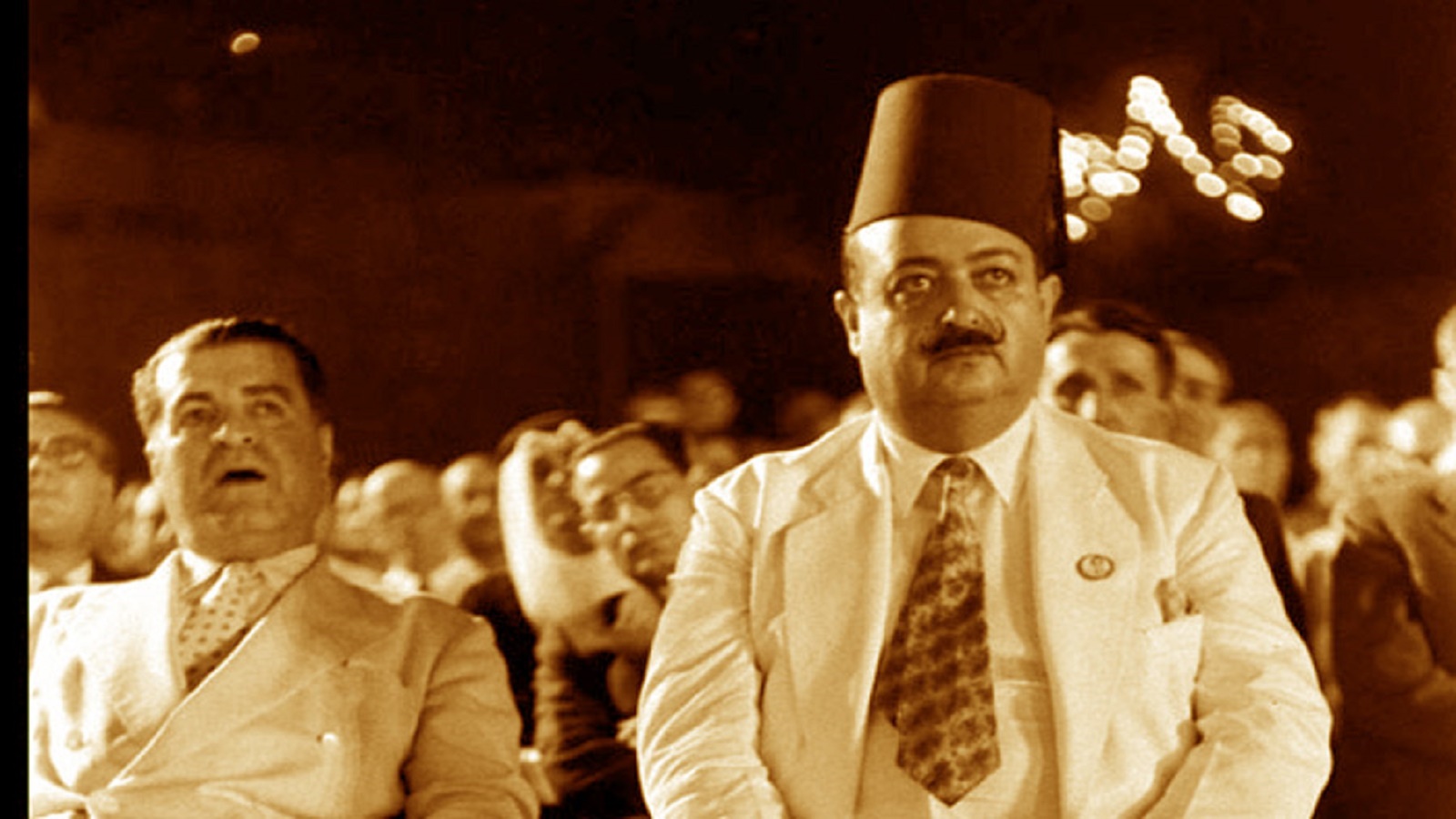
Between Lebanon's Druze and independence lies a storied history of struggle, and Prince Majid Arslan, scion of an ancient political family, rightfully earned the title of Hero of Independence.
Majid Toufic Arslan (1908 – 1983) was a prominent Lebanese politician, one of the nation's key independence figures, and one of its most important statesmen. He held ministerial portfolios from 1937 until 1975. He was elected as a member of parliament in the years 1934, 1937, 1943, 1951, 1953, 1957, 1960, 1964, 1968, and 1972.
Prince Majid was born in February 1908 in Choueifat. In 1932, he married his relative Princess Lamis Chehab, with whom he had two sons: Toufic (1935–2003) and Faisal (1941–2009). Following the death of his first wife, he married Sitt Khawla Jumblatt in 1956, and had three daughters with her: Zeina, Rima, and Najwa, in addition to Prince Talal Arslan. He was renowned for his horsemanship, which he practiced in a southern village named "Al-Majidiyah" (3 million square meters), named after him. He received his education at the French Secular Mission schools. Prince Majid also studied at the Furn School.
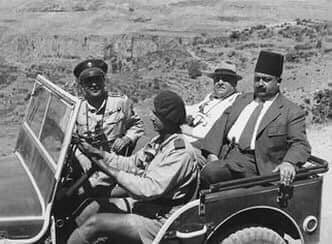
His Political Career
He was one of the most prominent Druze leaders of the twentieth century and served as the head of a parliamentary bloc throughout his life. He was the Arslan leader who won the parliamentary elections in 1931 and continued to lead a parliamentary bloc in all consecutive parliamentary elections from 1931 to 1972.
Over the course of 35 years, he assumed numerous ministerial portfolios. October 1937: Minister of Agriculture. September 1943: Minister of Health and Minister of Defense. July 1944: Minister of Health and Minister of Defense. May 1946: Minister of Health and Minister of Defense. January 1946: Minister of Communications and Minister of Defense. June 1947: Minister of Communications and Minister of Defense. July 1948: Minister of Agriculture and Minister of Defense. October 1949: Minister of Defense. February 1954: Minister of Health and Minister of Defense. July 1955: Minister of Defense. March 1956: Minister of Defense. November 1956: Minister of Health and Minister of Agriculture. August 1957: Minister of Communications and Minister of Defense. March 1958: Minister of Agriculture. August 1960: Minister of Defense. October 1961: Minister of Defense. October 1968: Minister of Defense and Minister of Justice. January 1969: Minister of Defense. November 1969: Minister of Defense. May 1969: Minister of Defense. July 1975: Minister of Health, Agriculture, and Housing.
The Story of Independence in 1943
France occupied Lebanon in 1918 after World War I. In 1943, Lebanese leaders and ministers signed the National Pact, which stipulated the following: 1- Lebanon is an independent country with an Arab face. 2- Lebanon shall not be ruled by the West nor by the East. 3- No to colonialism. 4- Fair sectarian representation in cabinets and all government positions. 5- Customs, railways, and the Régie company (a tobacco monopoly) belong to the Lebanese government. 6- The Lebanese government must supervise and monitor its borders. On November 10, 1943, the French responded to the pact by arresting President Bechara El Khoury, Prime Minister Riad Al Solh, and Ministers Camille Chamoun, Adel Osseiran, and Rashid Karami, imprisoning them in the Rashaya Citadel in the Bekaa. Ministers Majid Arslan, Sabri Hamadeh, and Habib Abou Chahla escaped arrest because they were not at their homes that night.
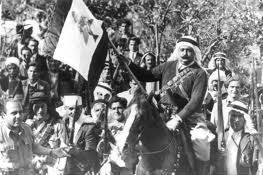
On November 11, 1943, Prince Majid, Sabri Hamadeh, and Habib Abou Chahla formed the "Government of Free Lebanon," headed by Habib Abou Chahla, with its headquarters in Bchamoun, 30 km from Beirut. Prince Majid rallied numerous men around him, arming them to confront the French forces. Riots and unrest also swept across the country. Members of parliament held a secret session during which the new Lebanese flag was drawn and signed, and subsequently raised in Bchamoun.
On November 21, 1943, as a result of the unrest, an open strike, armed clashes, and the intervention of Arab and foreign nations, the political detainees were released. They were brought to Bchamoun, where they thanked the men and sang the Lebanese national anthem before the Lebanese flag, which they kissed.
On November 22, 1943, Lebanon was declared an independent state.
In his capacity as Minister of Defense, Prince Majid Arslan founded the Lebanese Army in cooperation with Fouad Chehab. Prince Majid Arslan also led a campaign in Palestine in June 1948 and succeeded in recapturing the Palestinian village of al-Malkiyya from the Zionists.
His Death
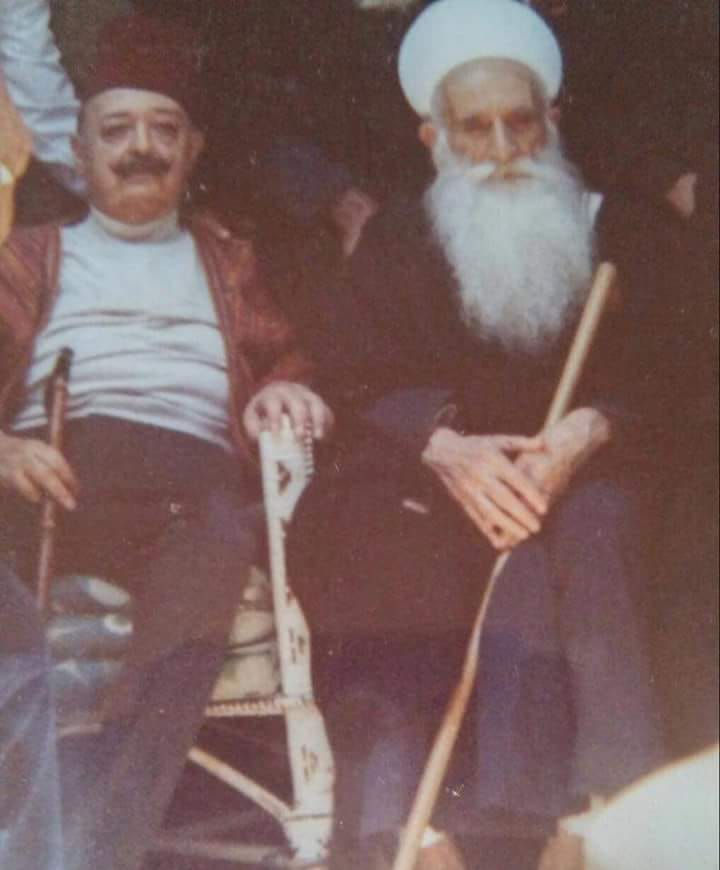
Prince Majid passed away on September 18, 1983, at the age of 75, and was laid to rest in Khalde, south of Beirut. He was succeeded by his son, Prince Talal Arslan, head of the Lebanese Democratic Party.