
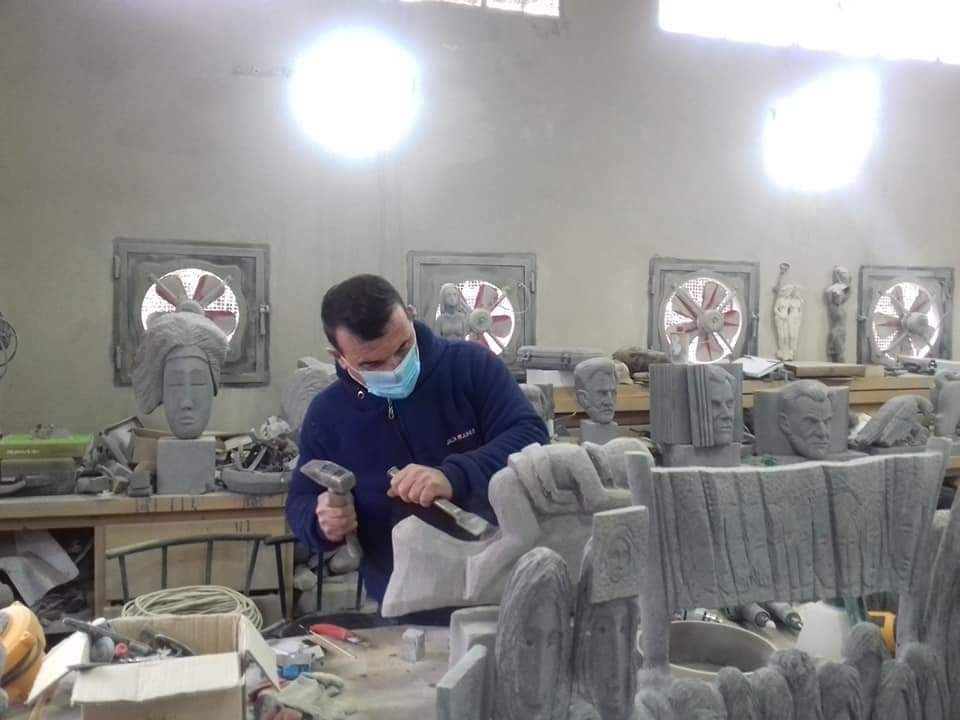
The visual artist Fouad Abu Assaf became a prominent figure in the history of fine arts in Syria, taming basalt in dozens of unique artworks.
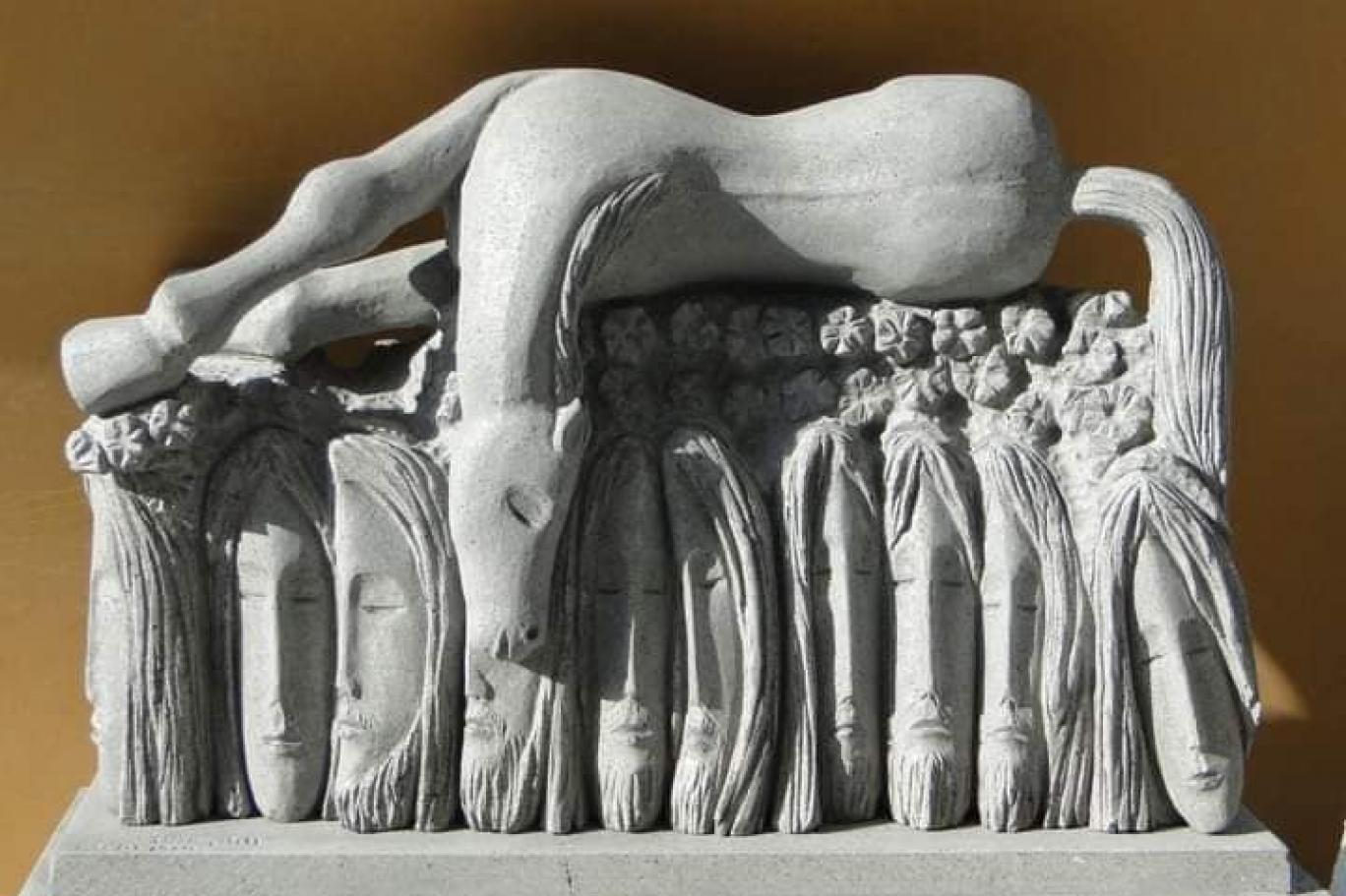
Abu Assaf conveyed the experiences of his ancestors in the city of As-Suwayda through sculptural scenes of extreme privacy and uniqueness. This artist managed to find an artistic equivalent that blended Syrian myths with contemporary life vocabulary; he did not retreat into abstract sculpture as many of his peers did, but rather engaged with exceptional precision and delicacy in figurative sculpture, accumulating his long experience with volume, space, and mass.
Abu Assaf was born in the town of Salim in As-Suwayda Governorate in 1966 and completed his secondary education there. He joined the Faculty of Fine Arts at the University of Damascus in the 1980s and graduated from the Sculpture Department in 1991. He worked as a professor in the Sculpture Department at the Institute of Applied and Fine Arts and at the Faculty of Fine Arts.
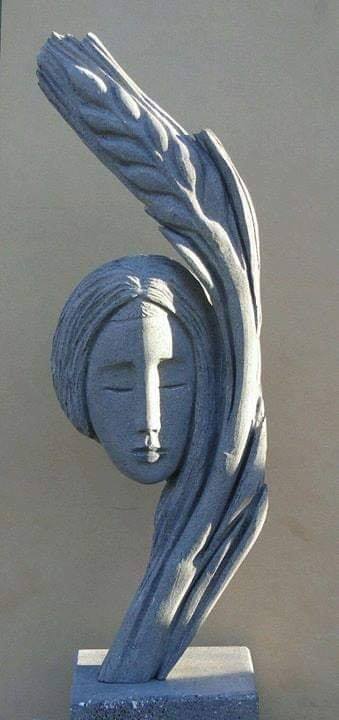
He began his career early in his childhood in the city of As-Suwayda, influenced by the black stones that surrounded him since he first opened his eyes to life. He achieved his first sculptural work when he was not yet ten years old, which was a portrait of a woman.
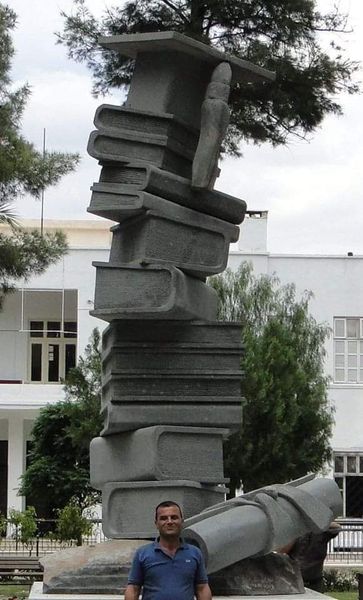
He contributed to the founding of local and international sculpture symposiums, most notably "See" and "Jaljala." He had a remarkable presence in managing and supervising these forums, and working with a large group of sculpture students at the Faculty of Fine Arts. Abu Assaf spared no effort or time in passing on his experiences to them, not only in the basalt material, but also in metals, wood, and fiberglass. However, he remained loyal to basalt stone, transforming its hardness into extreme tenderness and sweetness, merging the innate sense of early sculptors with high academic experience, and proving at the same time that a sculptor's culture, readings, and observations are an integral part of his own laboratory.
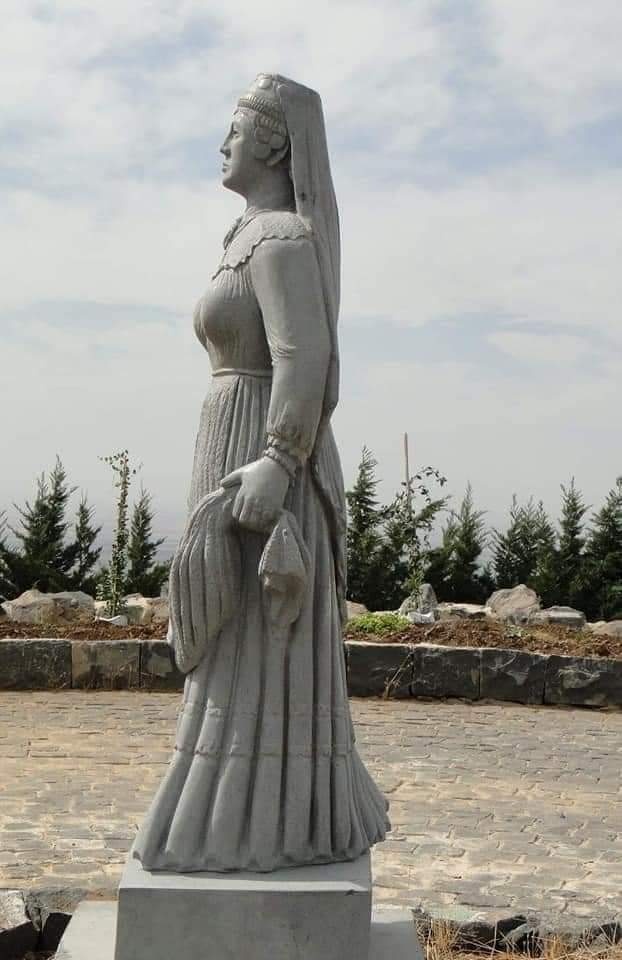
Abu Assaf’s experience was characterized by its artistic purity and originality within the Syrian fine arts scene, and its ability to dispense with the geometric construction of the statue in favor of the artist's subjective position and the desire for imagination away from the common values of distortion, moving towards affirming aesthetic values that are not devoid of poetic touches and visual references in the movement of the body. This body is in harmony with animal and plant characterizations as in his works "The Apple Tree," "The Wheat Grain," and "Leda and the Swan." In these works, a skill became evident that succeeded in reflecting tragedy while maintaining soft edges between light and shadow on the surface and the placement of the mass in space.
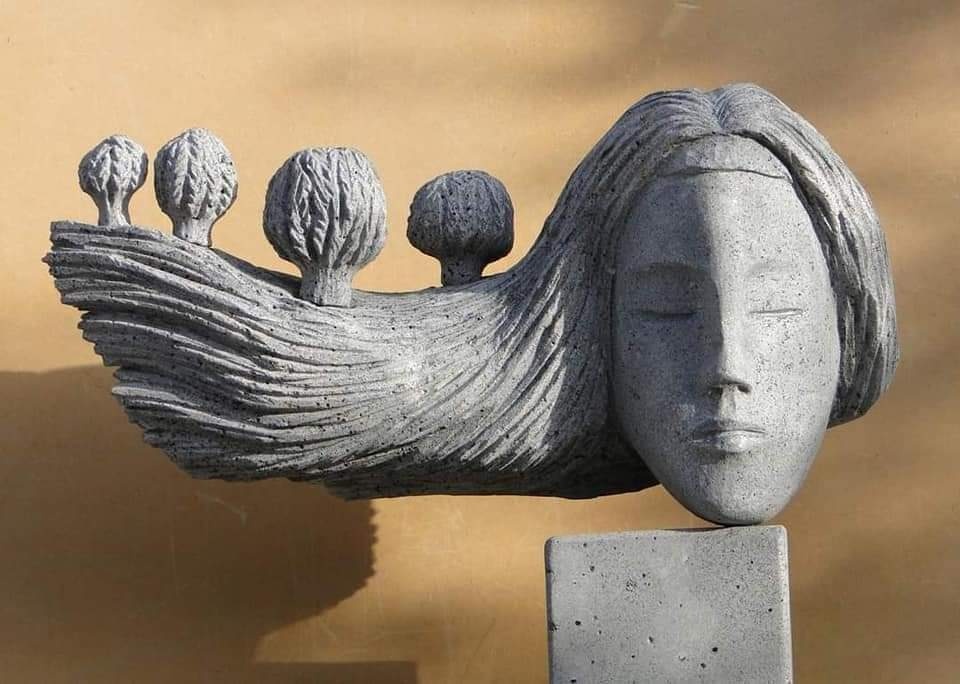
Abu Assaf is considered one of the most prolific sculptors, with an output of more than five thousand sculptures. His works have been acquired in a number of countries around the world and by many institutions and ministries in Syria, and his sculptures have decorated many streets, parks, and public places.
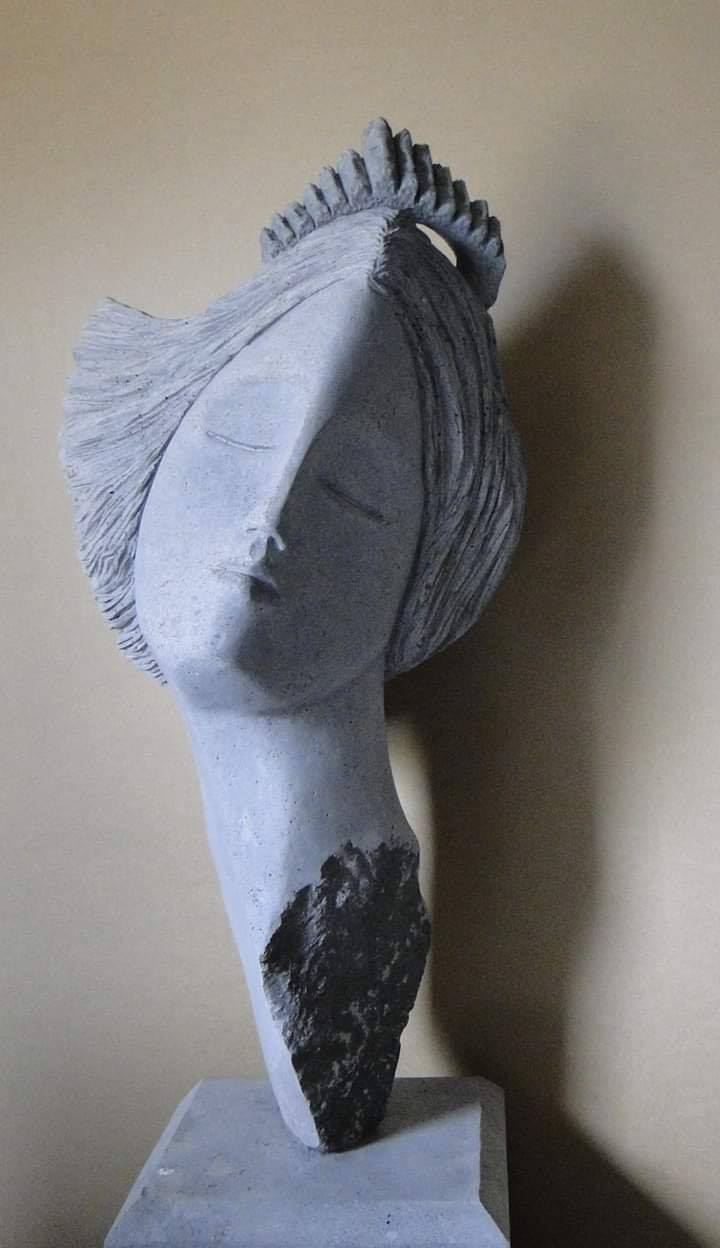
The artist Fouad Abu Assaf passed away on September 18, 2021, after a long battle with cancer.