
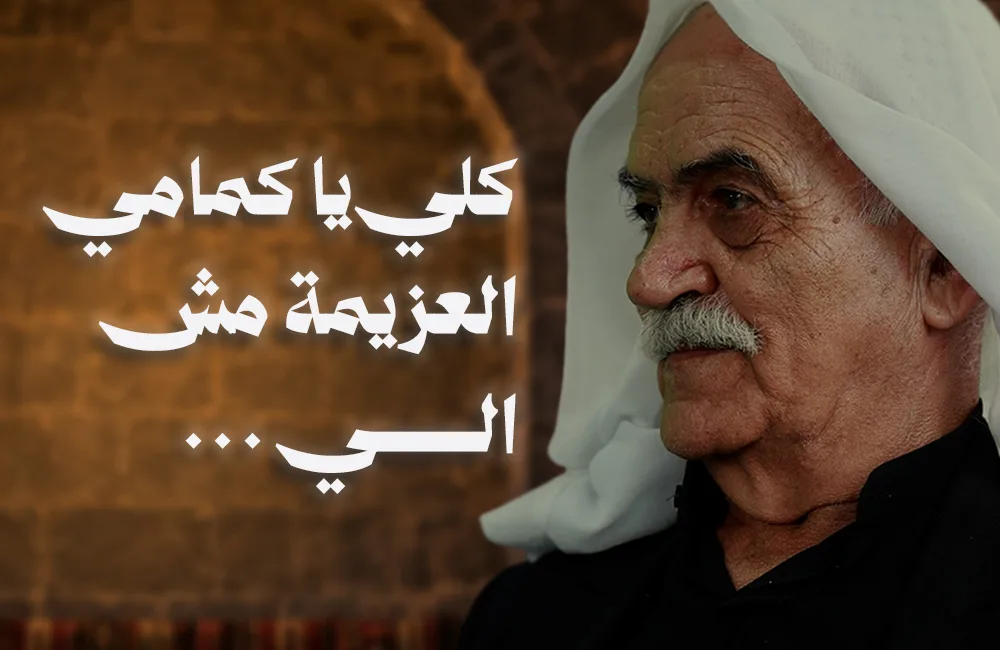
What if you entered a guesthouse wearing simple clothes, and you were barely acknowledged... then you returned to it wearing luxurious clothes, and they seated you at the head of the gathering? This is where the story of a popular proverb that remains present in memory begins: (Eat, my sleeve... the feast is not for me, the feast is for my clothes). In a new episode of "Haki Jdoudna," we revisit the story of this proverb, which is told about one of the mountain dignitaries, who entered a guesthouse in ordinary clothes and did not receive a warm welcome or attention, before returning to it later in luxurious clothes, only to be received with great enthusiasm. When it was time to eat, the man grabbed the sleeve of his abaya and dipped it into the mansaf, saying sarcastically: Eat, my sleeve... the feast is not for me, the feast is for my clothes. A situation that carries humor on the surface, but summarizes a profound lesson: A person should be honored for their character and status, not for their clothes and appearance.
The Story of the Proverb "Eat, My Sleeve" and Its Meaning in "Haki Jdoudna"
Watch this article also on:Facebook