
Figures of dignity and stature in the history of the Unitarian Druze
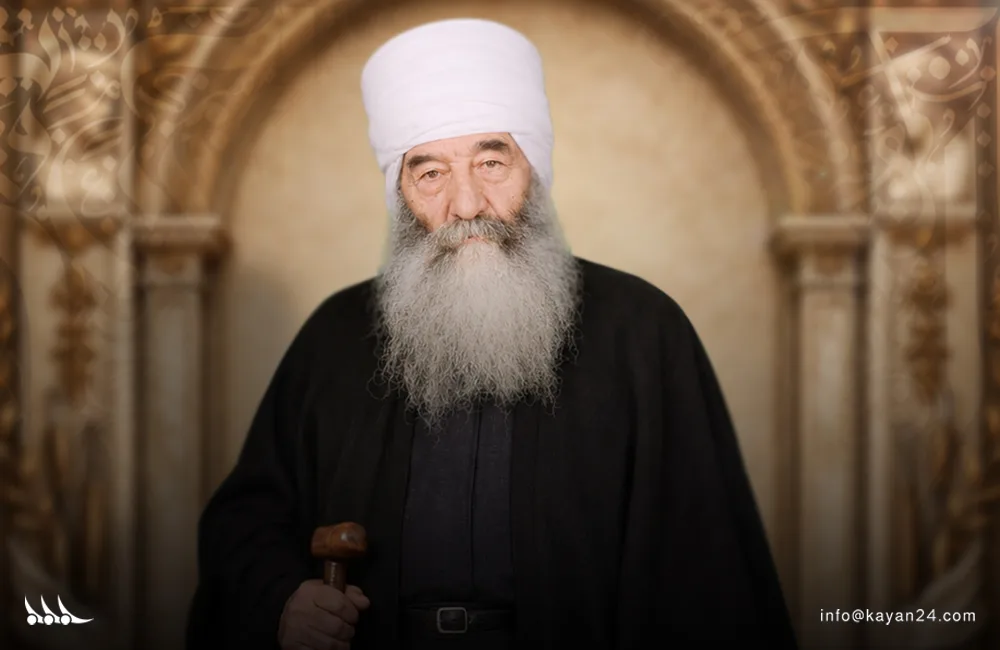
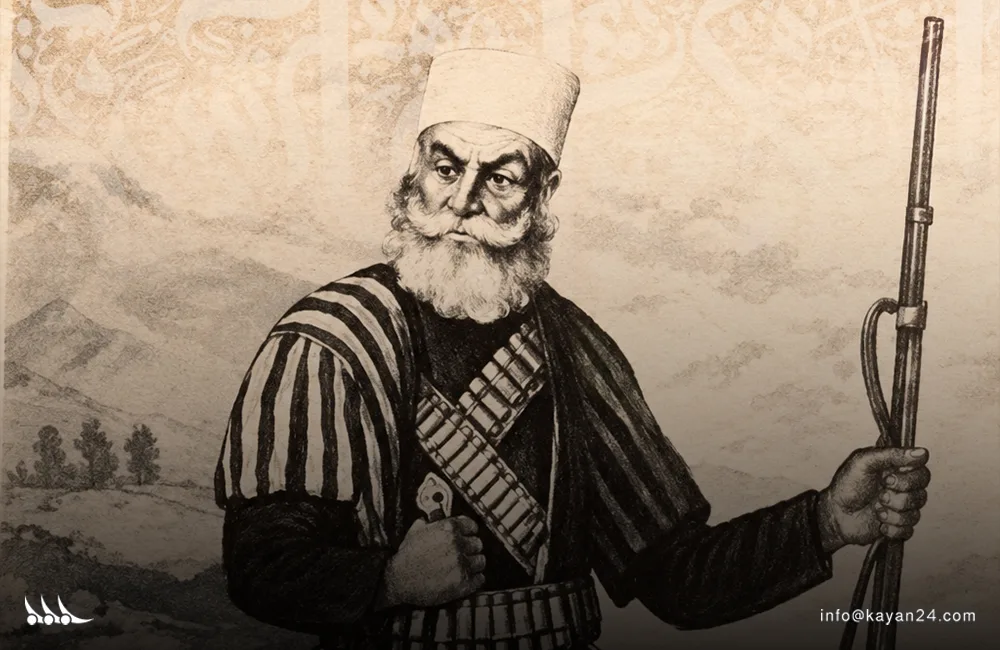
Sheikh Abu Hussein Ali Shuqair from the village of Aiha in Wadi al-Taym (i.e., the districts of Hasbaya and Rashaya in Lebanon) challenges with his spirituality the commander Ibrahim Pasha bin Muhammad Ali Pasha, who defeated the Ottomans and nearly ended their state, were it not for the intervention of European powers coveting Ottoman lands...
......
Sheikh Abu Hussein Ali Shuqair was a venerable, pious, and devout sheikh, dedicated to God, known for his virtue, righteousness, and adherence to the laws of the noble religion. When the Lejah War between the Unitarian Druze and Ibrahim Pasha intensified in 1838, he witnessed the ordeal that had afflicted the Unitarian Druze. Seeing people rushing to war to aid their brothers in the Mountain of the Druze, as it was called at the time—and knowing that protecting and supporting the brothers is one of the religious obligations mandated by the Druze faith for every believer—the Sheikh realized he must contribute. Since he was unable to carry weapons due to his advanced age, he obtained a quantity of ammunition (bullets and gunpowder), placed it in his saddlebag, and rode his mount to deliver it to his fighting brothers in the battles of the Lejah War. No sooner had he reached the road leading to the southeast of Damascus than he was surprised by the soldiers of Ibrahim Pasha's army setting up roadblocks to enforce a siege on the Mountain of the Druze and prevent the arrival of supplies. They surrounded him and bombarded him with questions. He answered with complete calm and composure, his face radiating joy and tranquility, that his name was Abu Hussein Ali, from the village of Niha, and that he was carrying ammunition for his Druze brothers to use in fighting Ibrahim Pasha's army. The commander was stunned by what he heard and said to him: "Do you not know that if Ibrahim Pasha hears these words of yours, he will surely kill you on the spot?" The Sheikh smiled and said, without losing his dignity: "He is incapable of that. Ibrahim cannot kill me; Ibrahim cannot."
The soldiers were perplexed by the Sheikh, who was at peace with his situation.
They eventually took him to the tent of their commander, Ibrahim Pasha, and informed him of what the man had said.
The Pasha looked at the Sheikh with a scrutinizing gaze, observing his simple religious attire and his face glowing with dignity, faith, and trust in God, and asked him: "What are you carrying with you?"
"Bullets and gunpowder."
He said: "And why?"
He replied: "To help my people fight you with them."
He said: "Are you not afraid that I will order your execution?"
He replied: "You will kill me? No, you cannot, Ibrahim. You cannot."
It was as if a sense of awe and fear possessed Ibrahim Pasha, and he realized the Sheikh meant that souls are in the hands of God, not in yours, Ibrahim. He looked down for a moment, then told his soldiers: "Take this sheikh, for I do not want to see him, and release him at once."
Dr. Muhammad al-Basha states in the biography of that Sheikh, on page 62 of his book "Dictionary of Prominent Druze Figures, Vol. 2," that the stories told about him are numerous, and they are a type of miracle (karamat) that cannot be fully detailed here.
The Sheikh later passed away in the village of "Aiha," where there is a room dedicated to him that is visited, and he has descendants there to this day, some of whom are in Qanawat...
Ibrahim al-Aql, Research in Society and History