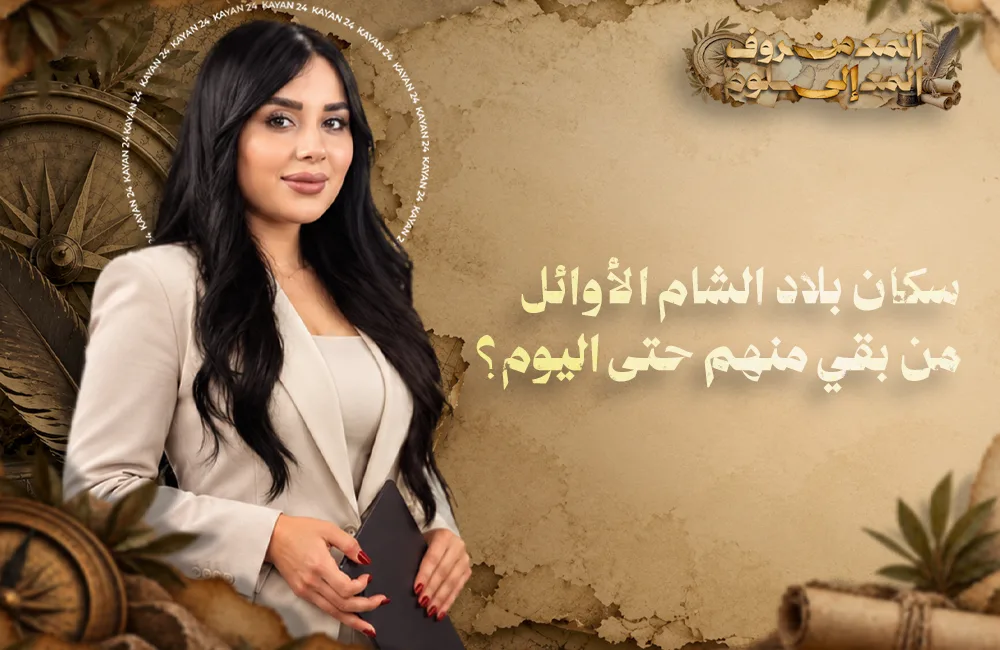

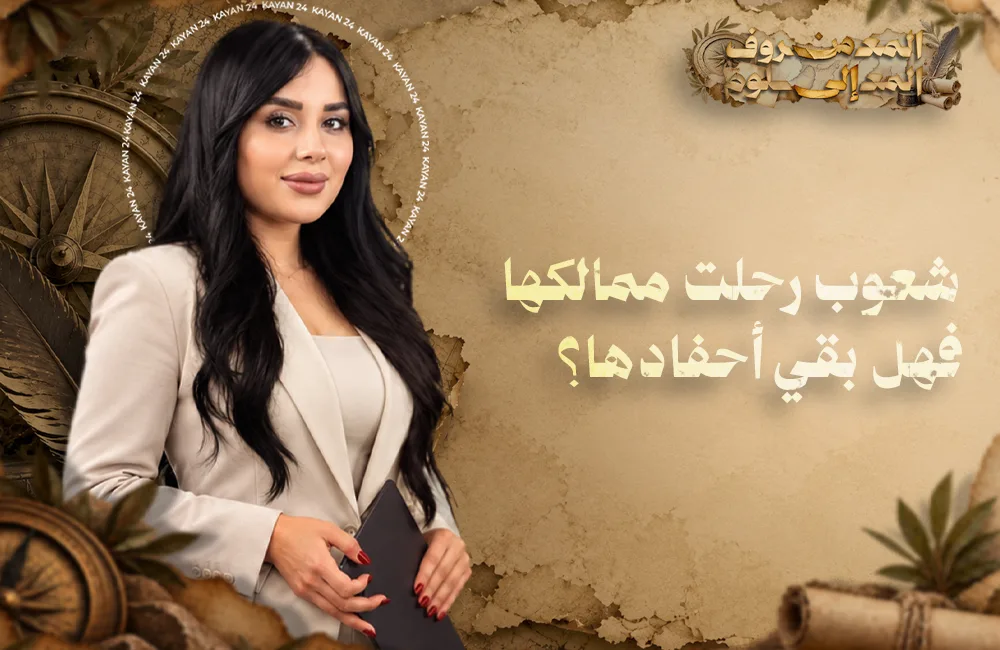
Are we the descendants of the peoples who lived on this land thousands of years ago? | From the Known to the Understood
Did the Canaanites, Arameans, and Phoenicians really disappear? Or are their demographic and cultural imprints still present in the Levant, and perhaps even in us?
In a new episode of the program "From the Known to the Understood," we continue our journey of searching into the history of the inhabitants of the Levant, by reading archaeological evidence and scientific studies that help us understand what remains of ancient peoples, and how the societies we know today were formed.
The episode starts from the Tel Dan Stele, discovered in northern historical Palestine, dating back to the 9th century BCE, and the reference it bears, which most researchers interpret as the "House of David," before moving to a genetic study published in the journal Cell in 2020. This study examined the genetic history of the inhabitants of the southern Levant in the Bronze and Iron Ages, and revealed elements of population continuity between ancient societies and some contemporary inhabitants of the region, alongside the effects of subsequent migrations and intermingling.
The episode also addresses the political, religious, and cultural transformations witnessed by the Levant, from the succession of empires and the spread of Christianity and Islam, to the emergence of the Unitarian faith in the eleventh century CE, and the formation of religious communities in various parts of the region.
The episode emphasizes the importance of distinguishing between population continuity, religious identity, and family lineage. The existence of common genetic roots does not mean that all families belong to a specific ancient people, and the history of current societies cannot be reduced to a single origin.
"Are we the descendants of the peoples who lived here before us?" A question that opens the door to a deeper reading of the history of this land, far from preconceived notions and undocumented narratives, in preparation for moving in future episodes to trace the history of families, migrations, and beliefs.
Because the fall of kingdoms does not necessarily mean the disappearance of their inhabitants, and the changing of identities does not erase all the traces that preceded them.
"From the Known to the Understood"... History as revealed by evidence, not as constructed by assumptions.
Produced by Kayan 24.