
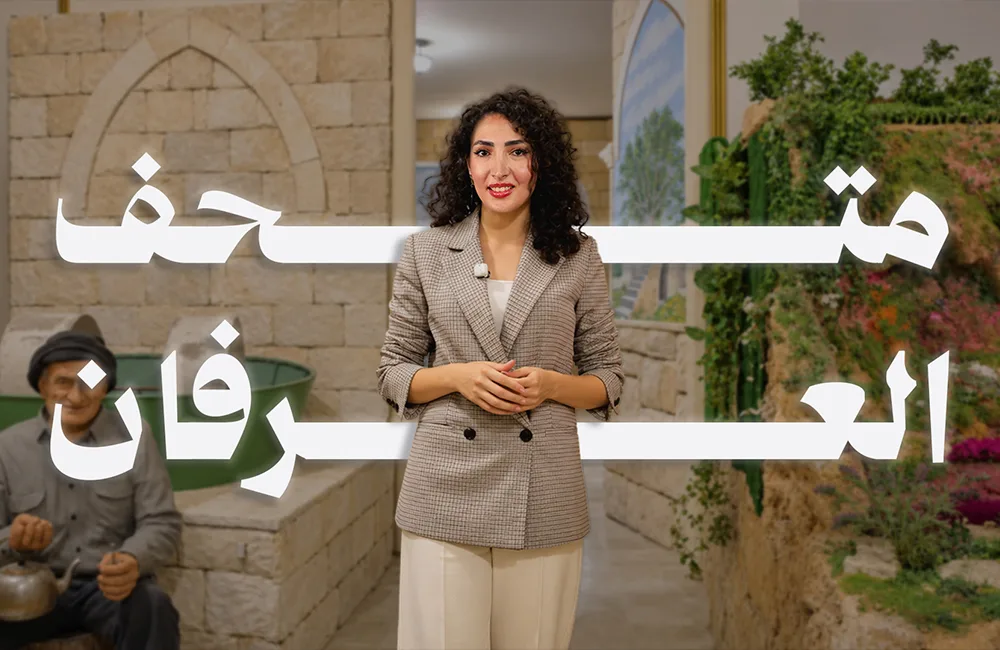
Al-Irfan Monotheistic Museum.. A space for knowledge, openness, and historical memory
The museum is not merely a place for preserving artifacts and models, but a space where knowledge meets history and art, and where stories are transformed into living witnesses for generations.
From this vision, the idea of the Al-Irfan Monotheistic Museum was launched in 2000, under the guidance of the foundation's president, Sheikh Nazir Rafeh, to be a museum open to various segments of society, embodying the values of openness and respect for religious and cultural diversity, far from insularity and sectarianism.
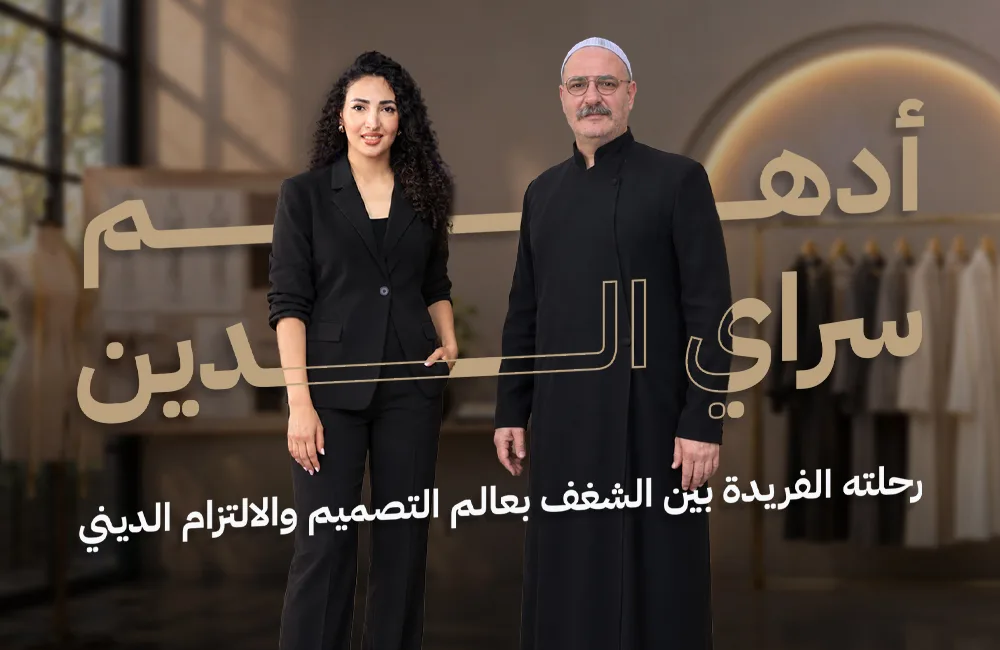
The museum includes diverse sections, bringing together religious, literary, political, and historical figures, alongside models of shrines and heritage landmarks, and figures who left their mark on the history of the region and Lebanon, including Sultan Pasha al-Atrash, Adham Khanjar, Kamal Jumblatt, and the men of Lebanese independence.
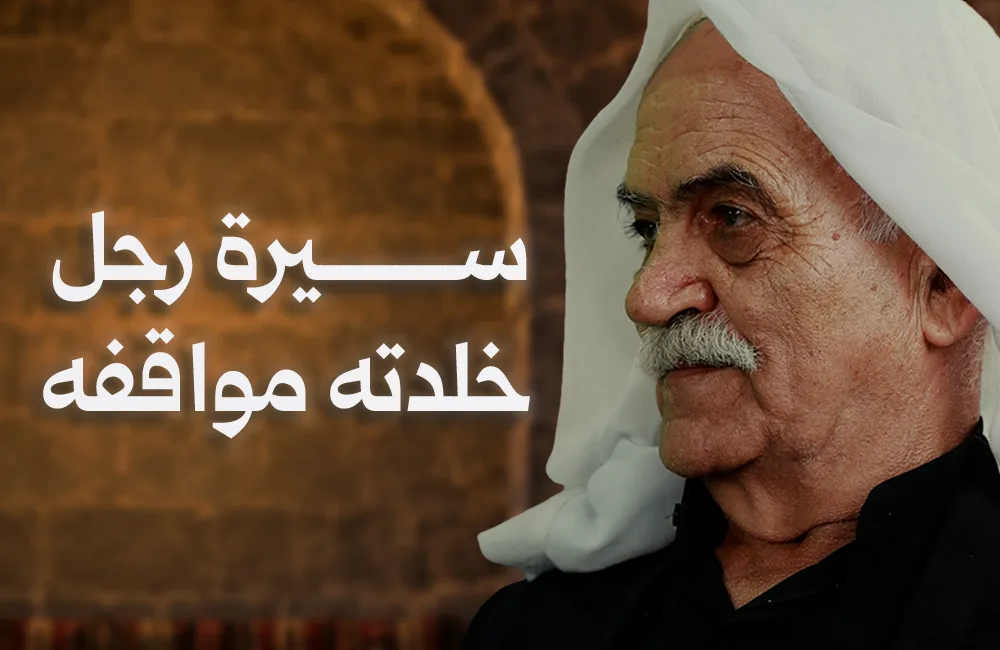
Among the most prominent features the museum offers is the documentation of humanitarian and historical stances, including the story of Adham Khanjar's refuge with Sultan Pasha al-Atrash, and the values of protecting the guest and loyalty it embodied, in addition to a special section for Sultan Pasha al-Atrash that evokes his biography and stances for new generations.
The museum's role is not limited to exhibition, but it also forms an educational and research reference for the foundation's students, as it allows them to connect the information they receive in their curricula with real-life evidence and models. It also includes applied scientific projects in generating energy using water, air, and sun, and artistic works that employ material recycling in creative ways.
As for its artistic distinction, it appears in the handcrafted models, with their costumes, details, and life-size proportions, in an experience that transcends the style of traditional wax museums.
The Al-Irfan Museum is not just a restoration of the past, but a bridge that connects history with the present, and knowledge with experience, planting in generations the respect for diversity and pride in human and national memory.