
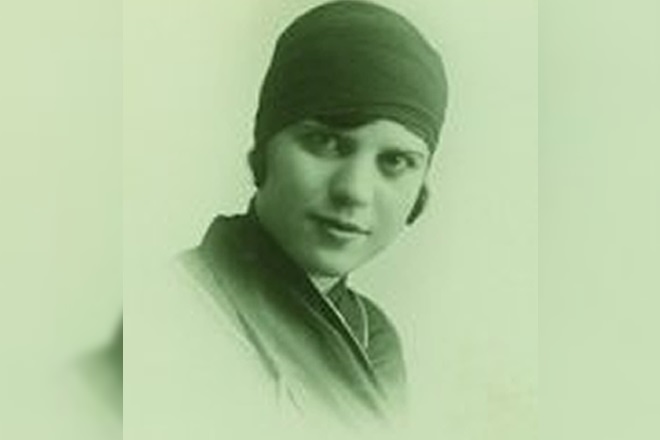
Nazira Zeineddine (1908 – 1976) was a Lebanese writer and politician who practiced journalism and dedicated her pen to defending women. She was nicknamed "Al-Sitt Nazira" and "The Iron Woman" for her defense of women's rights.
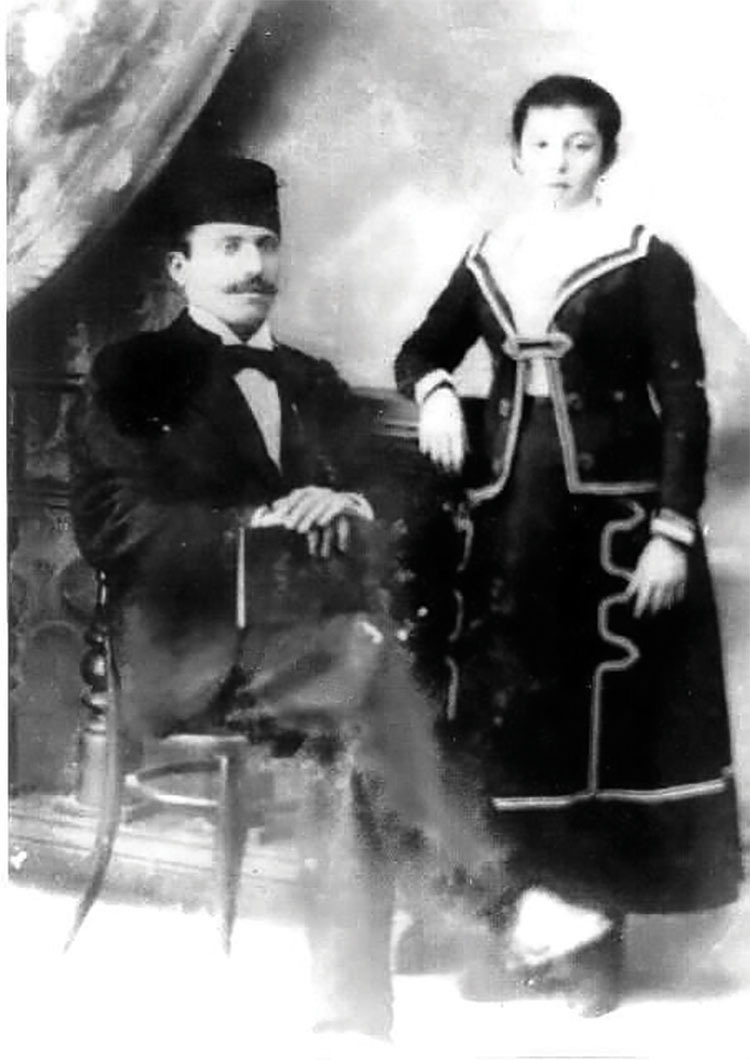
She was born at the beginning of the last century to a judge father, Saeed Zeineddine, a prominent figure in the judiciary known for his enlightened and progressive thought, from the village of Ain Qanya in the Chouf District.
She received her education at the Saint Joseph School, then at the Sisters of Nazareth School where she earned her secondary school certificate in 1926, and joined the American University in 1927.
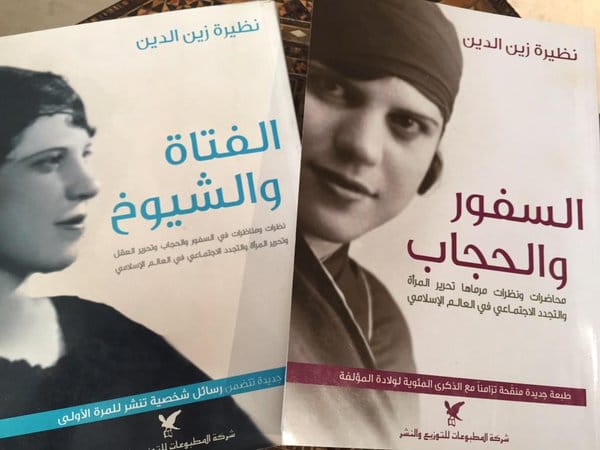
Unveiling and Veiling
She published her first book in 1928, titled (Unveiling and Veiling), in which she addressed the issue of the hijab—a problematic issue, both then and to this day, with its social, political, and religious dimensions. In it, Nazira Zeineddine tackled this issue—the veil—using rational evidence.
She published her second book titled (The Girl and the Sheiks) in 1929, in which she addressed responses to the sheikhs, especially after some of them questioned whether she was the actual author of the book.
In her second book, she also relied on logic, argument, proof, and evidence in her rebuttals, and the oppositions and responses remained within the bounds of debate. However, she retreated from writing in a patriarchal, masculine society that fiercely attacked her and did not hesitate to declare her an apostate.
She worked in education, married Judge Shafiq Al-Halabi, and gave birth to three sons. She passed away in 1976.
Rehabilitation
It is worth noting that writer Nazira Zeineddine was rehabilitated after seventy years of marginalization and oblivion, as her two books, considered seminal manuscripts in a modernist, enlightened project, were reprinted.
Recently, a book titled (Nazira Zeineddine: Pioneer of Islamic Feminism) was published in English by American author Miriam Cooke, in which the author considers that Nazira Zeineddine was calling for a moderate, enlightened Islam far removed from fatwas of killing, bloodshed, takfir, and violence. She emphasizes that both the books and their author deserve recognition and illumination as a significant enlightened project of ijtihad.