
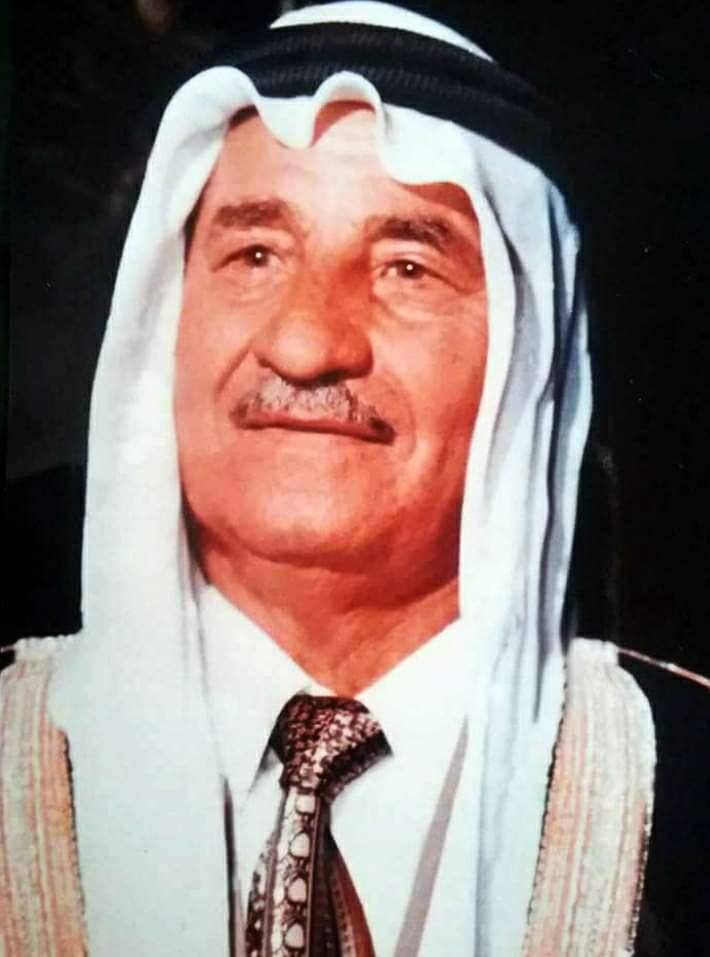
Modern memory and the chronicles of heroes—specifically the day of September 27, 1964—preserve a historic moment for the Jabal al-Arab revolutionary, Nawaf Ghazaleh, when he decided to avenge the dignity of the Druze monotheists and the people of the Mountain from the Damascus tyrant, former President of the Syrian Arab Republic Adib Shishakli, who usurped power through a military coup and a malicious conspiracy that toppled Syrian President Sami al-Hinnawi. Nawaf Ghazaleh felt compelled to keep the promise he made to himself to track him down and kill him in retaliation for his criminal practices and the massacres he committed against the elders, children, women, and Druze families in several villages of Jabal al-Arab after he assumed power. He achieved his goal, fulfilling the promise and oath to the cause for which he fought. He planned that heroic operation after traveling to Brazil, the place where Shishakli had taken refuge out of fear of his ominous fate and inevitable death, only for the specter of death to chase him to those lands to be killed there.
Hassan Suleiman Ghazali says: “Nawaf went to the farm where Adib Shishakli lived and asked him: If a presidential pardon were issued, would you return to Syria? To which he replied: Of course. Nawaf Ghazaleh then addressed him saying: My family are martyrs and you will not be able to return while I am still alive. He then fired five bullets from his pistol, shouting: These bullets are from Sultan Pasha al-Atrash. It was enough to keep the promise and serve as the inevitable end for every tyrant and oppressor.
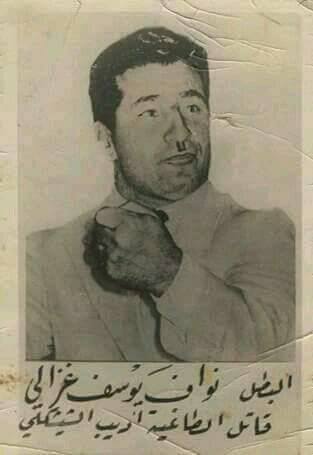
There is another version narrated and circulated by some people in As-Suwayda regarding the place of Shishakli’s killing! They recount that “Nawaf’s mother and sister were killed in the campaign launched by Shishakli on the Mountain of the Monotheists, so Nawaf swore to take revenge. Colonel Salim Hatoum gave him the green light for that. He followed Shishakli to Argentina, not Brazil, and entered his house, killing him in his bedroom where he was standing.” He said to him his famous words in the Mountain: “Turn your face, Adib; we are not used to killing people in their backs like others.” When he turned his face, he said to him: “I am Nawaf Ghazali from As-Suwayda, and I have come to avenge my family whom you killed,” before emptying his bullets into Shishakli’s chest.
However, the first version remains more widely circulated and closer to the truth, because the Brazilian authorities had detained his relatives until he surrendered himself 18 days after killing Shishakli, at which point 20 lawyers volunteered to defend Nawaf Ghazaleh.
Son of the town of Malah
The revolutionary Nawaf Ghazali was born in 1927 in the village of “Malah al-Sarrar,” 42 km from As-Suwayda. He worked in agriculture for a period, then traveled to Brazil and settled in its capital, Brasilia, in the mid-fifties, where he worked in trade.
Nawaf Ghazaleh was the son of an ancient family that played a prominent role in the Great Syrian Revolt, especially in the Battle of al-Kafr, and his ancestors were the standard-bearers of Malah, the mother of martyrs and the mountain of martyrs.
Shishakli’s practices
Shishakli had learned that weapons were being gathered in Jabal al-Arab via Jordan and Iraq in preparation for a coup against him, orchestrated by the People's Party and the Al-Atrash family in coordination with the Hashemites. Things even reached the point where he decided to arrest the leader of the Great Syrian Revolt, Sultan Pasha al-Atrash, declaring war on the Druze monotheists in the Mountain. He entered the city of As-Suwayda on January 31, 1954, with tanks, artillery, and aircraft, committing horrific massacres, imposing a military siege, dissolving the Parliament, and began oppressing the Syrian people—especially the Druze—and forging telegrams of support for him and his rule. Free Syrians began distributing leaflets against his rule and tyranny, leading to the arrest of thousands, including those who were studying at universities, such as the activists Mansour and Nasser al-Atrash, Shibli al-Aisami, Sayyah al-Maghush, and Said and Saleh Abu Hassan, among others, who assumed high positions after the fall of the tyrant during the era of the Union and the March 1963 Revolution. When their imprisonment ended, he asked the General Commander of the Great Syrian Revolt, Sultan Pasha al-Atrash, to cooperate with him, but he refused and said to him: Do not try to please me by releasing my children from prison while you imprison the entire Syrian people.
At this point, the tyrant Shishakli returned to Damascus and ordered the arrest of the people of As-Suwayda Governorate in Damascus and its countryside. He began addressing the Syrian Army, telling them that the Druze wanted to establish an independent state, and ordered the army to shell residential neighborhoods and kill people without cause. Hundreds of the Mountain’s heroes and free spirits were martyred, including schoolchildren, women, and the elderly. He wanted to arrest the leader Sultan Pasha al-Atrash, but the free people of the Arab Mountain captured the battalion that intended to carry out this shameful act and disarmed them. Sultan Pasha al-Atrash addressed them, saying: You are our children, and our people liberated the country from colonialism to build our great army. He returned their weapons and went to Jordan to avoid bloodshed. Shishakli did not stop at this shameful act; he took weapons that the army had seized in battles against the Zionist enemy from weapons depots and began saying that these were Israeli weapons that we took from Druze homes, to insult the dignity of the heroic Bani Ma'ruf. He added that the Druze wanted to establish their own state to separate from Syria.
The Departure of Shishakli
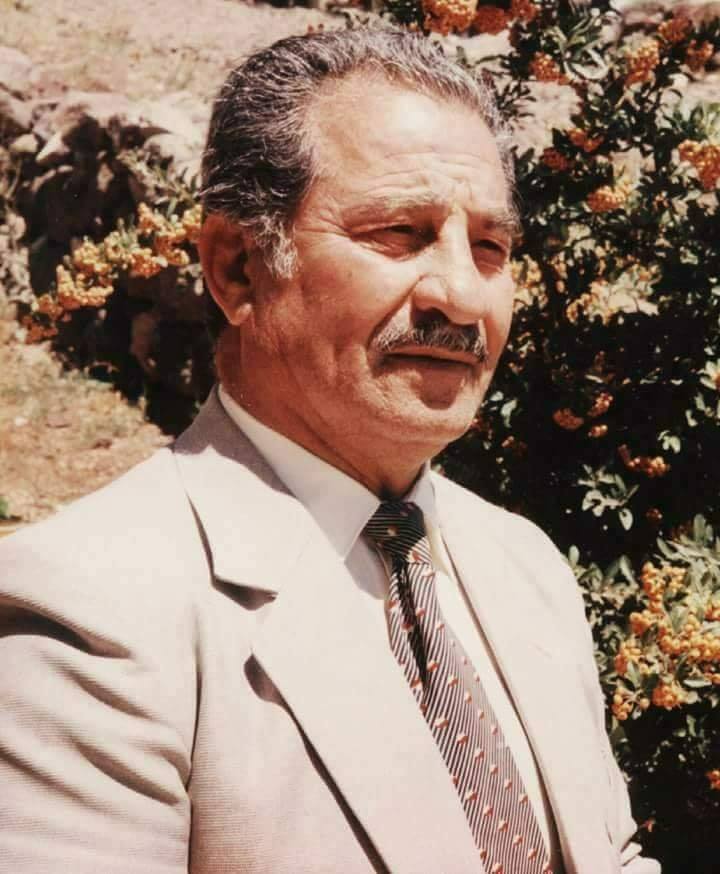
Demonstrations spread across many Syrian cities, and Shishakli was unable to control the situation, so he asked the Lebanese government to grant him political asylum. He arrived there on February 25, 1954, submitting his resignation to Chief of Staff Shawkat Shuqair, then departed for Saudi Arabia and later to France.
Shukri al-Quwatli then assumed power in Syria, and Shishakli was tried in absentia for treason. He left for Brazil in 1960 and resided on a farm there until the hero Nawaf Ghazali was able to kill him, avenging the Druze monotheists and other people of that region.
On 20/11/2005, Nawaf Ghazaleh passed away at the age of eighty. His body was repatriated from Brazil to be buried in his hometown (Malah al-Sarrar) after he had avenged the people of As-Suwayda more than 50 years earlier. Tens of thousands of Druze monotheists received his body like heroes, and a massive public funeral was held for him.