

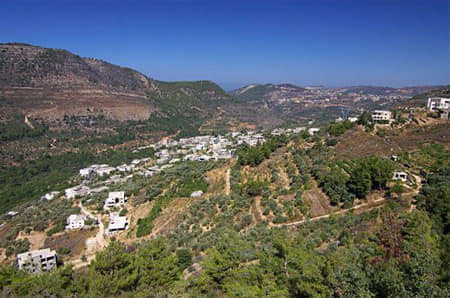
The Lebanese town of Jahliyeh combines natural beauty and history, attracting thousands of visitors annually who come to enjoy its breathtaking nature and ancient archaeological sites, complemented by the warmth of its residents who played a patriotic role against the French occupation.
Jahliyeh belongs to the historic Chouf District in Mount Lebanon, approximately 38 km from Beirut. It is distinguished by numerous rivers and freshwater ponds, visited annually by thousands of families and young people for hiking trips and picnics amidst nature, serving as a sanctuary for anyone seeking comfort and tranquility away from the city's noise.
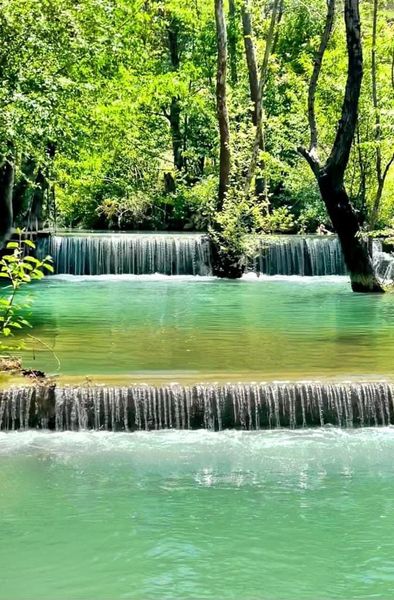
The Jahliyeh River is considered one of the prominent landmarks on the tourist map of Lebanon; it is a natural, sandy-free rocky river extending for a distance of 3 km, lined with cafes and parks that have become the preferred destination for domestic tourism in Lebanon.
The archaeological remnants in Jahliyeh are few, but they are rich and of significant value. Among the most notable archaeological landmarks are heritage houses exceeding 200 years of age, characterized by arches and ancient stones.
As for the Jahliyeh Bridge, which is considered one of the most prominent and oldest landmarks, it dates back to the Ottoman-Mamluk era.
One can also find the ancient Jahliyeh mill and olive press, which were among the most essential facilities in the town for pressing grapes and grinding grains and wheat.
Among the town's most prominent historical landmarks is an arched bridge known as the Roman Bridge or the Ain Al-Dayaa Bridge. Although its construction date remains unknown, it historically served as the crossing bridge between the Chouf and the Lebanese coast, especially Sidon, and was the main corridor for the town's farmers to access their lands.
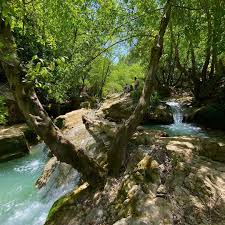
None of its residents know why it was named "Jahliyeh"; however, other historical sources suggest that the town's name originates from the word *al-majahil*, which means caves and caverns. This applies fittingly to Jahliyeh, as it contains numerous caves and caverns located near its abundant rivers and springs.
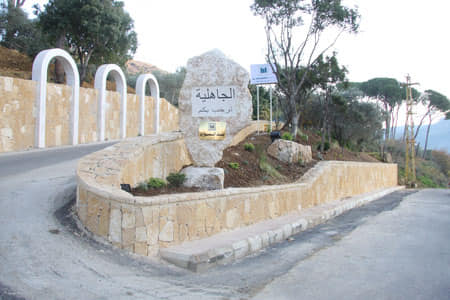
Throughout history, Jahliyeh has recorded remarkable patriotic stances and confrontations against the French occupation. Some of the village's men took part in the Great Syrian Revolt of 1925 when its spark was ignited in Jabal al-Arab in Syria against the French Mandate, and they also participated in the 1936 uprising in Palestine and other revolts to confront the British Mandate and Zionist gangs at that time.