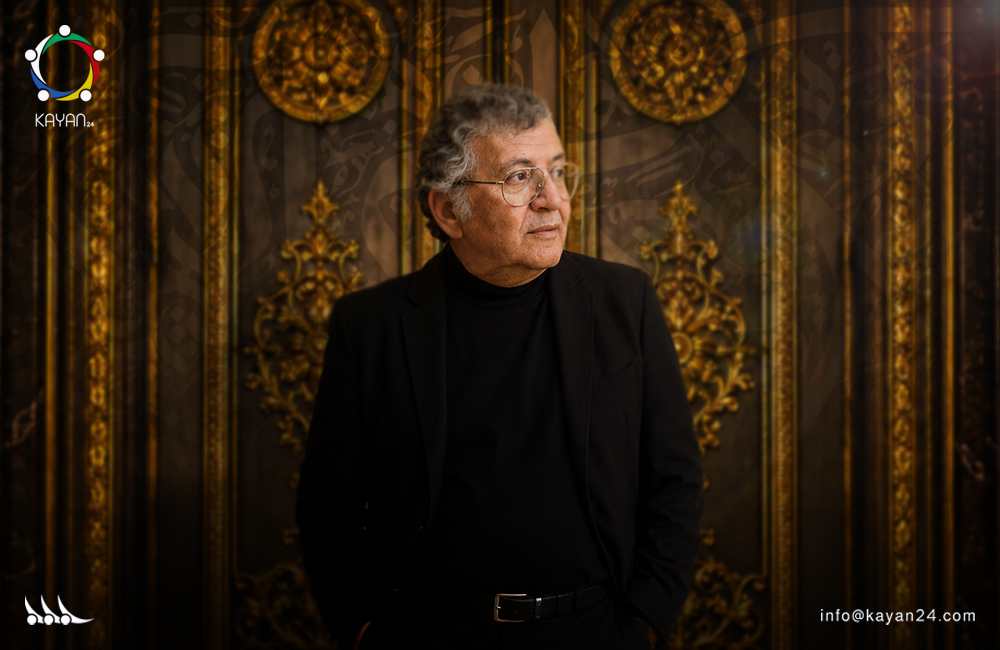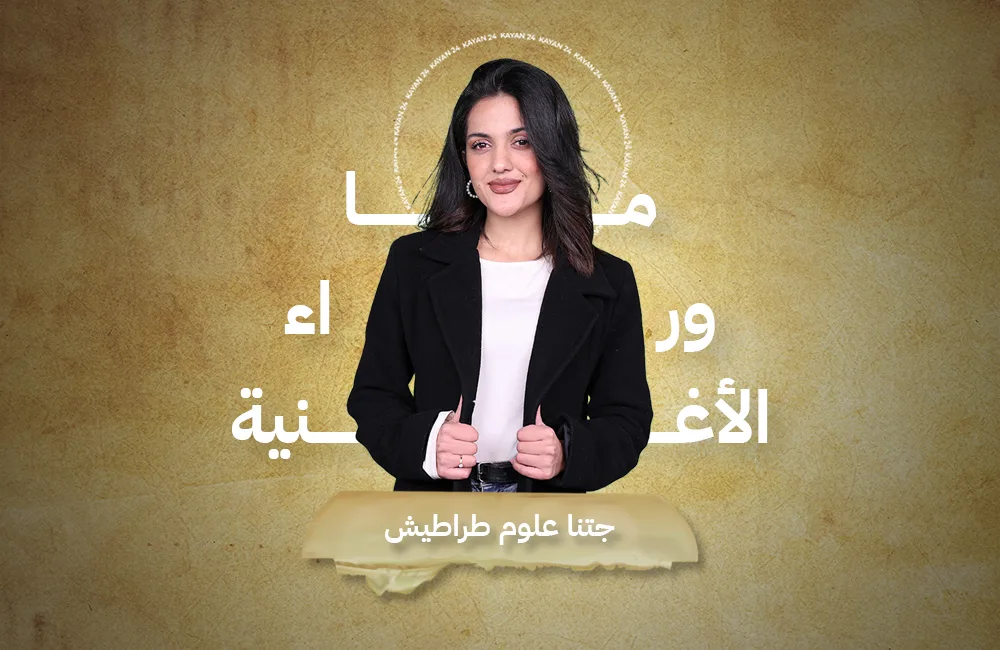


What remains of a community's identity when geography changes, politics shift, and generations redefine their relationship with their history? A question that leads a dialogue with Dr. Ashraf Al-Amatouri in a reading where historical memory intersects with the questions of the present and the anxieties of the future.
Al-Amatouri examines the history of the Unitarian Druze and their experience, and what this history can offer to understand their reality today, pausing to reflect on Suwayda and its position in the Syrian and regional landscape. He also discusses the reality of historical components in the region and the limits of protecting identity and specificity without isolating or turning into separatist projects.
From the role of the international community and policymakers to the responsibility of the region's inhabitants, the dialogue moves to the question of the new generations: How do we preserve language, culture, and memory in light of alienation and rapid transformations? And can art and heritage be a means to protect identity? These questions open the door to a broader issue: What is worth keeping, and what is the time to change?