
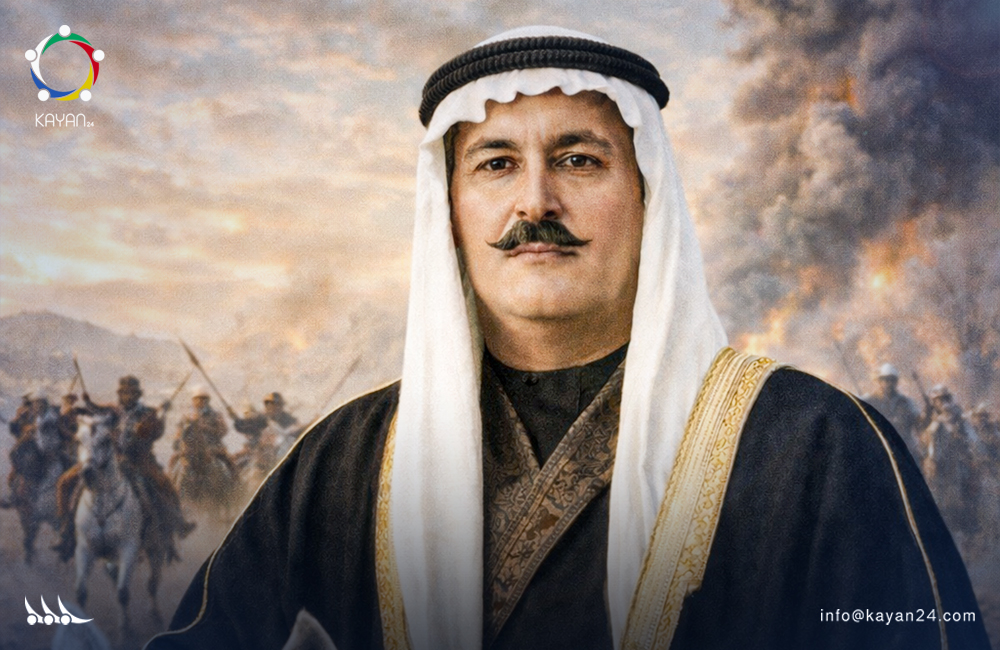
Between the neighing of horses on the battlefields and the sweetness of the rhymes that immortalized the glories, the voice of the poet and knight Abu Salam Jadallah Salam echoed. He was born in the village of Tarba, one of the villages of As-Suwayda Governorate, in 1896. He was one of its well-known knights and men who played an active role in the Arab Revolt and the Great Syrian Revolt led by Sultan Pasha al-Atrash. People relied on him as a tribal judge to settle their disputes and resolve their problems..
Our poet chronicled important events in the history of the Mountain, including the events of the Great Syrian Revolt, in most of whose battles he participated, such as (Al-Mazra'a, Al-Musayfirah, the battles of Al-Ghouta, and others).
In his poems, the late poet depicted a bright phase of the struggle of our proud Arab people, as he also depicted the internal events that affected him since 1917, creating a melancholic literary image that imbued his poems with sincere feelings and noble sensations, as befits a valiant knight.
In his poetry, he addressed subjects well-known in folk poetry, such as praise and pride. He excelled in elegy and sang in his poems of authentic Arab values, including courage, generosity, boldness, chivalry, aiding the distressed, and protecting the weak.
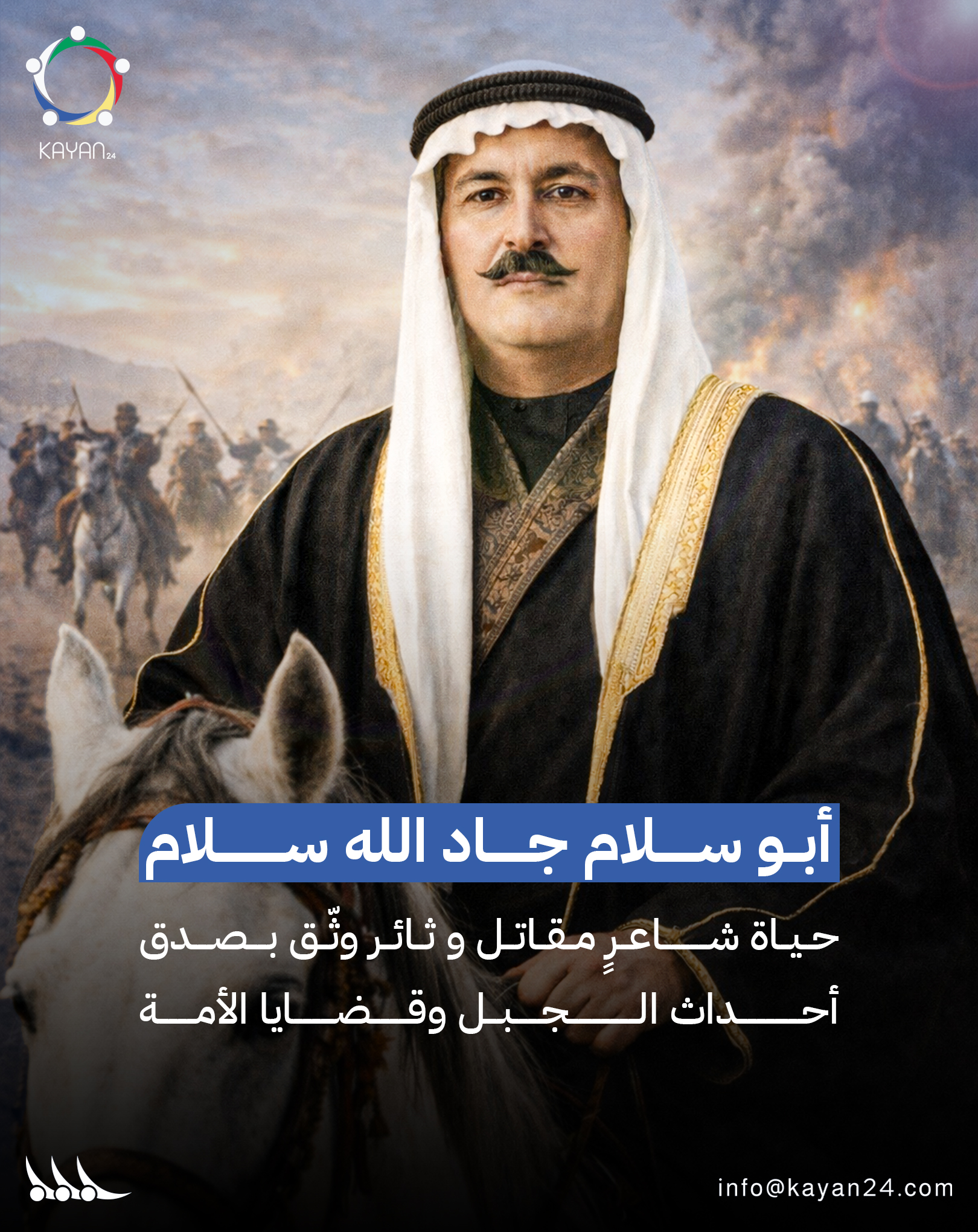
He also discussed political matters, such as the Second World War, with his friends and contemporary folk poets. He was with the exiled Mujahideen from the people of Jabal al-Arab during the days of the revolution against the French occupation (during their time in Saudi territory in the early 1930s).
He shared with them the concerns of the 1967 setback, and he was pained by the state of the Arabs at that time, but his hope for imminent victory was always manifested in his poetry, which addressed national and pan-Arab issues.
He passed away in his village (Tarba) on 2/22/1982. Thus, his journey was a complete epic that combined the chivalry of the battlefield, the wisdom of the judiciary, and the eloquence of poetry.